If you listed the metals defining the 21st century, tin might not make the top five. Yet, this ancient metal serves as a primary physical enabler for our most complex engineering challenges: AI hardware, advanced batteries, and nuclear fusion.
While lithium, cobalt, and copper often dominate discussions about future-critical resources, zinc plays an equally vital, though often overlooked, role.
Lead often lacks the futuristic allure of lithium or copper, but without it, the modern world would quite literally blink out.
Sweden has been a mining superpower for over a millennium, fueling everything from Viking expansion to the Great Power era.
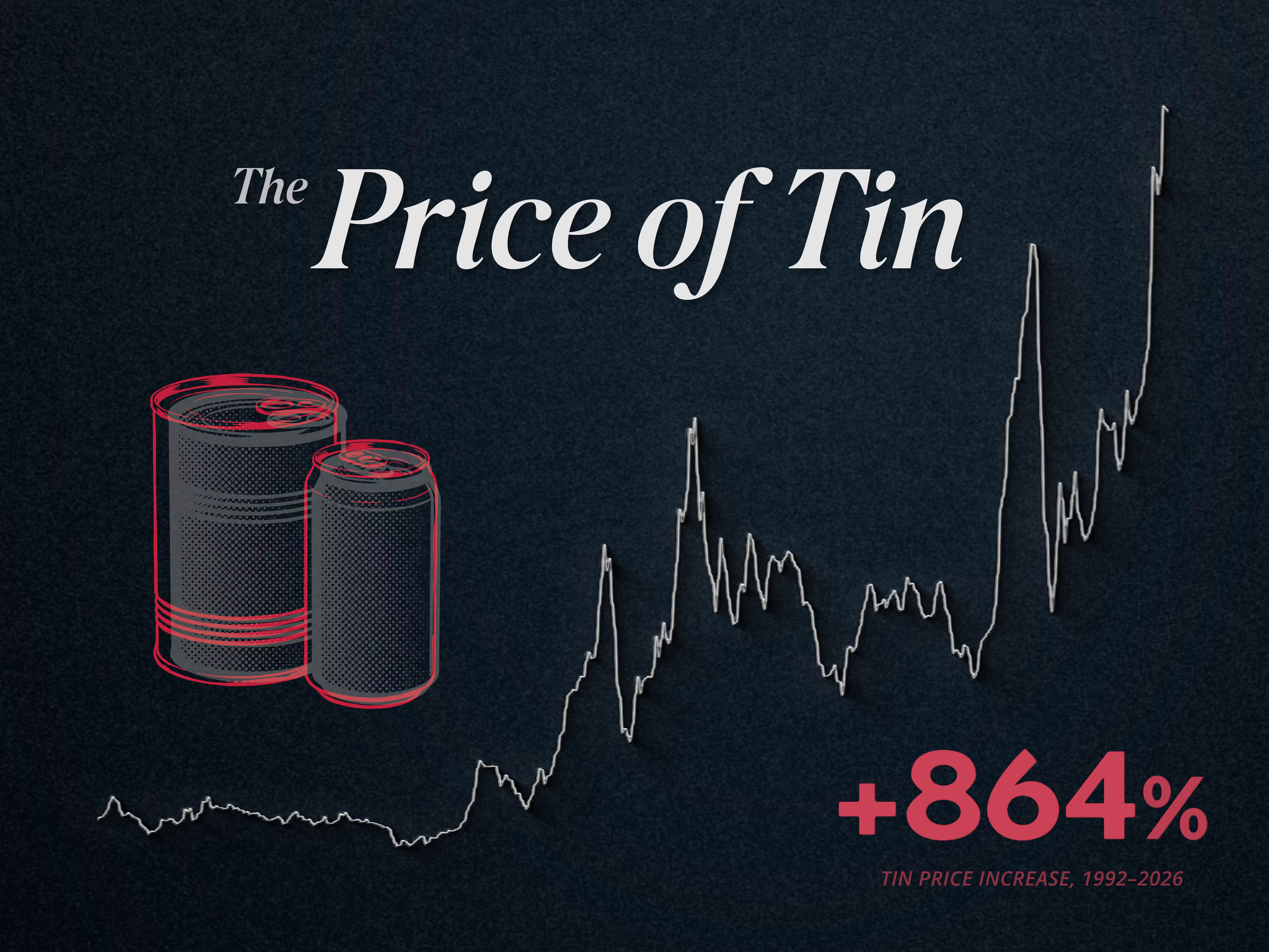
The 65-year price history of tin is a clear illustration of its dramatic evolution, from a price-fixed industrial commodity to a critical, strategic component.
For most people, tin is synonymous with the humble "tin can." But as our 2023 usage breakdown shows, this often-invisible metal is one of the most critical components of our digital lives.
Long associated with humble cans, tin is quietly becoming one of the most critical technology metals of our time.
Zinc is the unsung hero of modern industry—a critical metal that protects steel from rust, powers batteries, and supports human health.
As the world accelerates towards an electric future, lithium has been crowned the king of the battery boom.
Iron ore is the bedrock of global industry, forming the steel that builds our world. As our infographic above highlights, a select few colossal mines, predominantly in Australia and Brazil, lead this crucial production.
While previous discussions have highlighted tin's surging price and evolving demand drivers, a critical part of the story lies on the horizon: a looming structural deficit in supply.