Commodities
July 10, 2025
2 min
Commodities
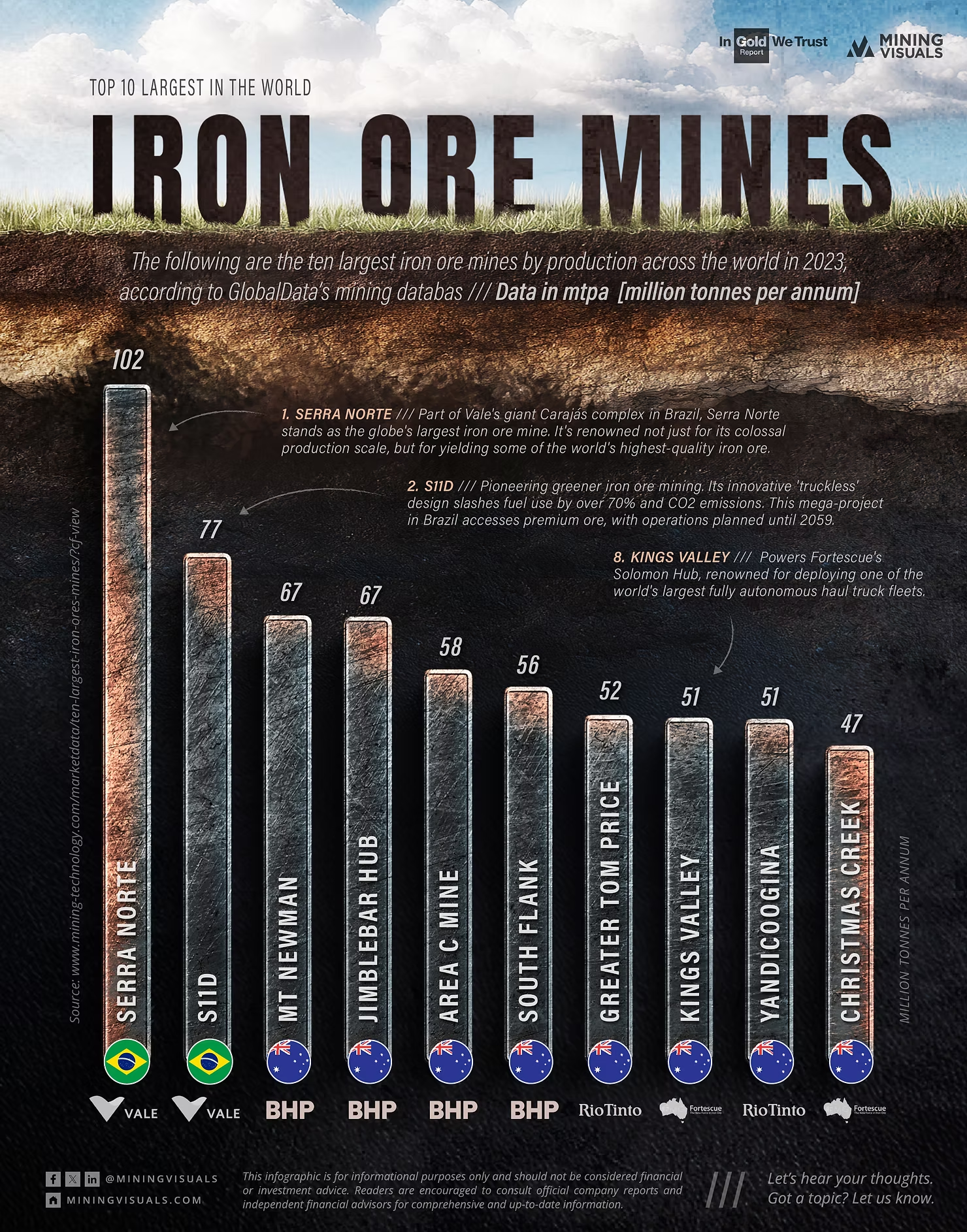

Iron ore is the bedrock of global industry, forming the steel that builds our world. As our infographic above highlights, a select few colossal mines, predominantly in Australia and Brazil, lead this crucial production. This article digs into what makes these operations—run by industry giants Vale, BHP, Rio Tinto, and Fortescue—so significant.
The Heavyweights: Where Scale Meets Innovation
The world's iron ore output is dominated by a handful of remarkable sites, each a testament to modern engineering and logistical prowess:
- Vale's Carajás Powerhouses (Brazil): Topping the list, the Serra Norte Mining Complex (102 mtpa) is renowned not just for its immense scale but also for its high-grade ore. Nearby, S11D (77 mtpa) is a game-changer, pioneering a 'truckless' mining system that dramatically cuts fuel consumption and CO2 emissions, with operations planned until 2059.
- Australia's Pilbara Giants: This region is home to several top producers. BHP's operations like Mt Newman (67 mtpa) and Jimblebar Hub (67 mtpa) are cornerstones of global supply. Fortescue's Kings Valley (51 mtpa) at its Solomon Hub stands out for deploying one of the world's largest fully autonomous haul truck fleets, boosting both efficiency and safety. Rio Tinto also maintains a strong presence with historically significant mines.
Driving Global Development & a Greener Future
These mines are not just about raw tonnage; they represent a broader industry trend towards smarter, more sustainable, and technologically advanced operations. The innovations seen at S11D and Kings Valley, for example, point towards a future where efficiency and environmental responsibility are paramount.
The iron ore extracted from these leading mines is the foundational material for roughly 98% of global steel. This steel is indispensable, fueling:
- Construction of our cities and infrastructure.
- Manufacturing of vehicles and machinery.
- Development of renewable energy projects like wind turbines.
The Enduring Importance of Iron Ore Leaders
In essence, the world's largest iron ore mines are far more than just sources of raw material. They are critical economic engines, complex logistical operations, and increasingly, showcases for the future of mining. As global development continues, the output and innovation from these titans will remain vital to shaping our worl
Sources: The primary production data for the world's largest iron ore mines in 2023, as featured in our accompanying infographic and discussed throughout this article, is sourced from GlobalData's mining database, referenced via Mining Technology (https://www.mining-technology.com/marketdata/ten-largest-iron-ores-mines/). Specific operational details and innovations mentioned (such as for Vale's S11D or Fortescue's Kings Valley) are also informed by information from this source and publicly available reports from the respective mining companies. General statements regarding the importance of iron ore and steel are based on widely accepted industry knowledge.


Explore More
View All

Behind Tin's 2026 Record High
Behind Tin's 2026 Record High
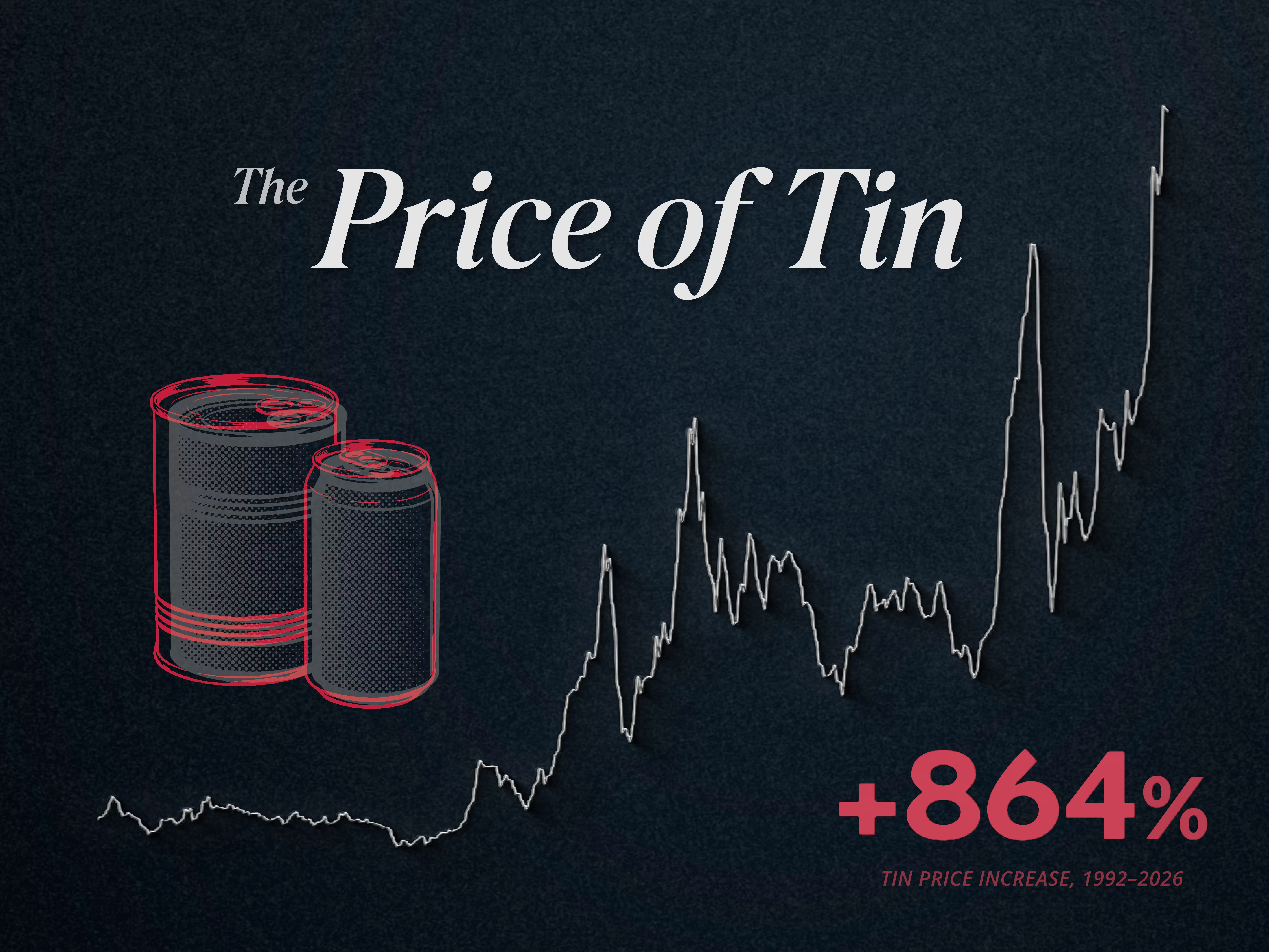
In January 2026, the London Metal Exchange three-month tin contract closed at US$53,462 a tonne, a nominal all-time high that surpassed the March 2022 peak, and it has traded near those levels since. The puzzle is that there is no shortage of tin today: exchange inventories actually rose as the price climbed, rather than being drawn down. Two very different things are holding the price up. The first is short-term: a wave of investor buying, which the industry says drove the January jump. The second is long-term: on current forecasts, the world will not mine enough tin to meet demand later this decade, a gap already projected before the rally began and expected to persist after it fades. The lasting story is that forecast shortfall, not the spike.
The Age of Giants: How Mining Shovels Grew, Peaked, and Deliberately Shrank
The Age of Giants: How Mining Shovels Grew, Peaked, and Deliberately Shrank
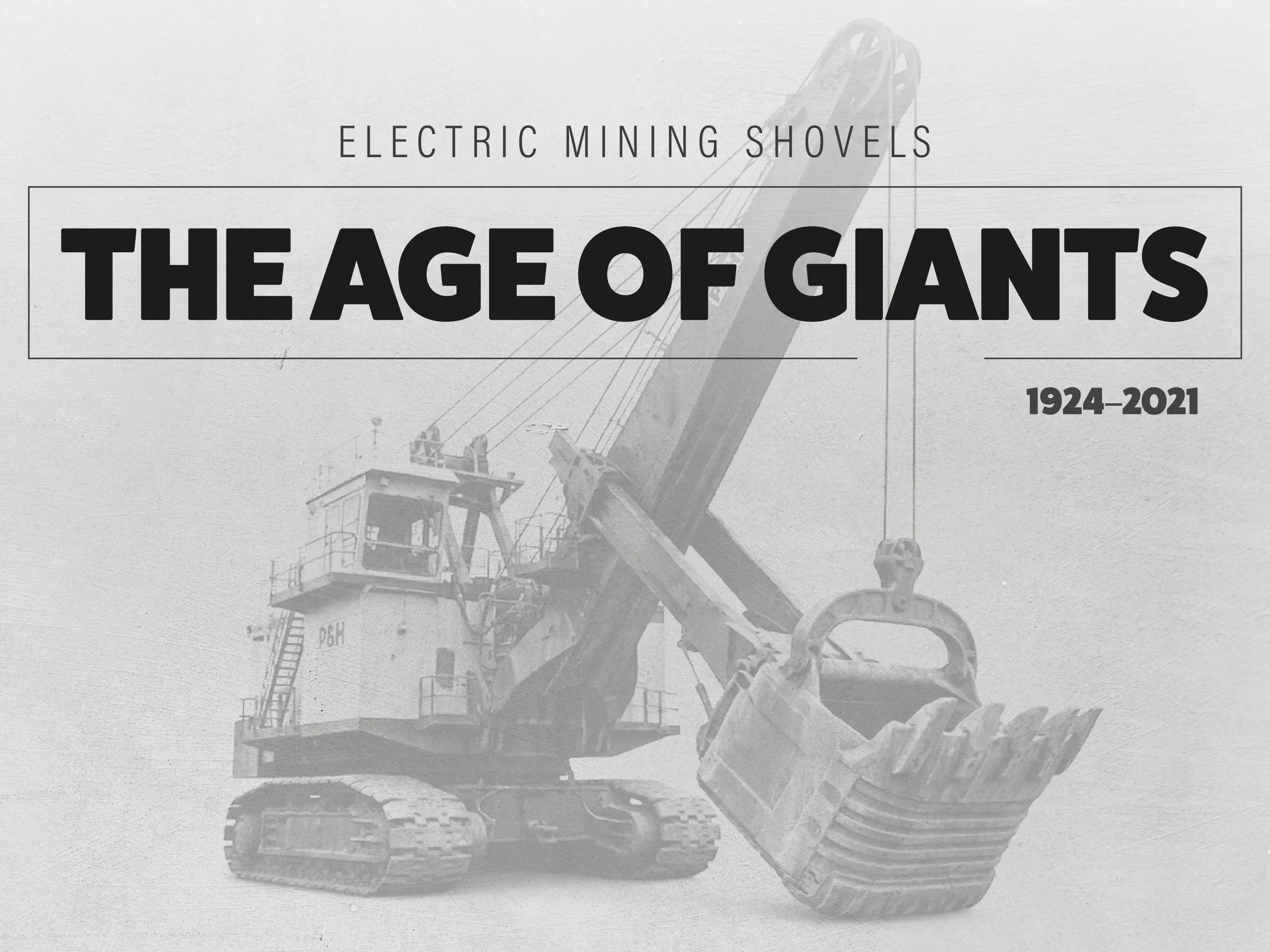
For four decades, the American coalfields hosted an engineering arms race measured in cubic metres of bucket. It ended not with a bigger machine, but with a deliberate retreat. The single largest mobile land machine ever built, the Marion 6360 "Captain," was commissioned in 1965 and destroyed by fire in 1991. No shovel has approached its scale since, and the machines that replaced it were smaller by design.
Where Indium Goes: The Metal Behind Screens, Chips, and Solar
Where Indium Goes: The Metal Behind Screens, Chips, and Solar
Indium is one of the metals you never see but use constantly. As indium tin oxide, it forms the transparent conductive coating on nearly every LCD and touchscreen, and that single application still accounts for most global consumption, according to the USGS. But the metal's role is broadening. Its compounds now sit inside the high-speed optical chips that route data through AI data centers, a shift that has turned a quiet, display-driven material into one buyers watch closely, especially as China refines about 70% of it and has begun tightening the flow.
Rare Earths and the F-35: The Defense Supply-Chain Bottleneck Behind America's Most Advanced Fighter Jet
Rare Earths and the F-35: The Defense Supply-Chain Bottleneck Behind America's Most Advanced Fighter Jet
In September 2022, the Pentagon quietly stopped taking delivery of new F-35 fighter jets. The reason was not a design flaw or a manufacturing defect. A single small magnet inside the plane's engine had been made using an alloy from China, which is banned under U.S. defense procurement law.