Commodities
Behind Tin's 2026 Record High
Tin hit an all-time high in January, driven by a wave of investor buying, especially from China
The following content is sponsored by Eloro Resources


The Gap Ahead: The ITA counts only around 11 new tin projects likely by 2030, far short of what future demand needs.
Demand Growth Doubling: The ITA expects tin-use growth to roughly double, from its historical 1-2% a year to 3-4%.
A Record, Not a Squeeze: The ITA said the January record was driven mainly by investor activity, with no physical shortage at the time.
In January 2026, the London Metal Exchange three-month tin contract closed at US$53,462 a tonne, a nominal all-time high that surpassed the March 2022 peak, and it has traded near those levels since. The puzzle is that there is no shortage of tin today: exchange inventories actually rose as the price climbed, rather than being drawn down. Two very different things are holding the price up. The first is short-term: a wave of investor buying, which the industry says drove the January jump. The second is long-term: on current forecasts, the world will not mine enough tin to meet demand later this decade, a gap already projected before the rally began and expected to persist after it fades. The lasting story is that forecast shortfall, not the spike.
The record was not set because tin ran out. It was set against a market that is adequately supplied today but is projected to tighten as the decade goes on. Global refined tin production fell 2.1% in 2023 to 370,100 tonnes, and the pipeline that would lift it is thin: the ITA counts only around 11 new projects likely to be commissioned by 2030. Against that, the ITA expects tin-use growth to roughly double, from its historical 1-2% a year to 3-4%, driven by electronics, solar ribbon and EVs. That is why analysts forecast the market moving into deficit later this decade, a structural gap that a single year's price swing neither creates nor cures.
The spike that took tin to its January record was led by investors, and the industry said so at the time. The ITA noted the supply disruptions affecting Myanmar and DR Congo were largely unchanged from three months earlier; what had changed was investor activity, particularly in China. The scale of that activity was hard to miss: on one day in early January, tin trading on the Shanghai Futures Exchange topped one million tonnes, more than double the entire world's annual physical use of the metal. Crucially, this was not a market out of metal, exchange inventories actually rose over the period. That positioning has not fully faded, which is part of why the price remains elevated, but it sits alongside a second, slower force that does not depend on trading flows at all.
The tightness the forecasts point to is rooted in geography as much as geology. Global mine supply is heavily concentrated: China accounts for around 24% of mined tin and roughly half of refined output, with Indonesia supplying about a fifth of mine production and Myanmar, Peru and the DRC most of the rest. That concentration is why single events move the whole market so quickly: the 2023 Wa State shutdown in Myanmar starved Chinese smelters of feedstock, and Indonesia's permit-driven export halts repeatedly removed meaningful tonnage. With investor positioning still elevated, CRU expects further disruption to Indonesian exports from permit renewals in the second quarter, a reminder that the supply base stays exposed regardless of where the price sits.
Separating today from the forecast is the point. The January record was a short-term, investor-led move set against a market that had enough metal, and it should not be mistaken for the fundamental picture. That picture, demand growth the ITA expects to double while the project pipeline stays thin, is the durable one, and it is why the ITA frames the decade ahead as a call for investment in new supply. On the demand-security side, CRU reports the Trump administration launched a critical minerals stockpile in early 2026, as the world's second-largest tin consumer moves to secure supply. Those are the developments that outlast a price spike.

Eloro Resources Ltd. is a mineral exploration company advancing a world-class silver and tin project in Bolivia’s historic Potosí Department. Its flagship asset, the Iska Iska Project, ranks among the top five undeveloped global resources in terms of scale for both tin and silver.
This significant grassroots discovery remains open in multiple directions, offering substantial potential for continued expansion and resource enhancement. Iska Iska benefits from strong infrastructure access and a deeply rooted presence in Bolivia, supported by an experienced management team and meaningful community engagement.
Eloro’s strategy is focused on resource growth, strategic partnerships, and establishing a leading position within the global mining sector.
Learn more about Eloro Resources at: http://elororesources.com/
MiningVisuals Disclaimer: This article is for informational purposes only and does not constitute financial or investment advice. Always conduct your own research.
Sources: International Tin Association; CRU via Steel Market Update; The Oregon Group (ITA and Bank of America demand forecasts); IMF Global Price of Tin via FRED.


In April 2025, on Tesla’s Q1 earnings call, Elon Musk told investors that Optimus, the company’s humanoid robot, had been held up by a problem few outside the rare earth industry had been watching. “Optimus was affected,” he said, “by the magnet issue from China because the Optimus actuators in the arm do use permanent magnets” (Adamas Intelligence).

You are probably within a few feet of some lead right now. It sits in the starter battery of nearly every car, electric models included, in the backup power rooms of hospitals and data centres, and behind the walls of every X-ray suite. It is also the most recycled product in the United States, recovered mostly from spent batteries. So it came as a surprise to many when Washington added lead to its Final 2025 List of Critical Minerals in November, a label usually reserved for metals in short supply. Lead is not in short supply
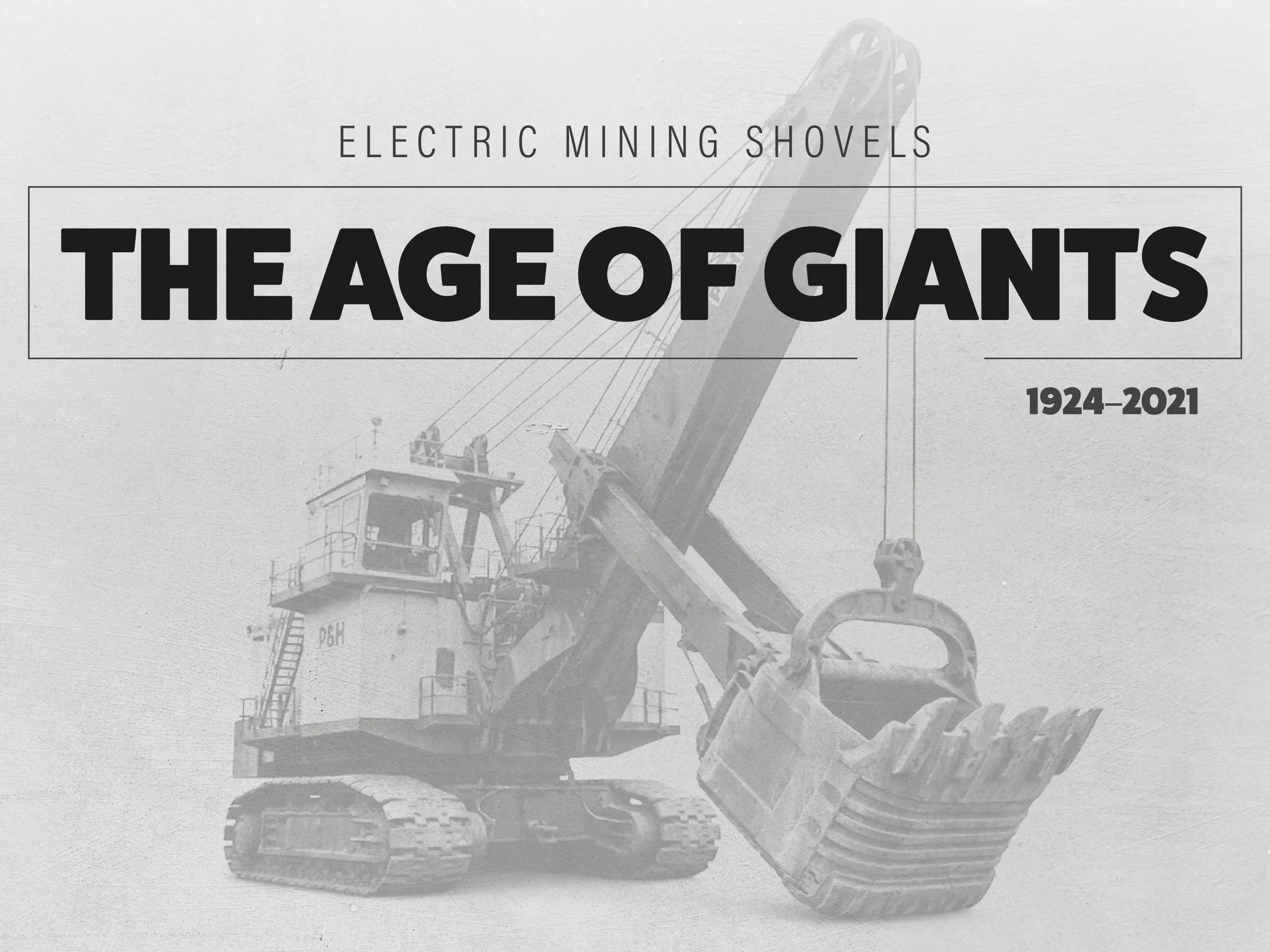
For four decades, the American coalfields hosted an engineering arms race measured in cubic metres of bucket. It ended not with a bigger machine, but with a deliberate retreat. The single largest mobile land machine ever built, the Marion 6360 "Captain," was commissioned in 1965 and destroyed by fire in 1991. No shovel has approached its scale since, and the machines that replaced it were smaller by design.
Indium is one of the metals you never see but use constantly. As indium tin oxide, it forms the transparent conductive coating on nearly every LCD and touchscreen, and that single application still accounts for most global consumption, according to the USGS. But the metal's role is broadening. Its compounds now sit inside the high-speed optical chips that route data through AI data centers, a shift that has turned a quiet, display-driven material into one buyers watch closely, especially as China refines about 70% of it and has begun tightening the flow.