Commodities
Apple Outweighs Every Listed Miner on Earth, and It Is Not Even the Biggest Company
ON JUNE 5 THE 317 LISTED MINERS HIT $3.48 TRILLION AND STILL CAME UP $1 TRILLION SHORT OF APPLE.


One consumer-electronics company is now worth more than every publicly traded mining company on Earth combined. The graphic above captures the June 5 snapshot, when the 317 publicly traded miners tracked by CompaniesMarketCap were worth about $3.48 trillion combined and Apple carried a market capitalization near $4.56 trillion, roughly a third more than the entire listed industry that digs up the copper, gold, and iron ore its devices are built from. That gap has since widened. Our recent look at SpaceX approaching the value of the sector set up the contrast. Apple takes it further.
The prior SpaceX piece measured one newcomer against the sector. Apple widens the lens, because the miners are not losing ground to a single outlier but to an entire tier of the market, and Apple is not even the largest member of it. Nvidia is the world's most valuable company and the first ever to reach a $5 trillion market cap, with Alphabet and Microsoft close behind. Any one of the top few technology names now eclipses every listed miner on the planet combined, an industry built over more than a century across hundreds of producers on six continents.
The sector reached this figure during a boom, not a slump. 2026 has been a banner year for the metals that dominate the ranking: gold set repeated records, and by mid-year major brokerages were positioning for a $5,000 print, lifting the gold and royalty names on the list. Copper strength drove the industrials, with BHP rallying to a record high in early June, up 62% over twelve months. The re-rating pushed six miners above $100 billion, a club that once held only BHP and Rio Tinto. Even near a cyclical peak, the sector could not close the distance on one consumer-electronics company.
Market caps are same-day readings, and this one has already shifted. The June 5 graphic captured the sector at $3.48 trillion, but by the second week of July the same CompaniesMarketCap tally had eased to $3.21 trillion across the 317 names, as gold cooled and BHP slipped from its record. Apple held near $4.56 trillion. The gap that stood at roughly a third in early June had widened to more than 40% weeks later, moving in the miners' disfavor even with commodities still historically expensive.
For mining to rival a single top-tier technology name, the arithmetic points to the metal price itself, not valuation multiples. Miners trade on tangible output rather than growth, so their combined worth tracks commodity cycles closely, which is why the gold rally did most of the lifting this year. That leaves the sector hostage to prices analysts now flag as stretched: the same forecasters targeting $5,000 gold warn that 20% to 30% corrections are routine in precious-metal bull markets. If metals hold, the total could climb further. If they mean-revert, the $3.48 trillion June peak may stand for some time, and the distance to Cupertino, let alone Nvidia, will only grow.
MiningVisuals Disclaimer: This article is for informational purposes only and does not constitute financial or investment advice. Always conduct your own research.

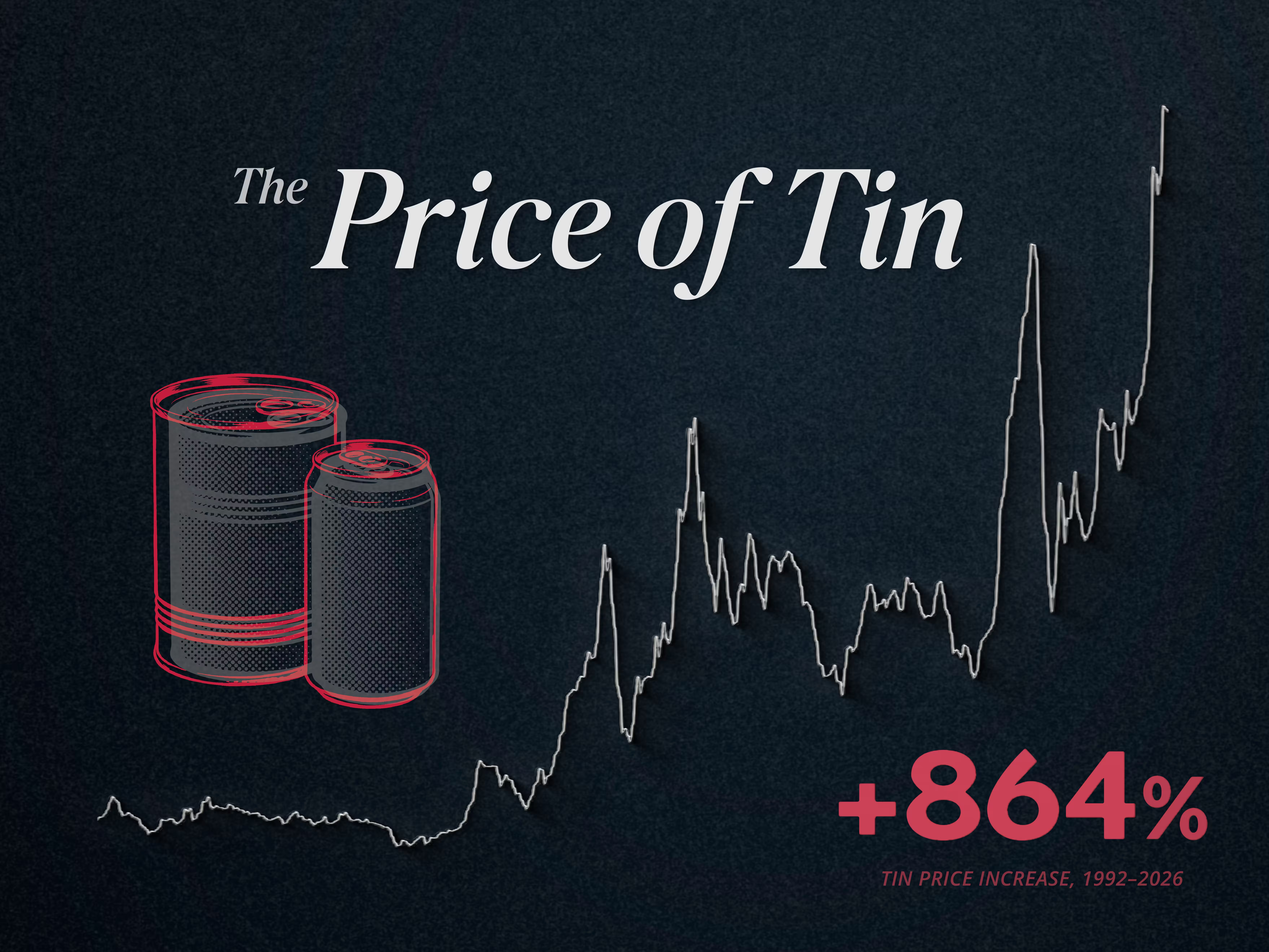
In January 2026, the London Metal Exchange three-month tin contract closed at US$53,462 a tonne, a nominal all-time high that surpassed the March 2022 peak, and it has traded near those levels since. The puzzle is that there is no shortage of tin today: exchange inventories actually rose as the price climbed, rather than being drawn down. Two very different things are holding the price up. The first is short-term: a wave of investor buying, which the industry says drove the January jump. The second is long-term: on current forecasts, the world will not mine enough tin to meet demand later this decade, a gap already projected before the rally began and expected to persist after it fades. The lasting story is that forecast shortfall, not the spike.
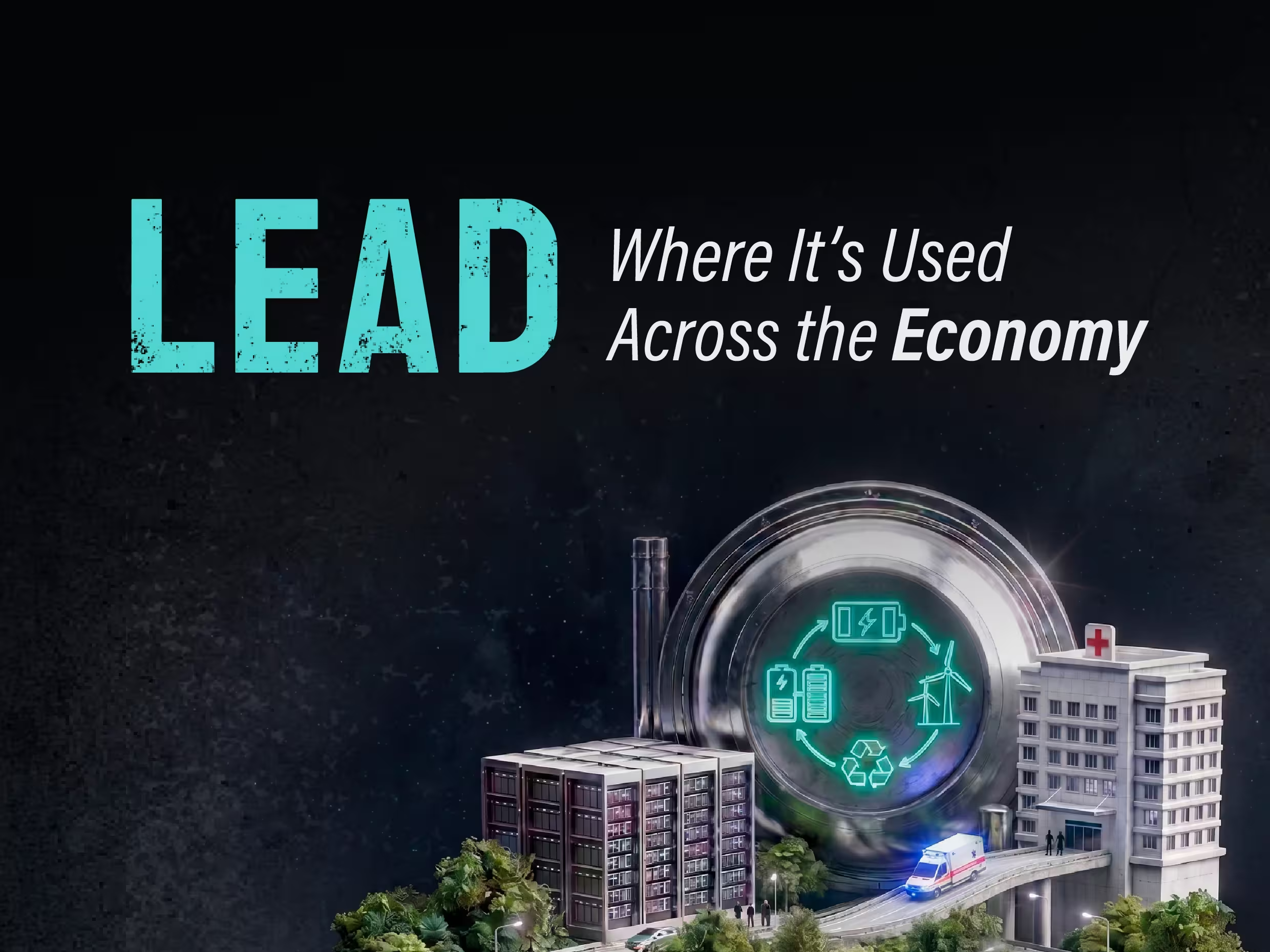
You are probably within a few feet of some lead right now. It sits in the starter battery of nearly every car, electric models included, in the backup power rooms of hospitals and data centres, and behind the walls of every X-ray suite. It is also the most recycled product in the United States, recovered mostly from spent batteries. So it came as a surprise to many when Washington added lead to its Final 2025 List of Critical Minerals in November, a label usually reserved for metals in short supply. Lead is not in short supply
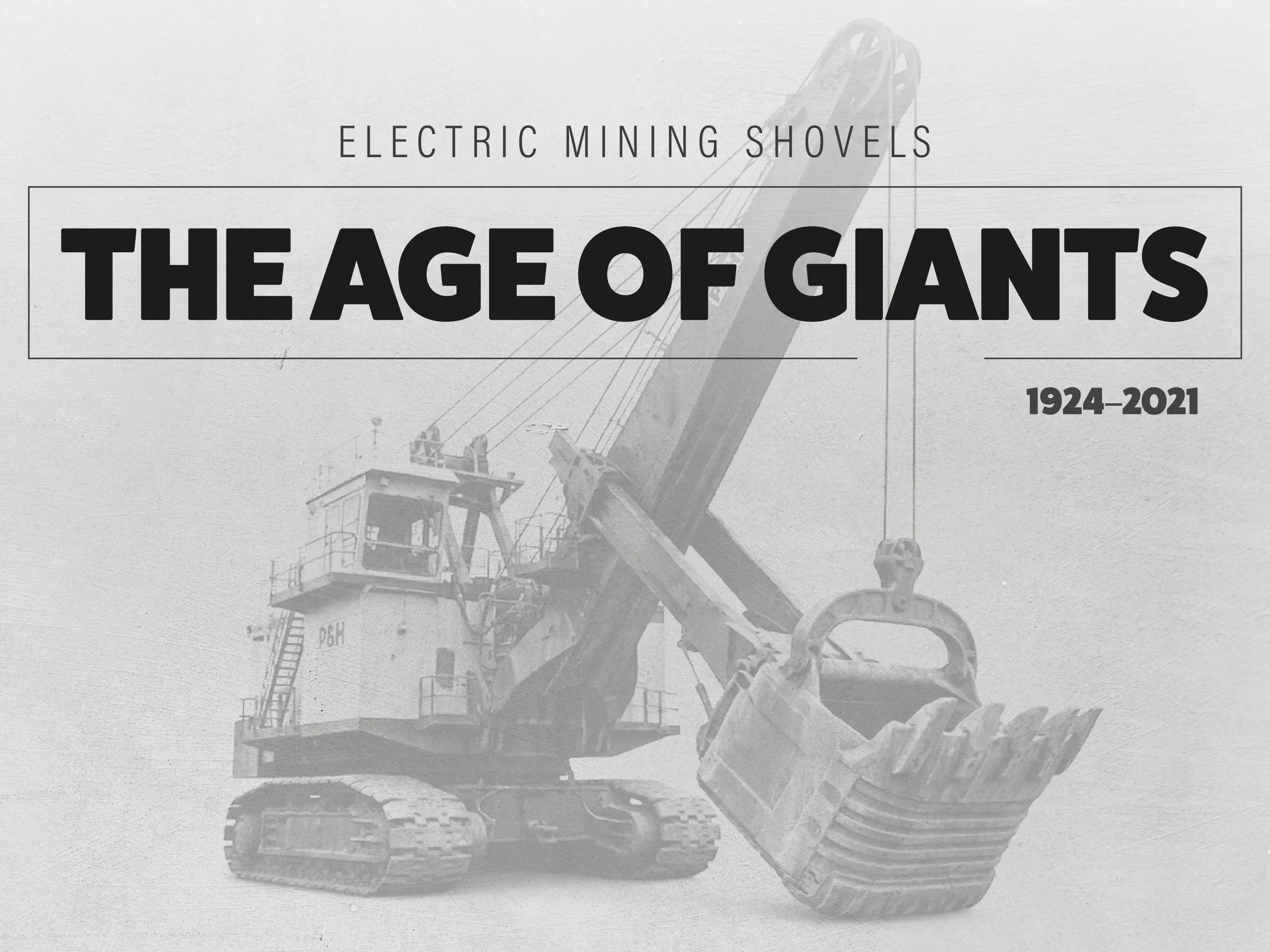
For four decades, the American coalfields hosted an engineering arms race measured in cubic metres of bucket. It ended not with a bigger machine, but with a deliberate retreat. The single largest mobile land machine ever built, the Marion 6360 "Captain," was commissioned in 1965 and destroyed by fire in 1991. No shovel has approached its scale since, and the machines that replaced it were smaller by design.
Indium is one of the metals you never see but use constantly. As indium tin oxide, it forms the transparent conductive coating on nearly every LCD and touchscreen, and that single application still accounts for most global consumption, according to the USGS. But the metal's role is broadening. Its compounds now sit inside the high-speed optical chips that route data through AI data centers, a shift that has turned a quiet, display-driven material into one buyers watch closely, especially as China refines about 70% of it and has begun tightening the flow.