Lead
Lead Powers the World's Batteries, and Its Map of Demand Is Shifting East
THE WORLD USES OVER 13 MILLION TONNES A YEAR, MOST OF IT FOR BATTERIES, AND ONE COUNTRY BUYS FAR MOR
The following content is sponsored by Eloro Resources

85% Is Batteries: More than 85% of global lead demand is tied to lead-acid batteries, from car starters to grid and telecom backup.
China Is the Centre of Gravity: China alone consumes about 42% of the world's refined lead, more than three times the US share.
Two-Thirds Recycled: Recycled material supplied 67.4% of global refined lead production in 2025, making lead one of the most circular metals in industry.
Lead keeps the lowest profile of any major industrial metal, yet the world consumes more than 13.7 million tonnes of it a year, and demand is still climbing. In November 2025 the United States added lead to its Critical Minerals List, a signal of how seriously governments now take a metal most people never think about. Both its uses and its demand are more concentrated than its low profile suggests.
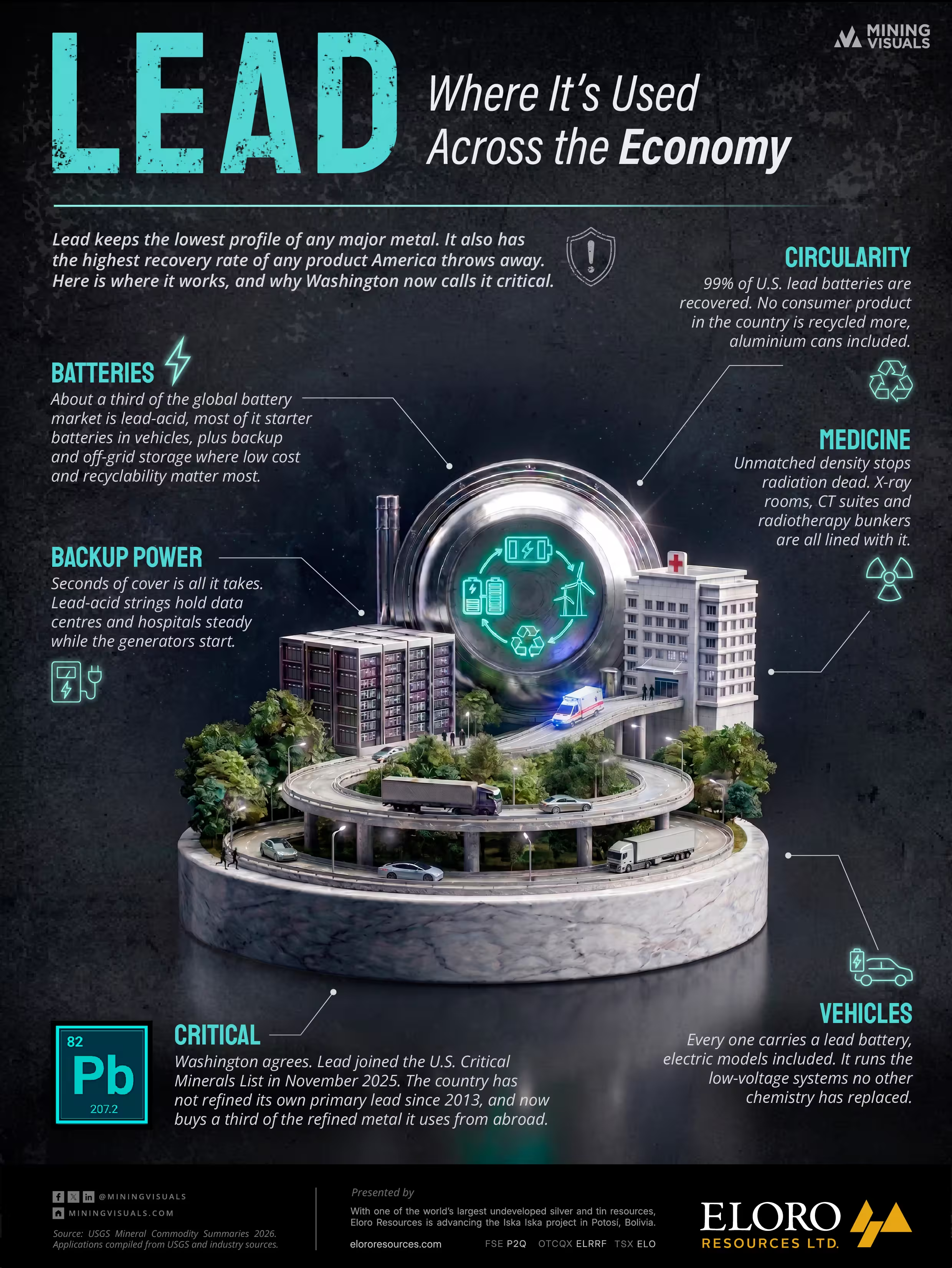
No major metal is as concentrated in a single application as lead. More than 85% of global consumption goes into lead-acid batteries. That figure spans two very different worlds: the starter battery in nearly every combustion and electric vehicle on earth, and the industrial battery banks that hold data centres, telecom exchanges and hospitals steady when mains power fails. Nearly 80% of industrial batteries are lead-acid, according to the ILZSG. The rest of lead's demand, radiation shielding, alloys, cable sheathing and roofing, together accounts for a minority of the total. The infographic shows a spread of uses; the data shows that one use carries the metal.
Where that lead is consumed is even more concentrated than what it is used for. China alone accounted for roughly 42% of global refined lead demand, more than five million tonnes, against about 13% for the United States. Growth has followed the same geography, driven by Asian vehicle fleets and e-bike production. The trend is not uniform, though. The ILZSG expects Chinese demand to dip slightly in 2026 as lead-acid battery exports soften, even as usage rises in Brazil, India, South Korea and Mexico. Lead's demand story is an Asian one first, with the fastest incremental growth spreading into other developing vehicle markets.
Lead is unusual among industrial metals for how much of it is reused. Recycled feedstock, almost entirely spent lead-acid batteries, supplied 67.4% of the world's refined lead in 2025. A spent battery is collected, broken and returned to a new battery. This loop is a global rule, not a regional one: in much of Africa, secondary smelting has become the main way refined lead is produced at all, as the growing pool of used batteries provides ready feedstock.
Lead's non-battery uses are smaller but, in one case, close to irreplaceable. Its density, 11.34 grams per cubic centimetre, lets it absorb X-rays and gamma rays in a thinner layer than any affordable material, which is why radiotherapy bunkers and CT suites worldwide are lined with it. Even here the metal is being edged out at the margins: researchers are developing lead-free aprons for personal wear, and some hospitals have dropped lead patient shields for routine imaging. The heavy fixed shielding stays lead; the wearable layer is slowly leaving it.
Against that global backdrop, one national story stands out, and it is why Washington acted. US lead demand jumped 6.1% in 2025, faster than the global average, even as the country's ability to supply itself narrowed. American mines still produce concentrate, but nearly all of it is exported because the last US primary lead refinery closed in 2013, leaving the country reliant on imported refined metal for 33% of consumption, up from 27% a year earlier. That combination, rising demand and shrinking domestic refining, is what put lead on the 2025 Critical Minerals List. It is a national vulnerability inside a global market that, taken as a whole, remains amply supplied.
Eloro Resources Ltd. is a mineral exploration company advancing a world-class silver and tin project in Bolivia’s historic Potosí Department. Its flagship asset, the Iska Iska Project, ranks among the top five undeveloped global resources in terms of scale for both tin and silver.
This significant grassroots discovery remains open in multiple directions, offering substantial potential for continued expansion and resource enhancement. Iska Iska benefits from strong infrastructure access and a deeply rooted presence in Bolivia, supported by an experienced management team and meaningful community engagement.
Eloro’s strategy is focused on resource growth, strategic partnerships, and establishing a leading position within the global mining sector.
Learn more about Eloro Resources at: http://elororesources.com/
MiningVisuals Disclaimer: This article is for informational purposes only and does not constitute financial or investment advice. Always conduct your own research.
Sources: ILZSG World Lead Factbook 2023; ILZSG April 2026 Press Release; ILZSG Insight 54, Sept 2025; Batteries International / ILZSG, Feb 2026; USGS Mineral Commodity Summaries 2026, Lead; Molecules 2023; Duke Health.

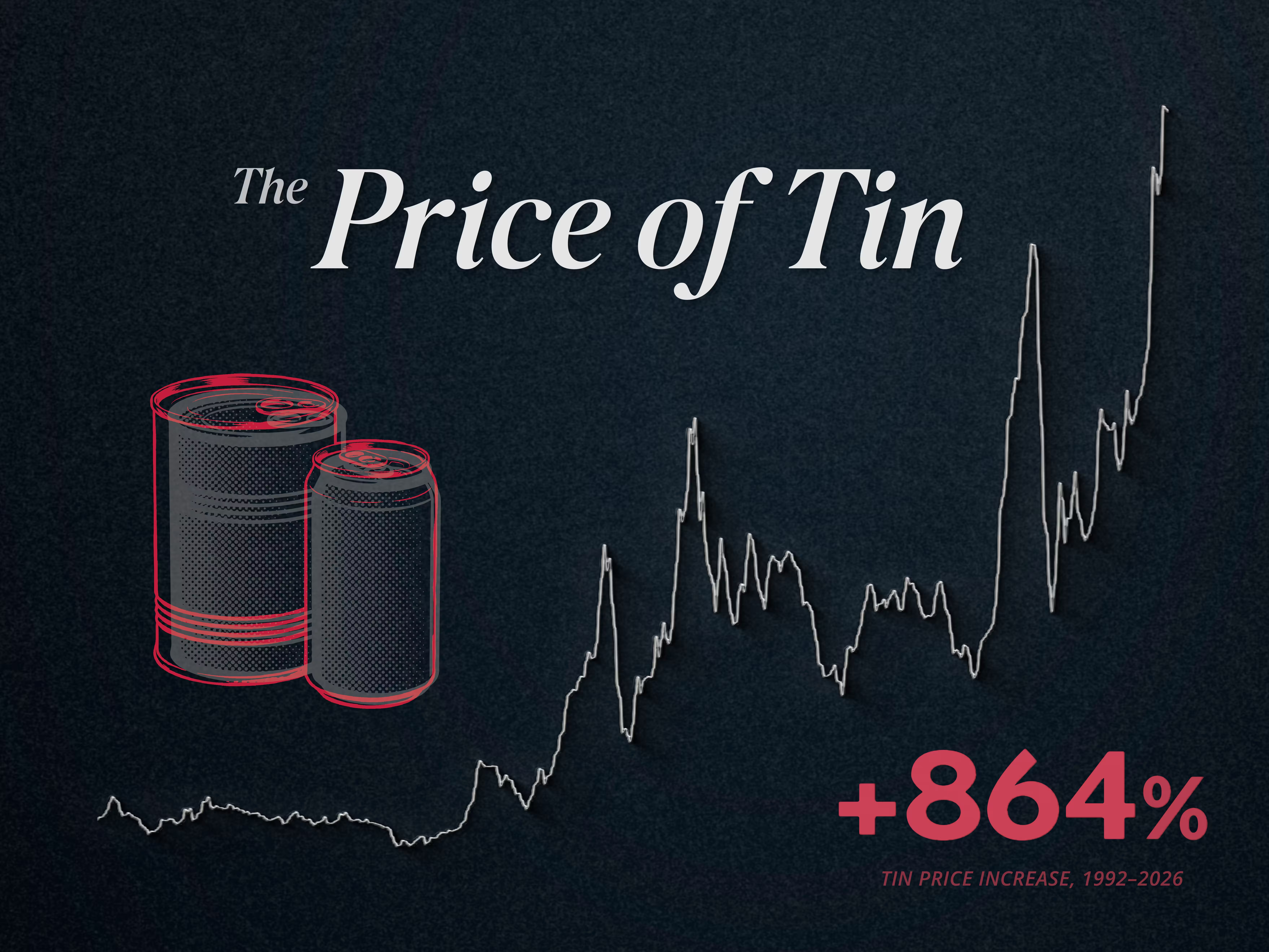
In January 2026, the London Metal Exchange three-month tin contract closed at US$53,462 a tonne, a nominal all-time high that surpassed the March 2022 peak, and it has traded near those levels since. The puzzle is that there is no shortage of tin today: exchange inventories actually rose as the price climbed, rather than being drawn down. Two very different things are holding the price up. The first is short-term: a wave of investor buying, which the industry says drove the January jump. The second is long-term: on current forecasts, the world will not mine enough tin to meet demand later this decade, a gap already projected before the rally began and expected to persist after it fades. The lasting story is that forecast shortfall, not the spike.
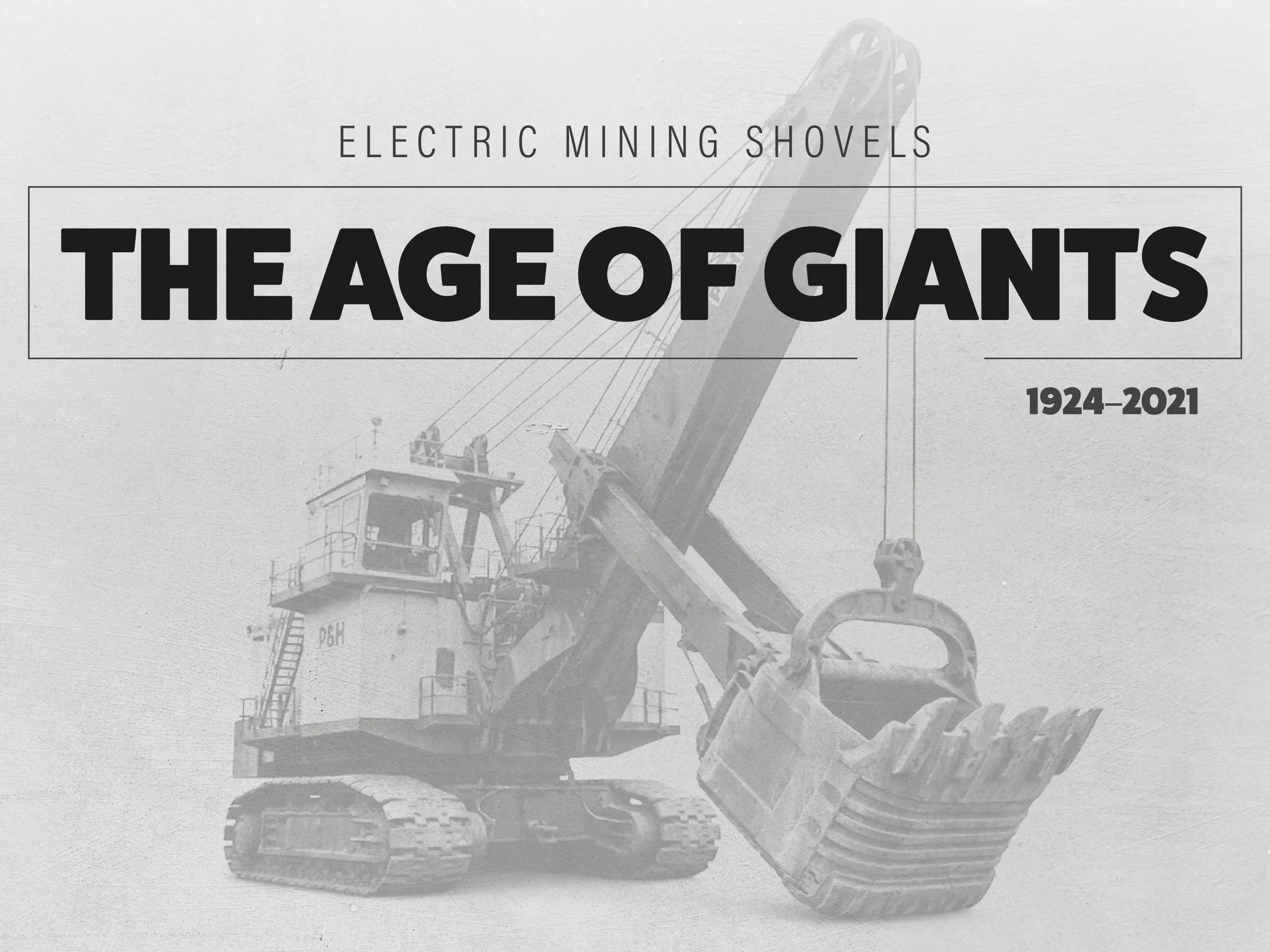
For four decades, the American coalfields hosted an engineering arms race measured in cubic metres of bucket. It ended not with a bigger machine, but with a deliberate retreat. The single largest mobile land machine ever built, the Marion 6360 "Captain," was commissioned in 1965 and destroyed by fire in 1991. No shovel has approached its scale since, and the machines that replaced it were smaller by design.
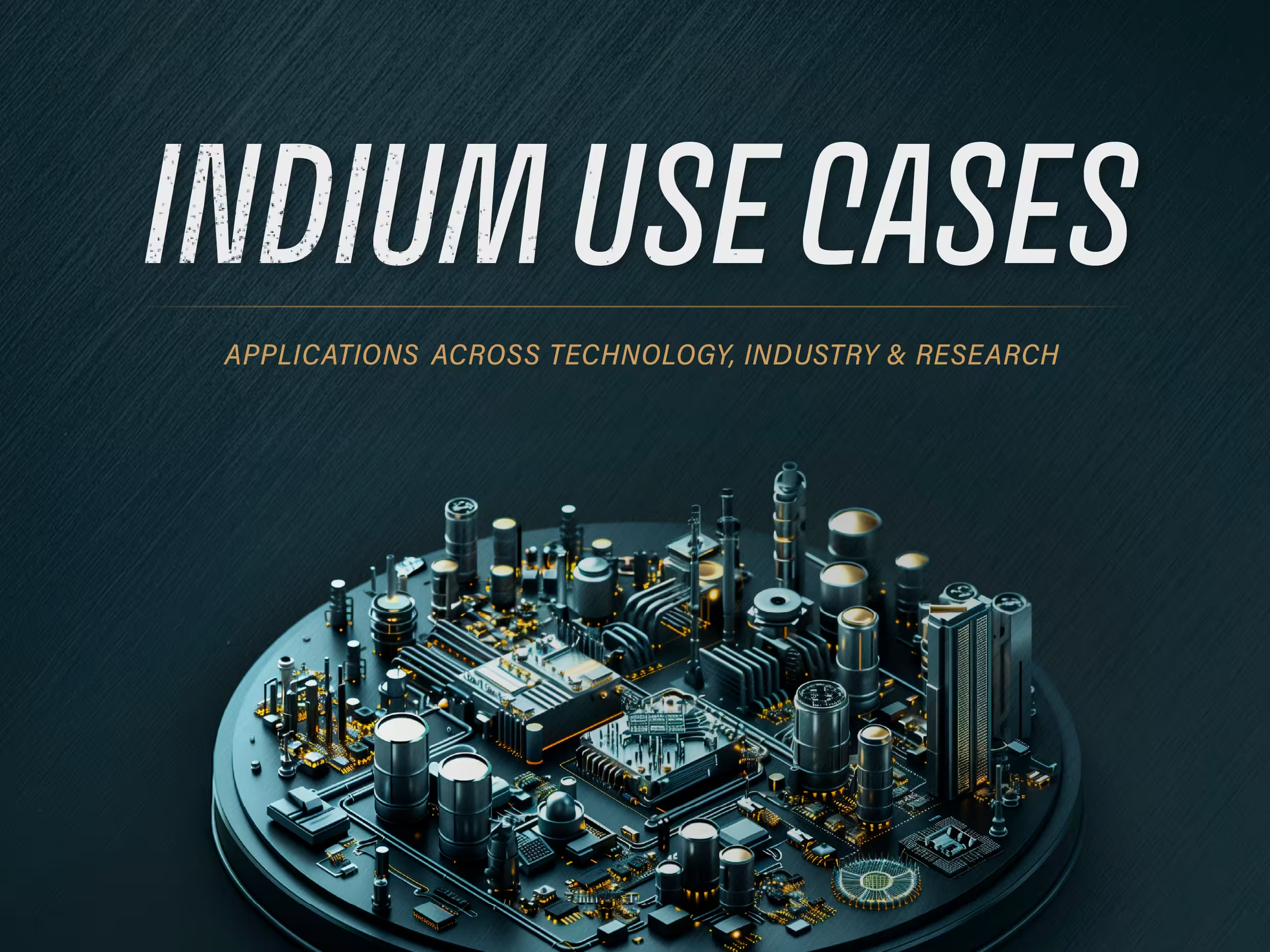
Indium is one of the metals you never see but use constantly. As indium tin oxide, it forms the transparent conductive coating on nearly every LCD and touchscreen, and that single application still accounts for most global consumption, according to the USGS. But the metal's role is broadening. Its compounds now sit inside the high-speed optical chips that route data through AI data centers, a shift that has turned a quiet, display-driven material into one buyers watch closely, especially as China refines about 70% of it and has begun tightening the flow.
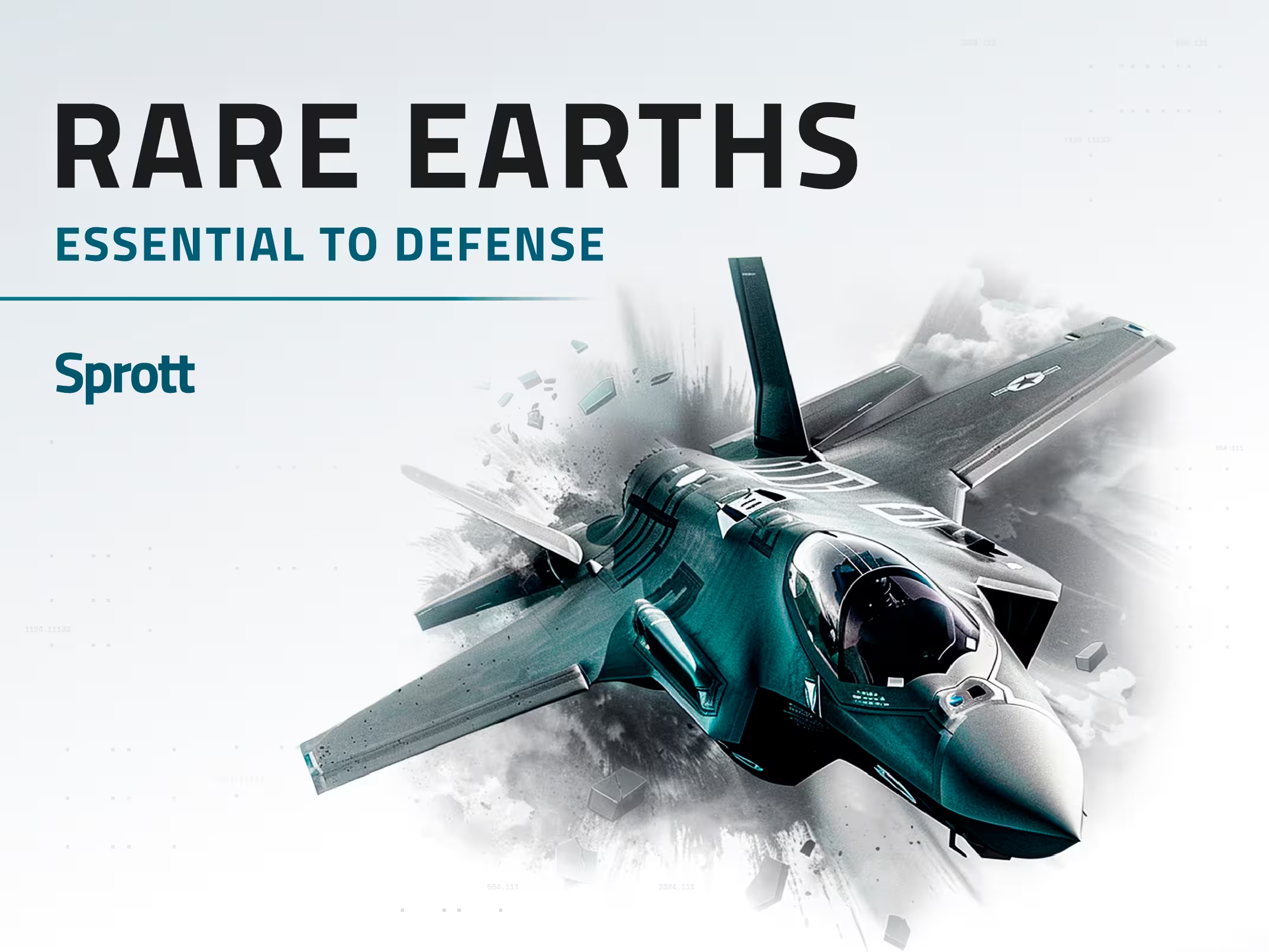
In September 2022, the Pentagon quietly stopped taking delivery of new F-35 fighter jets. The reason was not a design flaw or a manufacturing defect. A single small magnet inside the plane's engine had been made using an alloy from China, which is banned under U.S. defense procurement law.