Commodities
January 5, 2026
3 min
Commodities


Lead often lacks the futuristic allure of lithium or copper, but without it, the modern world would quite literally blink out. While the infographic above, based on Mining Technology’s 2023 market data, ranks the world’s top producers by tonnage, the deeper story is about the critical role these mines play in securing our digital infrastructure.
Before diving into the mine-level drama, consider why we still dig 4.5 million tonnes of this metal annually. Lead-acid batteries remain the primary technology for Uninterruptible Power Supplies (UPS). Every time you access the cloud or use AI, your data relies on massive banks of lead batteries to prevent downtime. As the AI boom drives a surge in server construction, these mines are effectively digging the insurance policy for the internet.
The Center of Gravity Shifts East
The 2023 data reveals a historic pivot. Vedanta Resources has firmly claimed the crown, with its Sindesar Khurd mine in India taking the #1 spot. This isn't just a victory of geology; it is a triumph of automation. Unlike aging Western assets, Sindesar Khurd has become a testbed for digitization, utilizing tele-remote drilling and advanced underground monitoring to maximize output. India is now setting the pace for efficiency, leaving traditional heavyweights to play catch-up.
This rise contrasts sharply with the "Old Guard." Just two years ago, in 2021, Australian giants like Mount Isa and Cannington produced significantly more (132kt and 114kt respectively). Their decline in 2023 paved the way for India’s highly automated operations to take the lead.
Disruption in the Americas & Australia
Meanwhile, the Western hemisphere faced a year of fragility. Newmont’s Peñasquito (#7) in Mexico saw its output throttled by a crippling four-month strike that cost hundreds of millions in lost revenue, proving that labor relations remain as critical as ore grades. In Australia, the headlines were dominated by the closure of the Mount Isa copper mines. However, the data clarifies a crucial point: the George Fisher Zinc-Lead Mine (#4) is alive and well, continuing to supply the market until at least 2036 even as its copper sibling winds down.
The Arctic Clock
Finally, all eyes are on Teck’s Red Dog (#5) in Alaska. A logistical marvel operating in the Arctic Circle, it remains a pillar of global supply. But with a mine life currently projected to end around 2031, the race is frantically on to permit the nearby Aktigiruq deposit. The 2023 numbers are strong, but the industry knows that without this expansion, a massive hole in global supply is less than a decade away.
Primary Source: "The world’s ten largest lead mines" Mining Technology (published June 17, 2024) URL: https://www.mining-technology.com/marketdata/ten-largest-leads-mines/



Explore More
View All

Behind Tin's 2026 Record High
Behind Tin's 2026 Record High
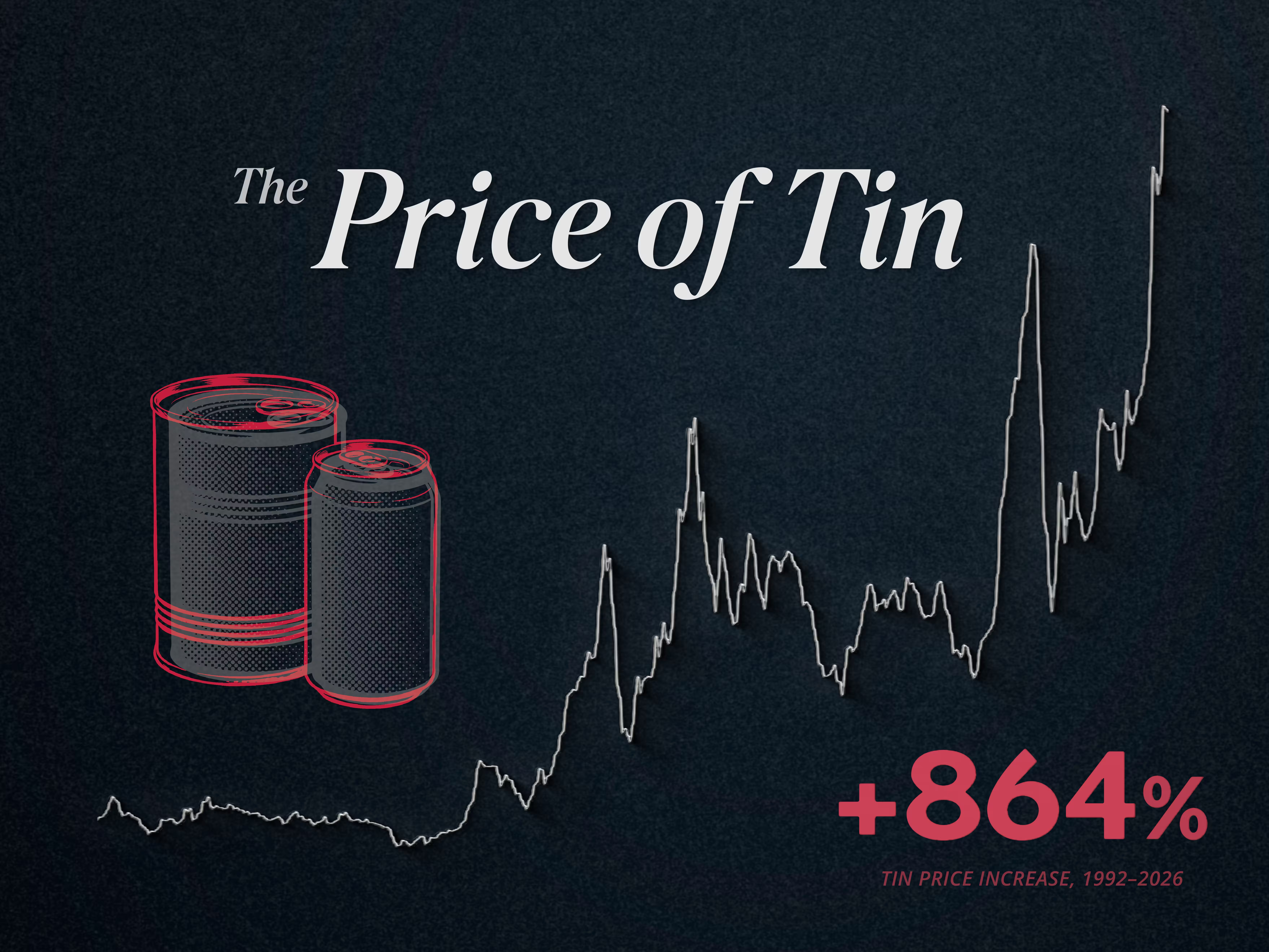
In January 2026, the London Metal Exchange three-month tin contract closed at US$53,462 a tonne, a nominal all-time high that surpassed the March 2022 peak, and it has traded near those levels since. The puzzle is that there is no shortage of tin today: exchange inventories actually rose as the price climbed, rather than being drawn down. Two very different things are holding the price up. The first is short-term: a wave of investor buying, which the industry says drove the January jump. The second is long-term: on current forecasts, the world will not mine enough tin to meet demand later this decade, a gap already projected before the rally began and expected to persist after it fades. The lasting story is that forecast shortfall, not the spike.
Lead Powers the World's Batteries, and Its Map of Demand Is Shifting East
Lead Powers the World's Batteries, and Its Map of Demand Is Shifting East
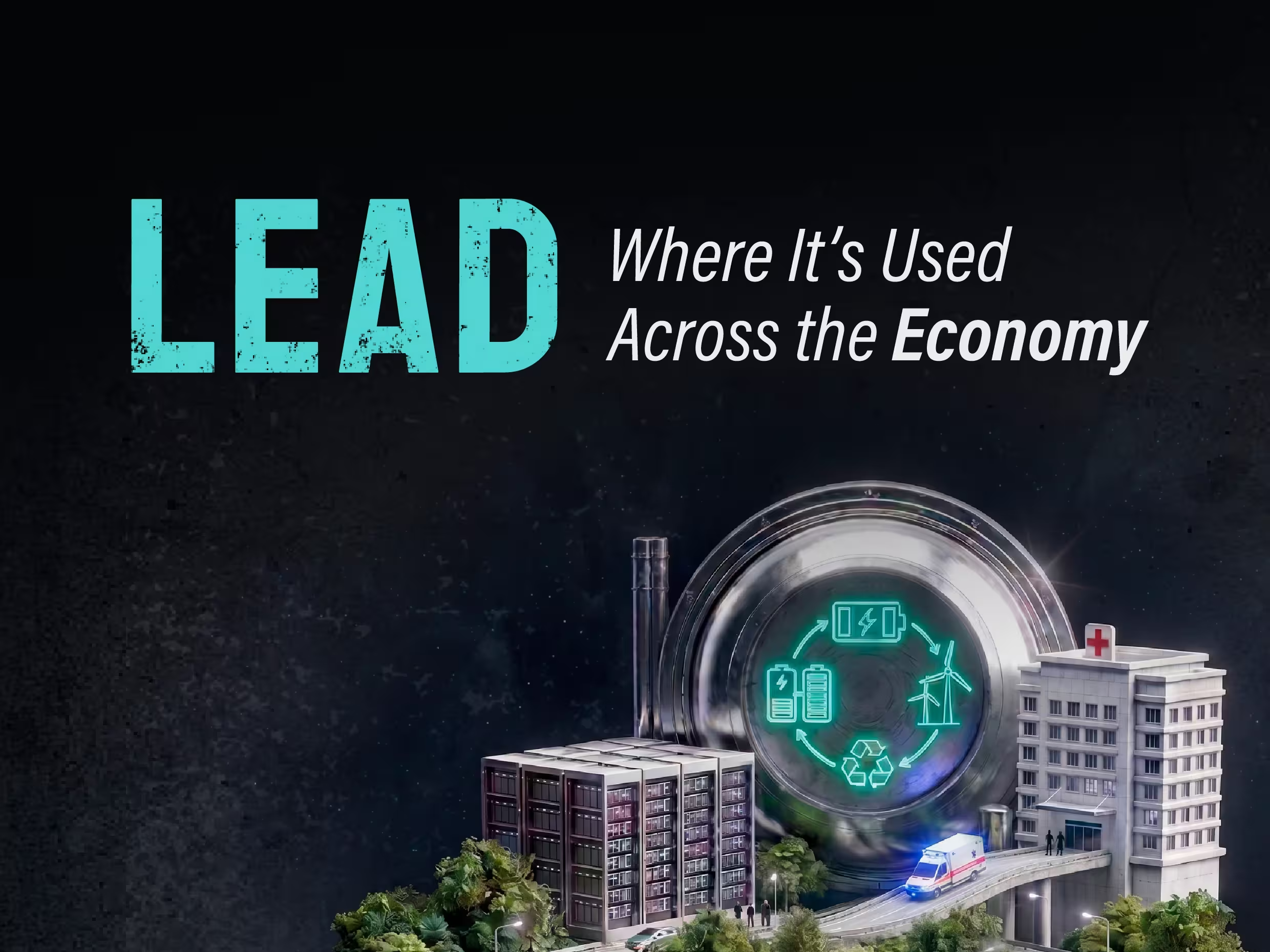
You are probably within a few feet of some lead right now. It sits in the starter battery of nearly every car, electric models included, in the backup power rooms of hospitals and data centres, and behind the walls of every X-ray suite. It is also the most recycled product in the United States, recovered mostly from spent batteries. So it came as a surprise to many when Washington added lead to its Final 2025 List of Critical Minerals in November, a label usually reserved for metals in short supply. Lead is not in short supply
The Age of Giants: How Mining Shovels Grew, Peaked, and Deliberately Shrank
The Age of Giants: How Mining Shovels Grew, Peaked, and Deliberately Shrank
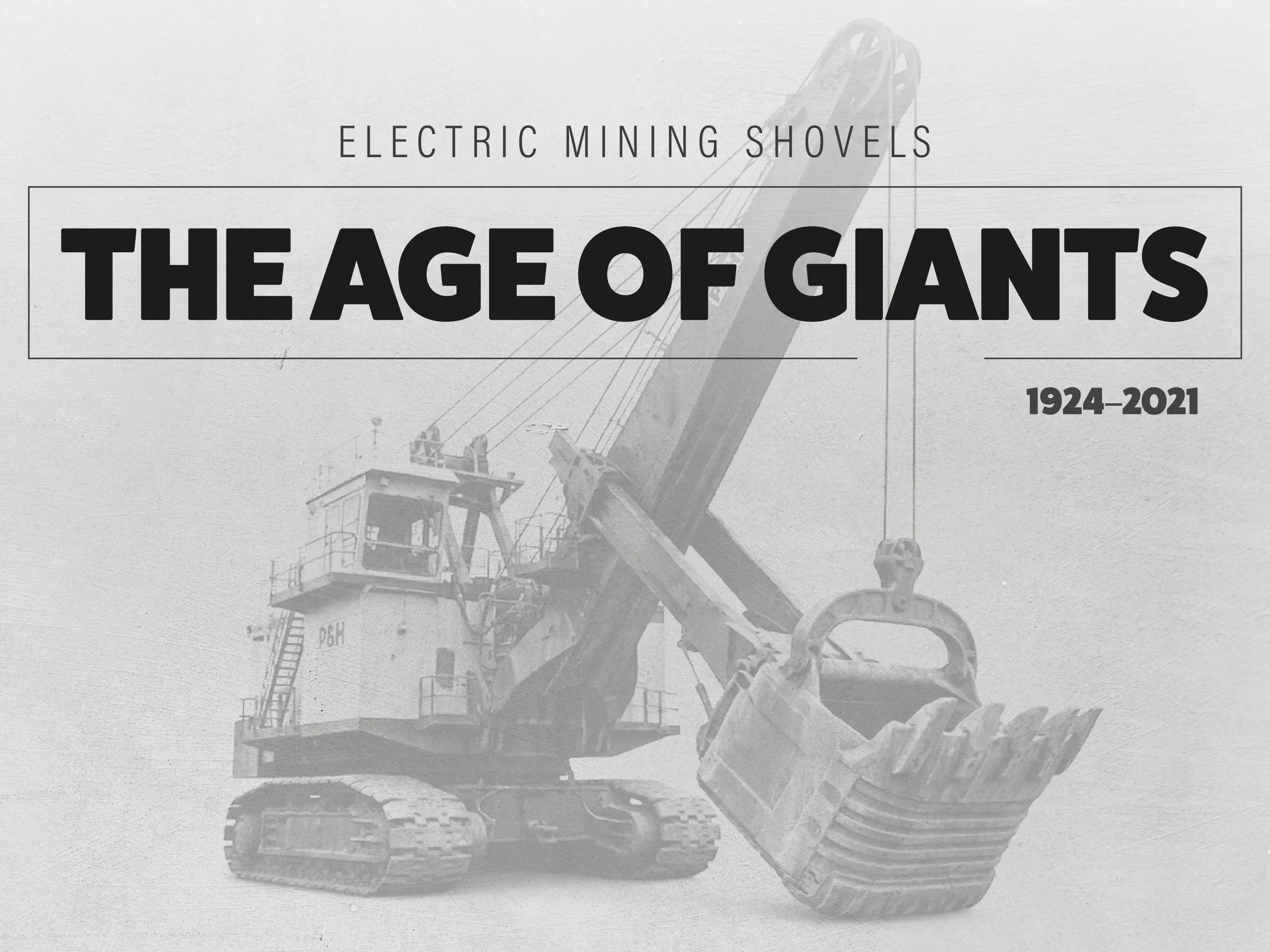
For four decades, the American coalfields hosted an engineering arms race measured in cubic metres of bucket. It ended not with a bigger machine, but with a deliberate retreat. The single largest mobile land machine ever built, the Marion 6360 "Captain," was commissioned in 1965 and destroyed by fire in 1991. No shovel has approached its scale since, and the machines that replaced it were smaller by design.
Where Indium Goes: The Metal Behind Screens, Chips, and Solar
Where Indium Goes: The Metal Behind Screens, Chips, and Solar
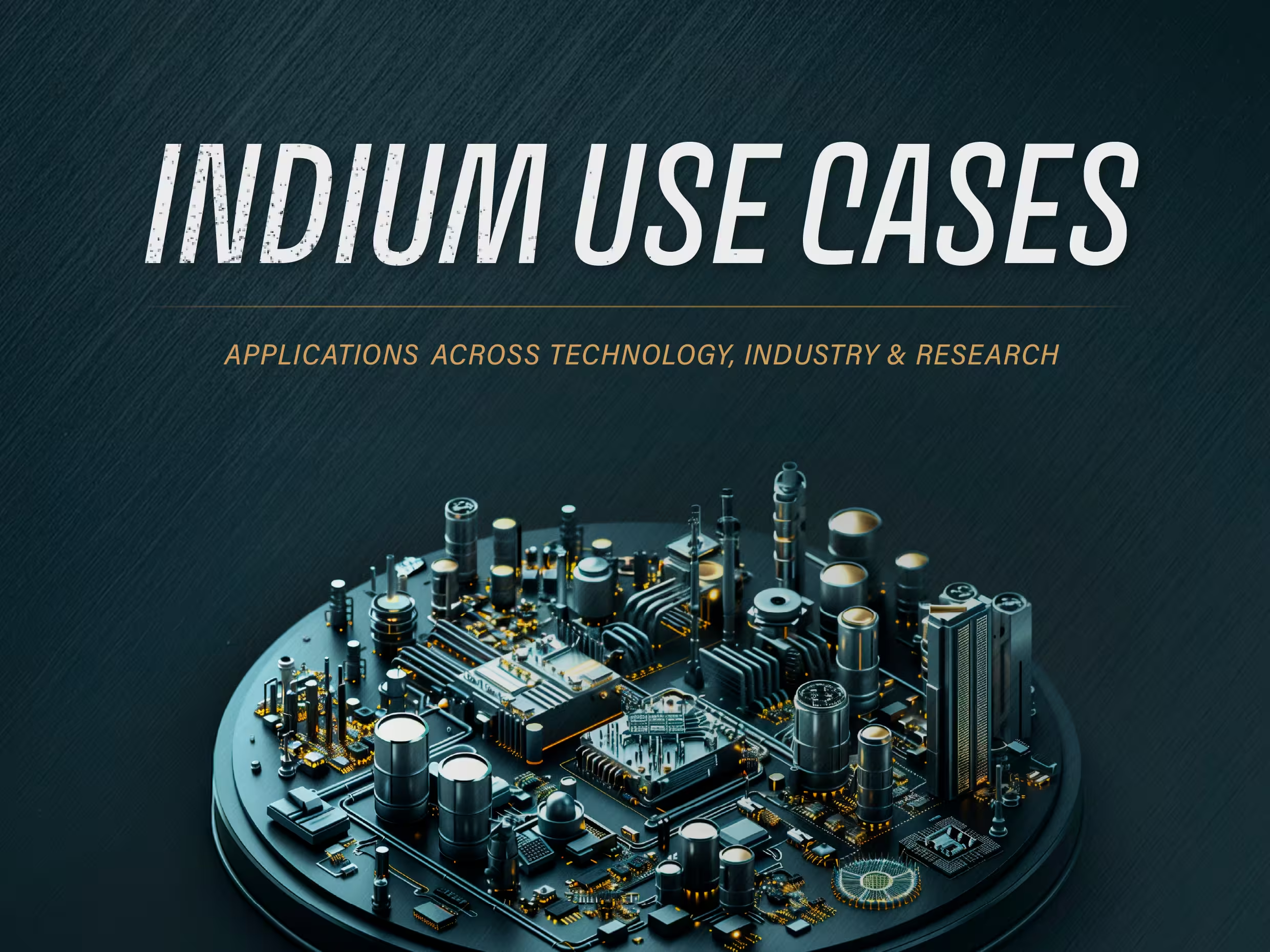
Indium is one of the metals you never see but use constantly. As indium tin oxide, it forms the transparent conductive coating on nearly every LCD and touchscreen, and that single application still accounts for most global consumption, according to the USGS. But the metal's role is broadening. Its compounds now sit inside the high-speed optical chips that route data through AI data centers, a shift that has turned a quiet, display-driven material into one buyers watch closely, especially as China refines about 70% of it and has begun tightening the flow.