Commodities
April 4, 2025
1 min
Commodities
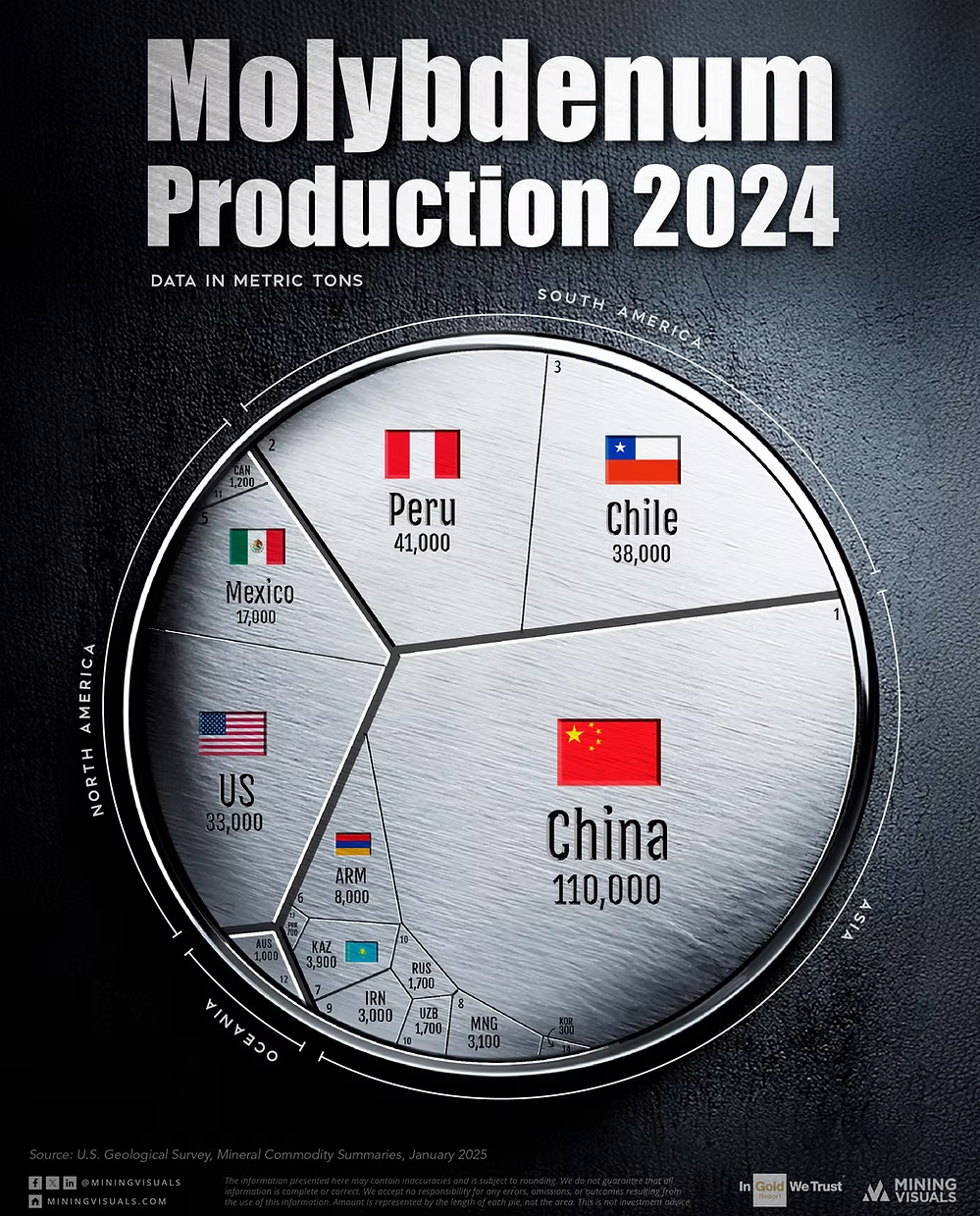

Molybdenum may not be a household name, but this versatile metal plays a crucial role in the modern economy. Its ability to enhance steel's strength, toughness, and resistance to heat and corrosion makes it indispensable in demanding applications, from high-strength alloys used in construction, aerospace, and automotive parts to catalysts essential for petroleum refining.
Recent data provides a snapshot of global molybdenum mine production estimates for 2024. The landscape continues to be dominated by China, estimated to produce around 110,000 metric tons (MT). Following China, a second tier of major producers includes Peru (approx. 41,000 MT), Chile (approx. 38,000 MT), the United States (approx. 33,000 MT), and Mexico (approx. 17,000 MT). Together, these five nations account for a significant majority of the world's primary molybdenum supply.
Other notable contributors illustrated include Armenia, Canada, Kazakhstan, Mongolia, Iran, Russia, and Uzbekistan, each playing a part in the global market. According to the USGS, overall global molybdenum production saw an estimated increase of 6% in 2024 compared to the previous year.
This concentration of production highlights the geological distribution of molybdenum resources. As industries continue to demand high-performance materials, particularly specialized steel alloys for infrastructure, energy, and transportation, molybdenum remains a strategically important metal underpinning key sectors of the global economy.
Source: U.S. Geological Survey, Mineral Commodity Summaries, January 2025
Disclaimer: Production figures for 2024 are estimates based primarily on U.S. Geological Survey (USGS) data and are for informational purposes only. Accuracy and completeness are not guaranteed; figures are subject to revision. Information on molybdenum's uses is provided for general context. This content does not constitute financial or investment advice. Conduct your own research before making decisions.





Explore More
View All

Behind Tin's 2026 Record High
Behind Tin's 2026 Record High
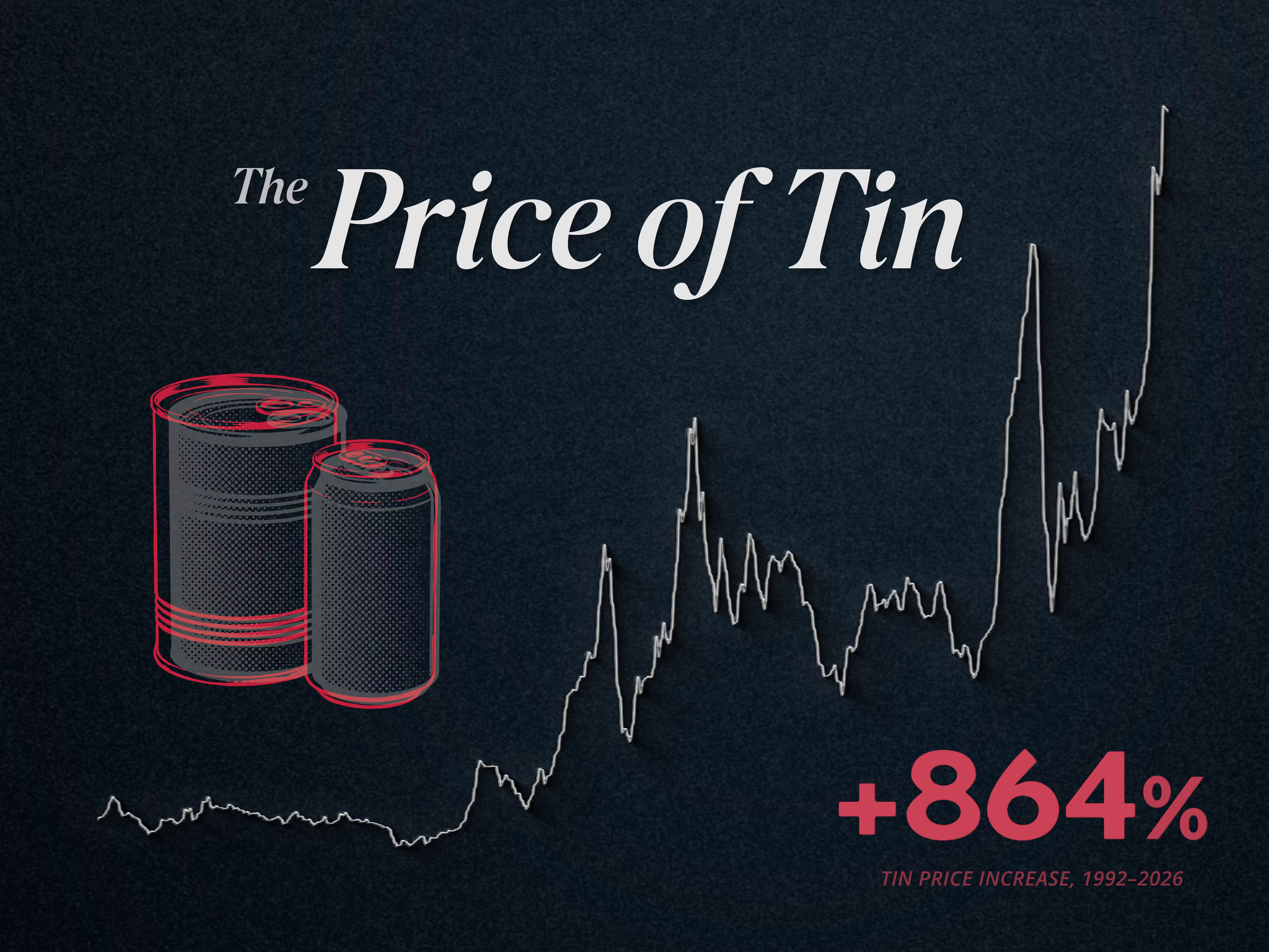
In January 2026, the London Metal Exchange three-month tin contract closed at US$53,462 a tonne, a nominal all-time high that surpassed the March 2022 peak, and it has traded near those levels since. The puzzle is that there is no shortage of tin today: exchange inventories actually rose as the price climbed, rather than being drawn down. Two very different things are holding the price up. The first is short-term: a wave of investor buying, which the industry says drove the January jump. The second is long-term: on current forecasts, the world will not mine enough tin to meet demand later this decade, a gap already projected before the rally began and expected to persist after it fades. The lasting story is that forecast shortfall, not the spike.
The Age of Giants: How Mining Shovels Grew, Peaked, and Deliberately Shrank
The Age of Giants: How Mining Shovels Grew, Peaked, and Deliberately Shrank
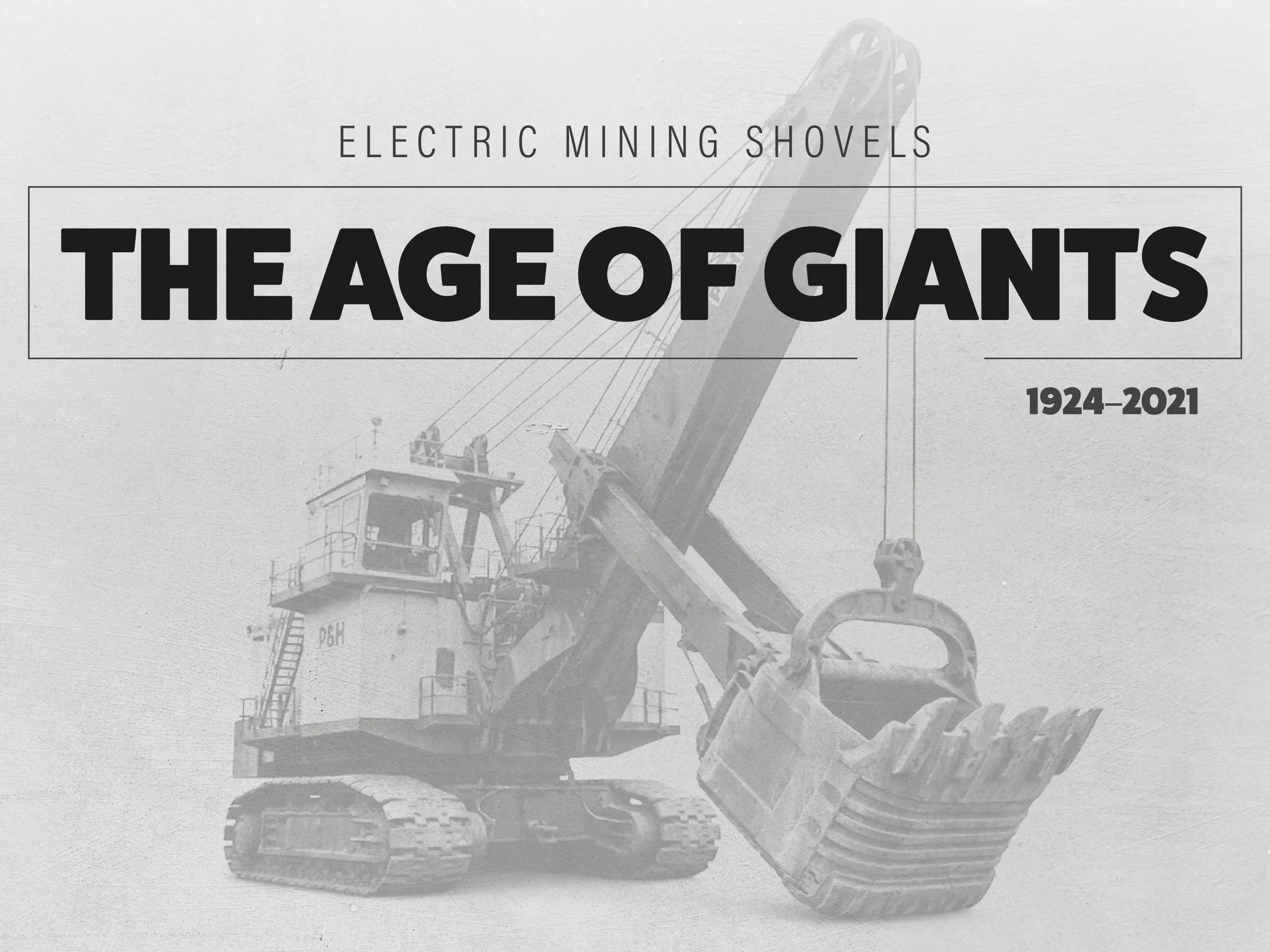
For four decades, the American coalfields hosted an engineering arms race measured in cubic metres of bucket. It ended not with a bigger machine, but with a deliberate retreat. The single largest mobile land machine ever built, the Marion 6360 "Captain," was commissioned in 1965 and destroyed by fire in 1991. No shovel has approached its scale since, and the machines that replaced it were smaller by design.

Where Indium Goes: The Metal Behind Screens, Chips, and Solar
Where Indium Goes: The Metal Behind Screens, Chips, and Solar
Indium is one of the metals you never see but use constantly. As indium tin oxide, it forms the transparent conductive coating on nearly every LCD and touchscreen, and that single application still accounts for most global consumption, according to the USGS. But the metal's role is broadening. Its compounds now sit inside the high-speed optical chips that route data through AI data centers, a shift that has turned a quiet, display-driven material into one buyers watch closely, especially as China refines about 70% of it and has begun tightening the flow.

Rare Earths and the F-35: The Defense Supply-Chain Bottleneck Behind America's Most Advanced Fighter Jet
Rare Earths and the F-35: The Defense Supply-Chain Bottleneck Behind America's Most Advanced Fighter Jet
In September 2022, the Pentagon quietly stopped taking delivery of new F-35 fighter jets. The reason was not a design flaw or a manufacturing defect. A single small magnet inside the plane's engine had been made using an alloy from China, which is banned under U.S. defense procurement law.