Tin
December 9, 2025
4 min
Tin
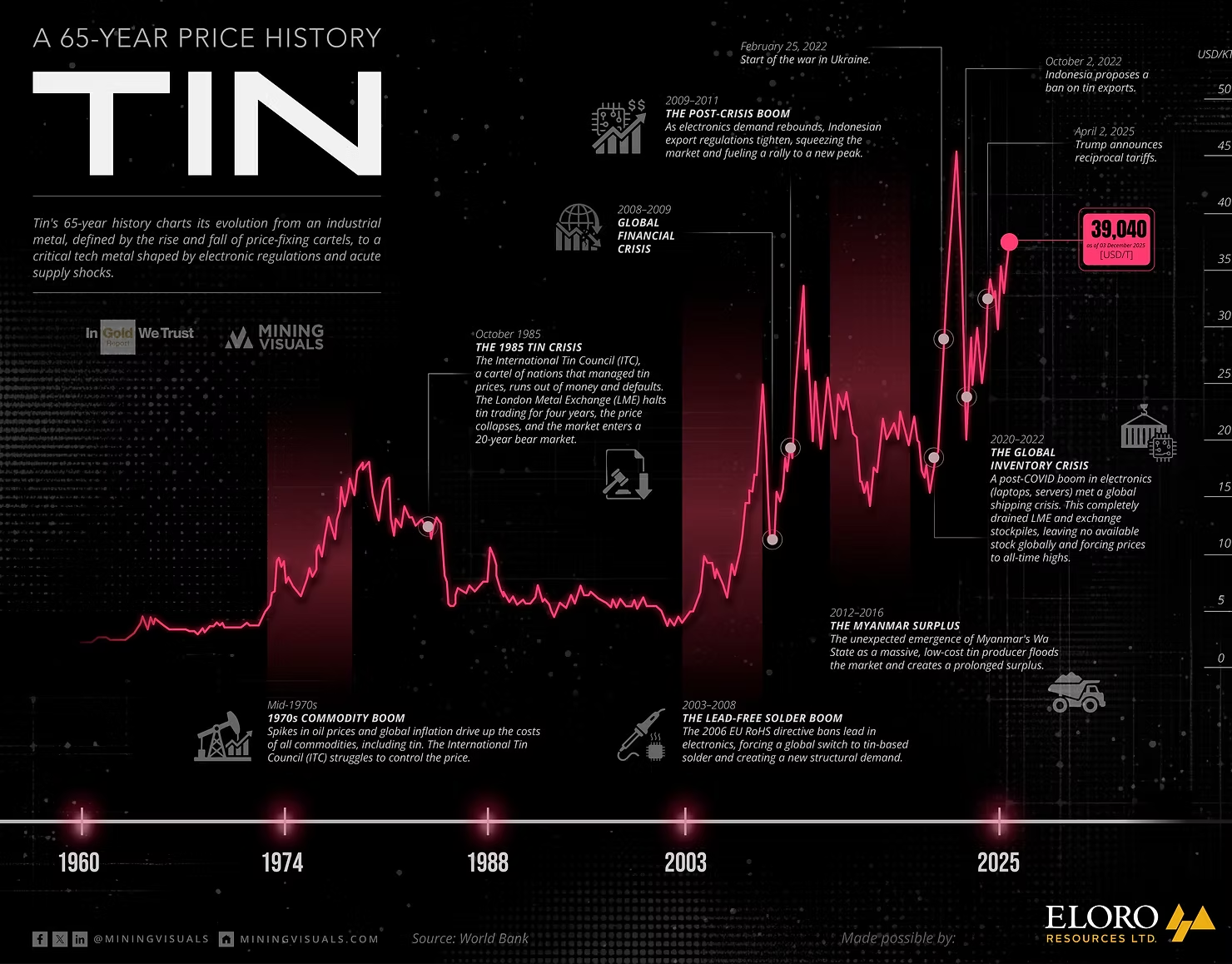

The 65-year price history of tin is a clear illustration of its dramatic evolution, from a price-fixed industrial commodity to a critical, strategic component at the heart of the global electronics industry.
As the chart shows, tin's journey is a volatile story, shaped not by a single factor, but by a complex interplay of speculative crises, cartel collapses, technological regulation, and acute, recurring supply shocks. Here is a deeper look at the events that defined tin's journey from 1960 to the present.
Part I: The Age of Cartels and Crises (1960–2002)
The first half of the chart is defined by the efforts of producers to manage—and ultimately fail to control—the metal's price through collective action.
- Mid-1970s: The 1970s Commodity Boom: The price first spiked significantly during the widespread commodity boom of the 1970s, driven by rising oil prices and global inflation. The market structure, however, was defined by The International Tin Council (ITC). This association of major producing and consuming nations was established to stabilize the market by managing a buffer stock, buying when prices were low and selling when they were high.
- 1985, The Tin Crisis: The ITC's attempt to control the price was a massive failure. Over several years, the ITC's managers bought up massive quantities of tin to keep the floor price high. By October 1985, they ran out of money and defaulted on their debts, leaving a large, unsellable buffer stock. The London Metal Exchange (LME) suspended tin trading until 1989 (a period of almost four years), and the price collapsed. This event marked the end of the market's artificially supported structure, fundamentally changing how the metal traded.
Part II: The Electronics Era (2003–Present)
After a period of relative stagnation following the ITC collapse, the market was permanently transformed by the rise of the global electronics industry and new environmental legislation.
2003–2008: The Lead-Free Solder Boom
The first major rally of the 21st century was not driven by a typical demand cycle but by a permanent, structural change in the market. The catalyst was the European Union's 2006 Restriction of Hazardous Substances (RoHS) directive.
- This legislation banned the use of several hazardous materials in electronics, most notably lead (Pb). The global industry, which had relied on tin-lead solder (typically 63% tin) for decades, was forced to switch to lead-free solder, which is often 95–99% tin.
The RoHS directive, aimed at preventing toxic e-waste and protecting human health, forced a global scramble for a replacement. The solution was lead-free solder, and its primary component is tin. This 'legislative boom' created a massive new demand floor for the metal, permanently and intrinsically linking the price of tin to the future growth of the entire electronics industry.
- This shift was monumental, creating a new demand floor for the metal and intrinsically linking the price of tin to the future growth of the entire electronics industry.
2008–2011: Crisis, Collapse, and Rebound
- 2008–2009 Global Financial Crisis: The market's upward climb was abruptly halted. As global economies seized up, demand for consumer electronics and automobiles evaporated, causing a sharp price decline.
- 2009–2011 Post-Crisis Boom: The recovery was dramatic, fueled by massive government stimulus and resurgent electronics demand. However, a new factor emerged: supply-side anxiety. Indonesian export regulations began to tighten, providing the first major signal that the tin supply chain was fragile and sending prices to a new peak.
2012–2016: The Myanmar Surplus
The market's supply fears were unexpectedly and completely reversed by the emergence of a massive, low-cost tin source: Myanmar's Wa State. This "Myanmar Surplus" rapidly flooded the market, overwhelming demand, breaking the post-2011 rally, and pushing the market into a prolonged multi-year bear market.
2020–2022: The "Perfect Storm" and All-Time Highs
The period from 2020 onward represents the most volatile in tin's history, a phenomenon labeled The Global Inventory Crisis on the chart.
- The "Work From Home" boom created increased demand for electronics (laptops, servers).
- Simultaneously, global shipping chains fractured and smelters were shut down by lockdowns, creating an acute supply crunch.
- The resulting imbalance sent prices parabolic, culminating in the all-time high of $50,000/tonne seen on February 25, 2022, coinciding with the start of the war in Ukraine.
2022–2025: The New Geopolitical Volatility
The subsequent crash in 2022 was triggered by aggressive central bank interest rate hikes and the cooling of the post-COVID electronics boom. However, the market is now defined by acute geopolitical supply risk:
- October 2, 2022: Indonesia proposes a ban on tin exports. This threat of resource nationalism highlighted the market's supply-side fragility and helped establish a new price floor.
- April 2, 2025: Tit-for-tat reciprocal tariffs were announced, injecting massive uncertainty and inflationary pressure into global electronics supply chains, leading to the latest spike.
The story of tin is no longer just about industrial demand; it's about the intersection of technology, green energy (solar panels and EV batteries), and artificial intelligence, all balanced on a newly fragile supply chain.
Sponsored by:

Eloro Resources Ltd. is a mineral exploration company advancing a world-class silver and tin project in Bolivia’s historic Potosí Department. Its flagship asset, the Iska Iska Project, ranks among the top five undeveloped global resources in terms of scale for both tin and silver.
This significant grassroots discovery remains open in multiple directions, offering substantial potential for continued expansion and resource enhancement. Iska Iska benefits from strong infrastructure access and a deeply rooted presence in Bolivia, supported by an experienced management team and meaningful community engagement.
Eloro’s strategy is focused on resource growth, strategic partnerships, and establishing a leading position within the global mining sector.
Learn more at elororesources.com.
Sources
- Price Data: World Bank
- Market Analysis & Events: International Tin Association (ITA): Reports on market trends, including the impact of the RoHS directive, demand from solar PV, and future applications in green tech and AI.
- Reuters: News and analysis covering specific supply-side events, including Indonesian export policies and the 2023 mining ban in Myanmar's Wa State.
- European Commission: Information on the 2006 Restriction of Hazardous Substances (RoHS) directive, which mandated the shift to lead-free (tin-based) solder in electronics.
- Fastmarkets: Analysis on commodity demand, including the role of tin in electronics, AI data centers, and renewable energy technologies. Various Industry Reports (Industry): Analysis from mining and tech publications on the structural demand for tin in electronics, solder, and new applications like EV batteries and AI hardware.




Explore More
View All

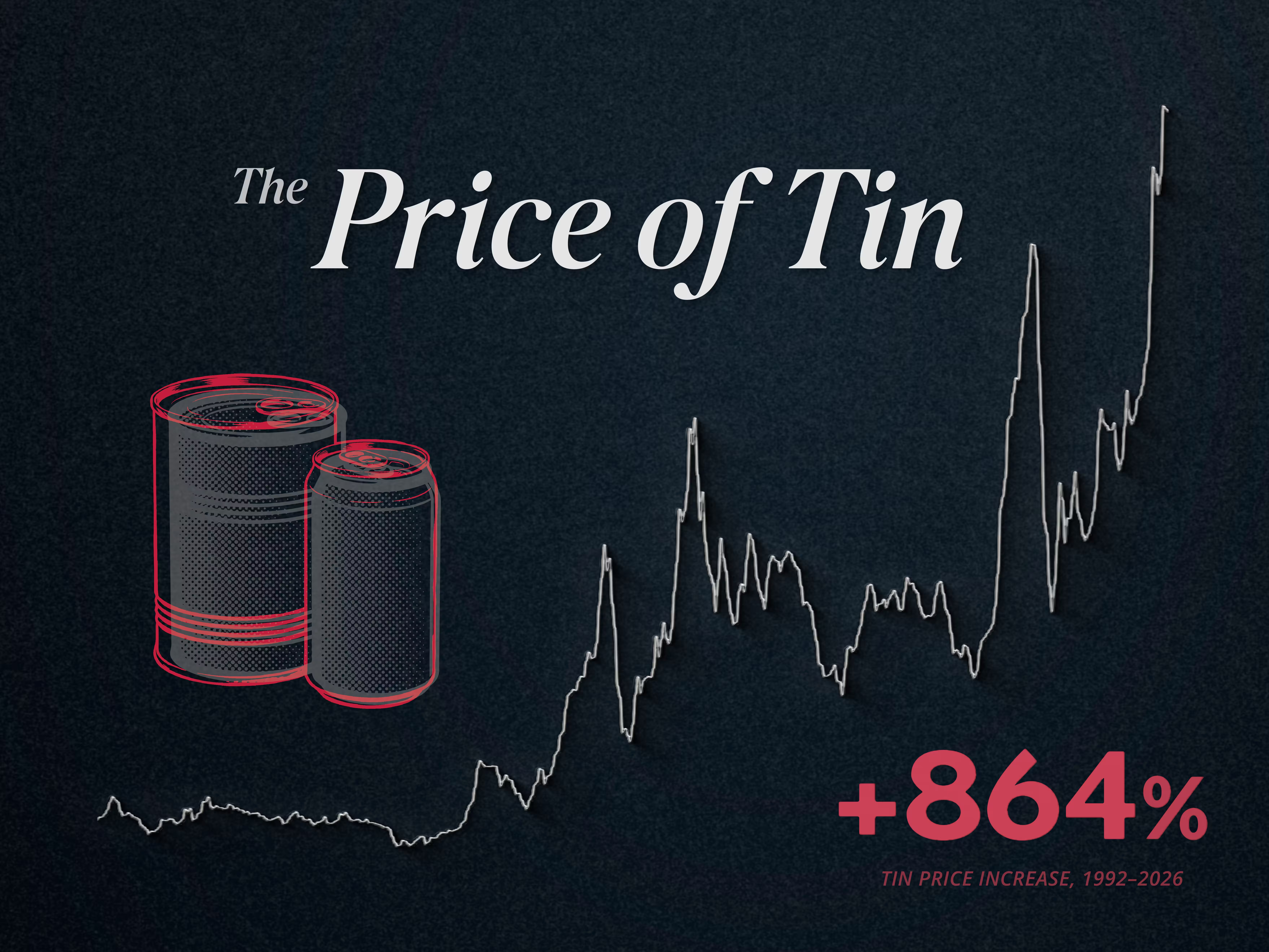
Behind Tin's 2026 Record High
Behind Tin's 2026 Record High
In January 2026, the London Metal Exchange three-month tin contract closed at US$53,462 a tonne, a nominal all-time high that surpassed the March 2022 peak, and it has traded near those levels since. The puzzle is that there is no shortage of tin today: exchange inventories actually rose as the price climbed, rather than being drawn down. Two very different things are holding the price up. The first is short-term: a wave of investor buying, which the industry says drove the January jump. The second is long-term: on current forecasts, the world will not mine enough tin to meet demand later this decade, a gap already projected before the rally began and expected to persist after it fades. The lasting story is that forecast shortfall, not the spike.
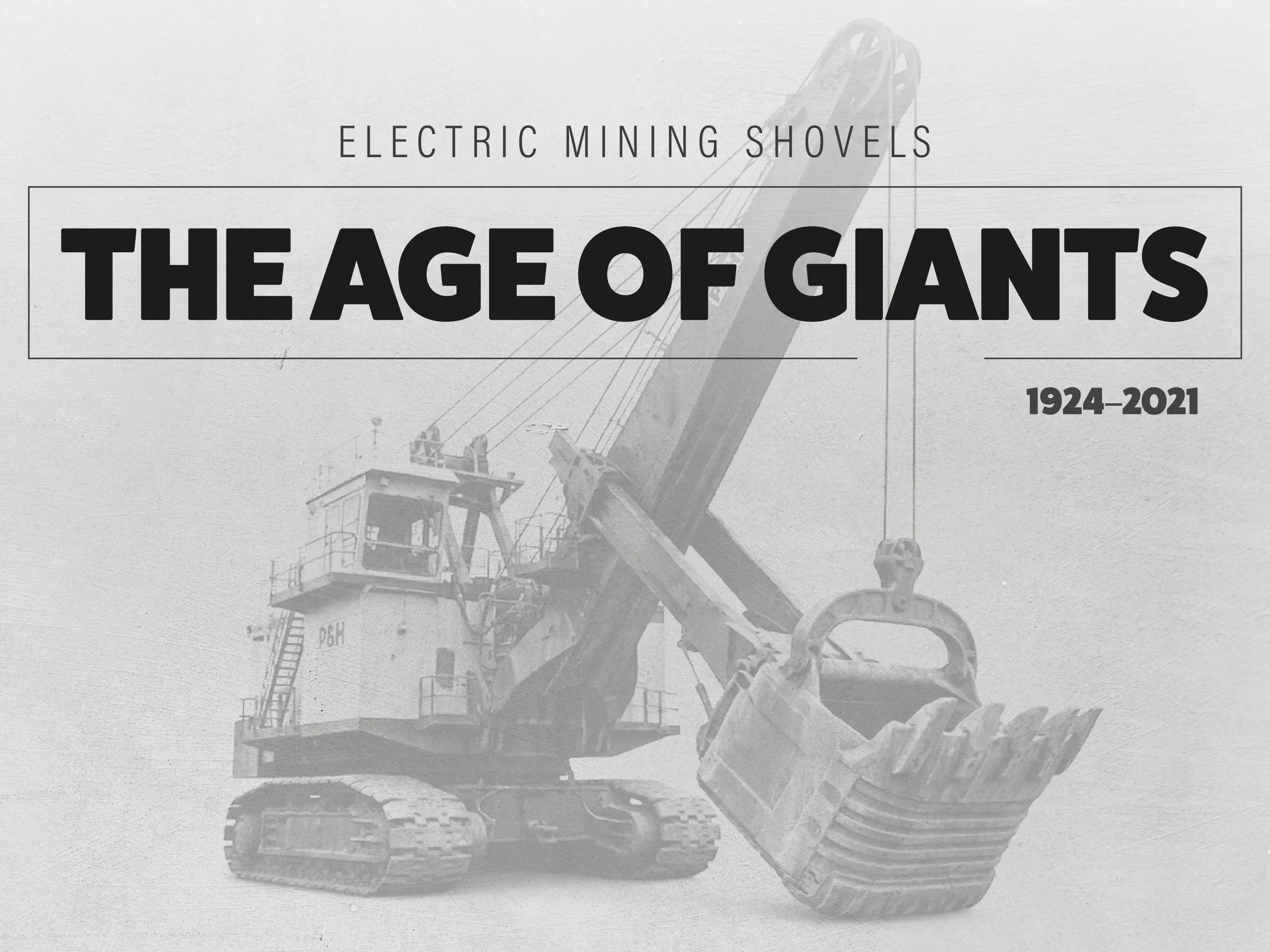
The Age of Giants: How Mining Shovels Grew, Peaked, and Deliberately Shrank
The Age of Giants: How Mining Shovels Grew, Peaked, and Deliberately Shrank
For four decades, the American coalfields hosted an engineering arms race measured in cubic metres of bucket. It ended not with a bigger machine, but with a deliberate retreat. The single largest mobile land machine ever built, the Marion 6360 "Captain," was commissioned in 1965 and destroyed by fire in 1991. No shovel has approached its scale since, and the machines that replaced it were smaller by design.
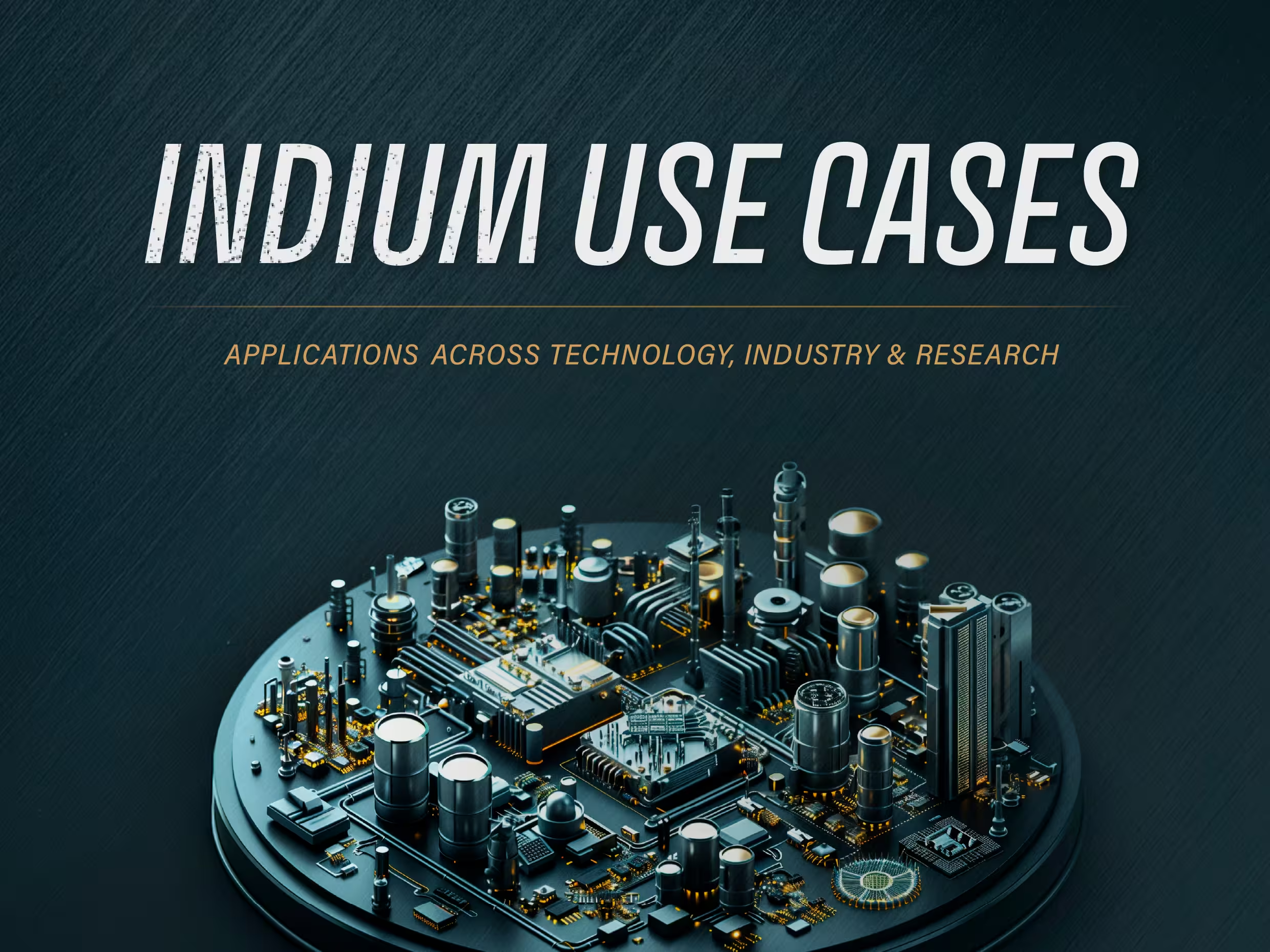
Where Indium Goes: The Metal Behind Screens, Chips, and Solar
Where Indium Goes: The Metal Behind Screens, Chips, and Solar
Indium is one of the metals you never see but use constantly. As indium tin oxide, it forms the transparent conductive coating on nearly every LCD and touchscreen, and that single application still accounts for most global consumption, according to the USGS. But the metal's role is broadening. Its compounds now sit inside the high-speed optical chips that route data through AI data centers, a shift that has turned a quiet, display-driven material into one buyers watch closely, especially as China refines about 70% of it and has begun tightening the flow.

Rare Earths and the F-35: The Defense Supply-Chain Bottleneck Behind America's Most Advanced Fighter Jet
Rare Earths and the F-35: The Defense Supply-Chain Bottleneck Behind America's Most Advanced Fighter Jet
In September 2022, the Pentagon quietly stopped taking delivery of new F-35 fighter jets. The reason was not a design flaw or a manufacturing defect. A single small magnet inside the plane's engine had been made using an alloy from China, which is banned under U.S. defense procurement law.