Tin
February 26, 2026
3 min read
Tin
.webp)

Key takeaways
Key Takeaways
- Tin Powers AI Chip Manufacturing: Vaporized tin plasma is required for the Extreme Ultraviolet (EUV) lithography used to print the ultra-small 3nm and 5nm circuits powering modern AI.
- Tin Triples Battery Potential: Tin anodes offer nearly three times the energy storage capacity (~994 mAh/g) of traditional graphite, providing a massive potential upgrade for EV range.
- Tin Contains Nuclear Fusion: Reactors rely on massive Niobium-Tin (Nb3Sn) superconducting magnets to withstand the extreme 12+ Tesla magnetic fields needed to contain superheated fusion plasma.
If you listed the metals defining the 21st century, tin might not make the top five. Yet, this ancient metal serves as a primary physical enabler for our most complex engineering challenges: AI hardware, advanced batteries, and nuclear fusion.
The table below outlines how tin actively upgrades traditional materials to break physical performance barriers.
Tin as a Plasma Source
Application: Extreme Ultraviolet (EUV) Lithography
The modern world runs on silicon, but leading-edge silicon runs on tin. The 3nm chips powering the latest iPhones and AI models can only be manufactured using Extreme Ultraviolet (EUV) Lithography.
At the heart of every ASML EUV machine is a tin droplet generator. To print circuits mere atoms wide, engineers need light with a specific wavelength of 13.5 nanometers.
- A high-power laser blasts a microscopic droplet of molten tin, vaporizing it into plasma.
- This plasma emits the specific EUV light needed to print the chip.
This laser-to-droplet collision happens 50,000 times per second. Without tin’s unique atomic properties, the industry could not achieve the precision required for current processors.
Tin as an Energy Matrix (Surpassing Graphite)
Application: High-Capacity Anodes for Li-ion Batteries
As the world electrifies, the graphite anodes in current lithium-ion batteries are hitting a capacity ceiling. Tin offers a massive upgrade.
- Graphite Capacity: ~372 mAh/g
- Tin Capacity: ~994 mAh/g
Tin can theoretically store nearly three times as much energy. While pure tin expands by up to 300% when charged, new Tin-Carbon composites are solving this by stabilizing the metal within a carbon matrix.
Tin is also critical for emerging Sodium-ion batteries, a cheaper grid-storage alternative, where tin anodes offer ~847 mAh/g, vastly outperforming other materials.
Tin as a Superconductor (The Niobium-Tin Alloy)
Application: Superconducting Magnets for Fusion
At the largest scale of physics, tin is helping humanity replicate the sun. Nuclear fusion requires heating hydrogen to 150 million degrees Celsius. To contain this superheated plasma, reactors need massive magnetic fields.
Standard magnets fail here. The solution is Niobium-Tin (Nb3Sn), a superconductor capable of operating in extreme magnetic fields (12+ Tesla).
- The ITER Project: The world’s largest fusion experiment relies on over 500 metric tons of niobium-tin wire.
- The Future: As private fusion ventures scale, high-grade tin is becoming essential for the clean energy transition.
Summary
Advanced technology is defined by software, but limited by hardware. Whether generating plasma for AI chip manufacturing or stabilizing magnetic fields for fusion reactors, tin provides the essential physical properties required to scale these technologies from theory to industrial reality.
Sponsored by:
Eloro Resources Ltd. is a mineral exploration company advancing a world-class silver and tin project in Bolivia’s historic Potosí Department. Its flagship asset, the Iska Iska Project, ranks among the top five undeveloped global resources in terms of scale for both tin and silver.
This significant grassroots discovery remains open in multiple directions, offering substantial potential for continued expansion and resource enhancement. Iska Iska benefits from strong infrastructure access and a deeply rooted presence in Bolivia, supported by an experienced management team and meaningful community engagement.
Eloro’s strategy is focused on resource growth, strategic partnerships, and establishing a leading position within the global mining sector.
Learn more at
https://elororesources.comThis article is for information purposes only and does not constitute investment advice or a recommendation to buy or sell any securities. All information is provided "as is" without warranty of any kind. This content contains forward-looking statements regarding future technologies and market demand, which involve risks and uncertainties. Actual results may differ materially from those projected. Readers should conduct their own due diligence and consult with a qualified financial advisor before making any investment decisions.



Explore More
View All

Behind Tin's 2026 Record High
Behind Tin's 2026 Record High
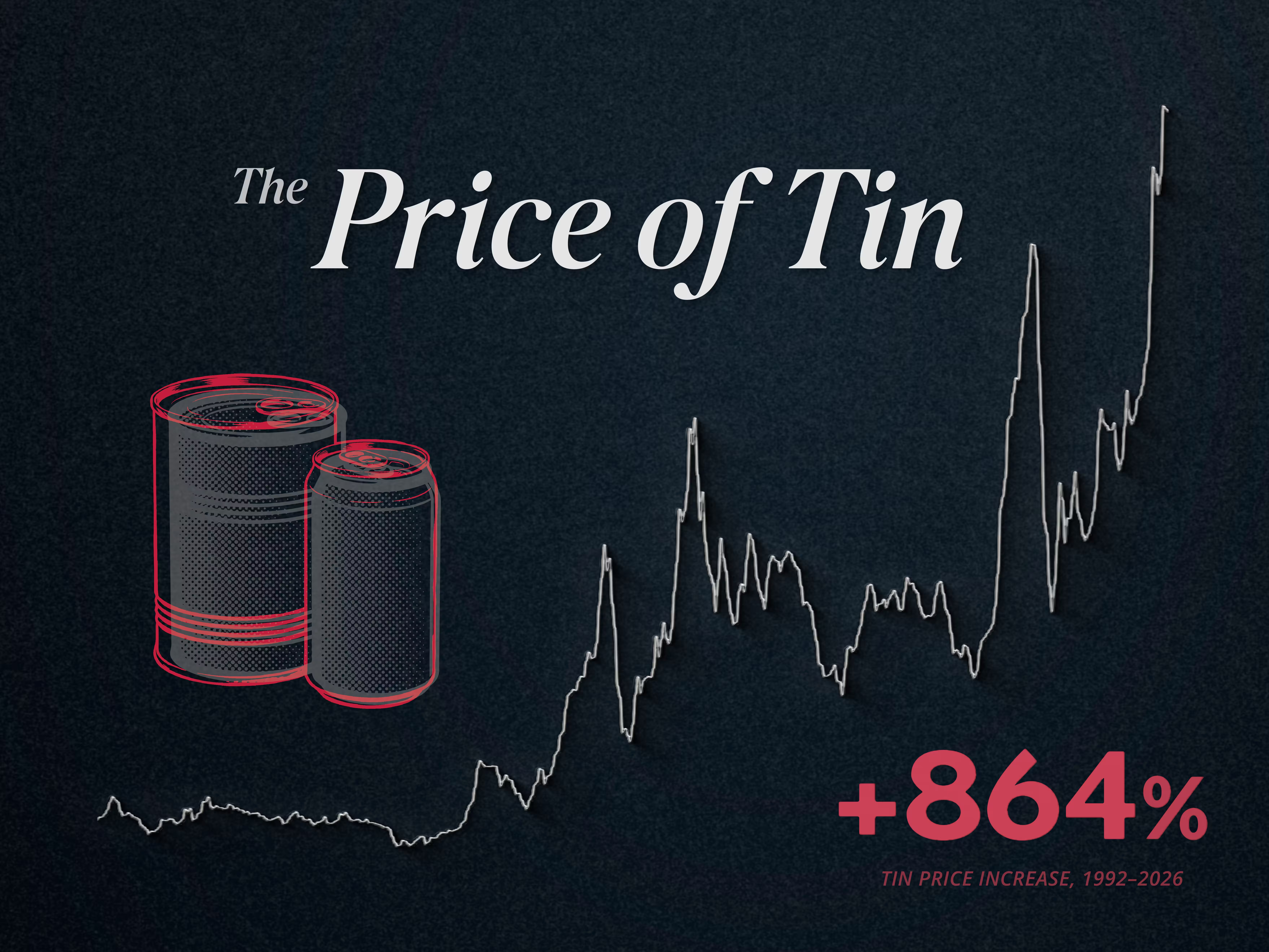
In January 2026, the London Metal Exchange three-month tin contract closed at US$53,462 a tonne, a nominal all-time high that surpassed the March 2022 peak, and it has traded near those levels since. The puzzle is that there is no shortage of tin today: exchange inventories actually rose as the price climbed, rather than being drawn down. Two very different things are holding the price up. The first is short-term: a wave of investor buying, which the industry says drove the January jump. The second is long-term: on current forecasts, the world will not mine enough tin to meet demand later this decade, a gap already projected before the rally began and expected to persist after it fades. The lasting story is that forecast shortfall, not the spike.
Lead Powers the World's Batteries, and Its Map of Demand Is Shifting East
Lead Powers the World's Batteries, and Its Map of Demand Is Shifting East
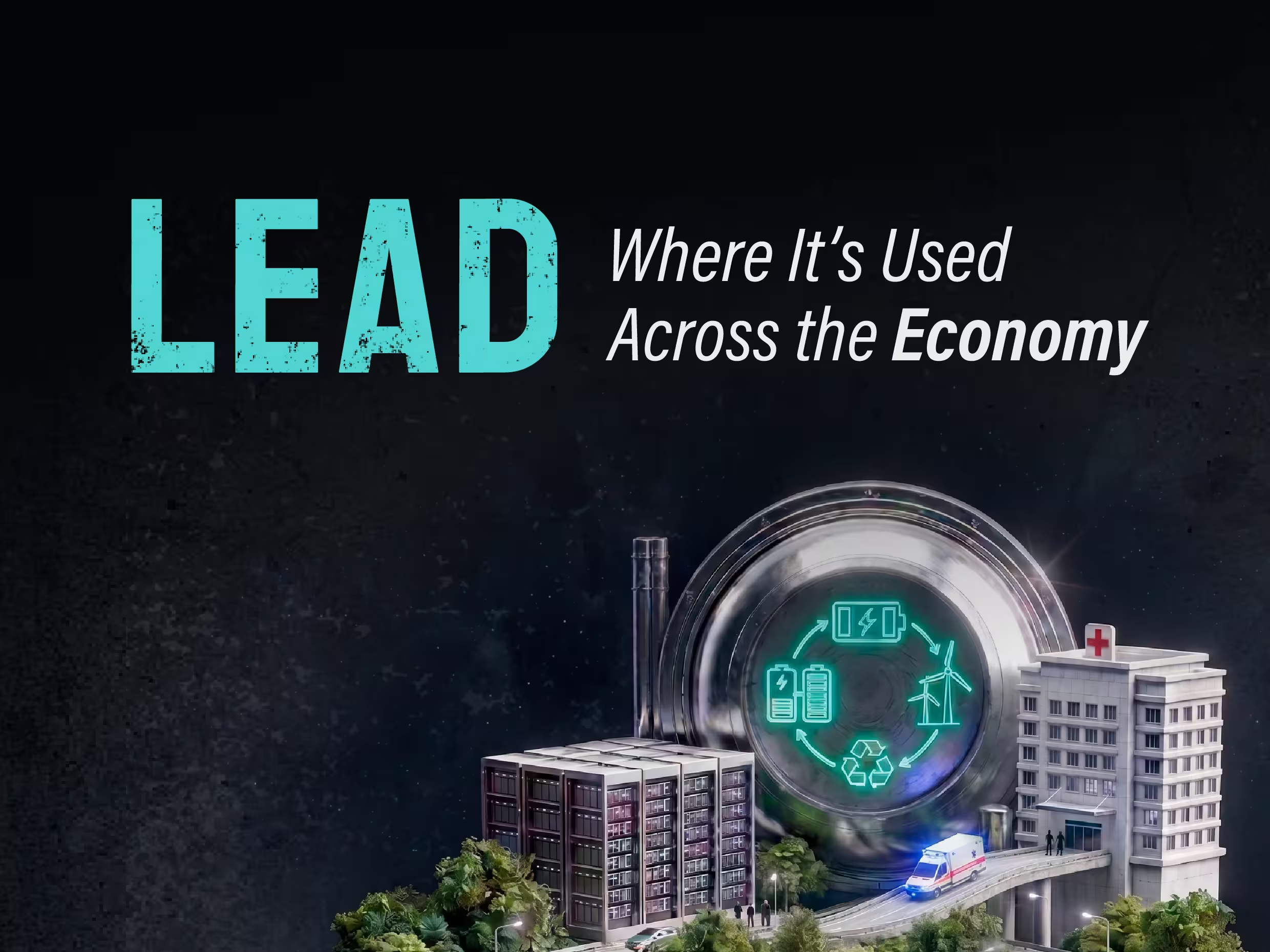
You are probably within a few feet of some lead right now. It sits in the starter battery of nearly every car, electric models included, in the backup power rooms of hospitals and data centres, and behind the walls of every X-ray suite. It is also the most recycled product in the United States, recovered mostly from spent batteries. So it came as a surprise to many when Washington added lead to its Final 2025 List of Critical Minerals in November, a label usually reserved for metals in short supply. Lead is not in short supply
The Age of Giants: How Mining Shovels Grew, Peaked, and Deliberately Shrank
The Age of Giants: How Mining Shovels Grew, Peaked, and Deliberately Shrank
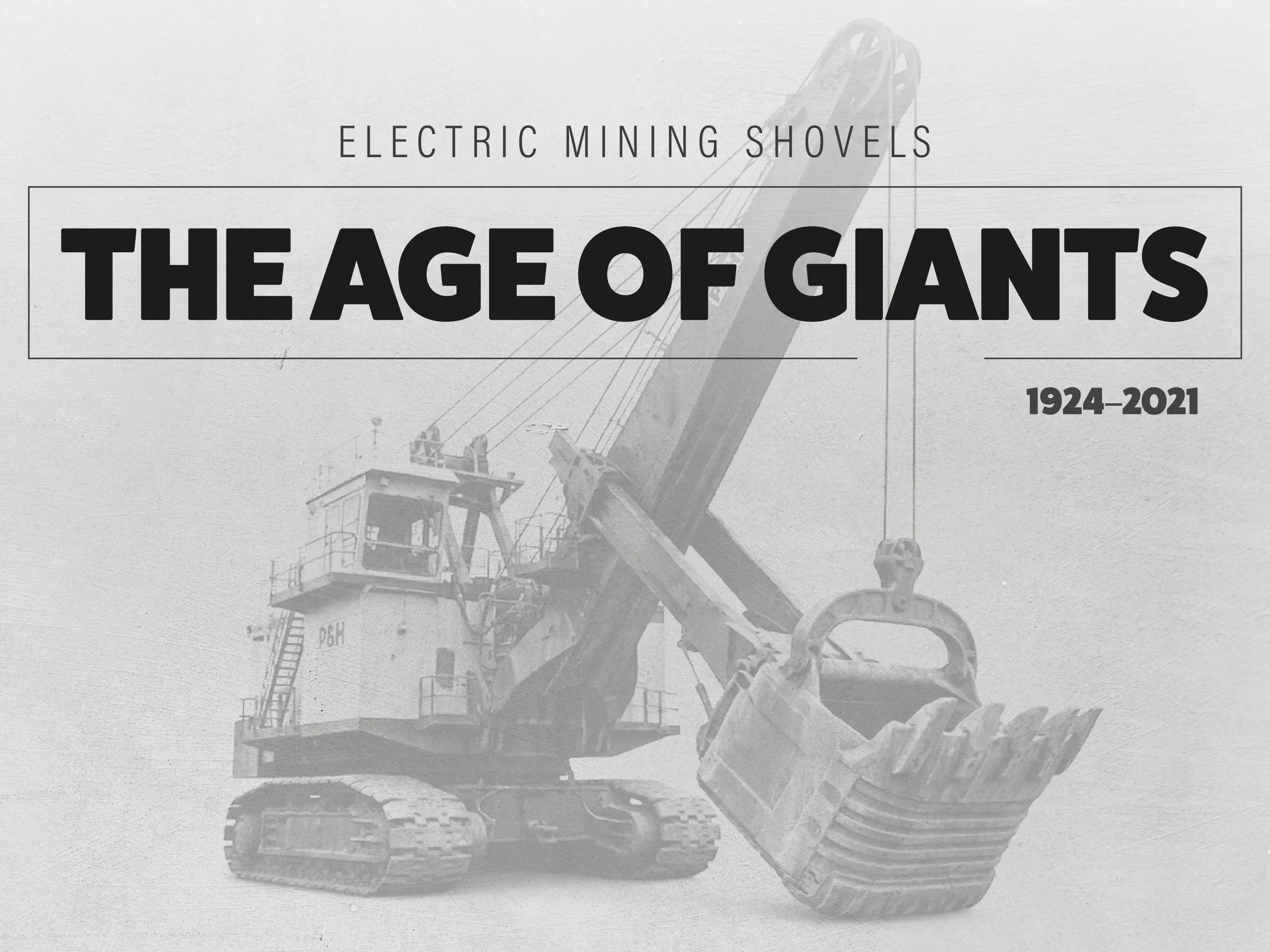
For four decades, the American coalfields hosted an engineering arms race measured in cubic metres of bucket. It ended not with a bigger machine, but with a deliberate retreat. The single largest mobile land machine ever built, the Marion 6360 "Captain," was commissioned in 1965 and destroyed by fire in 1991. No shovel has approached its scale since, and the machines that replaced it were smaller by design.
Where Indium Goes: The Metal Behind Screens, Chips, and Solar
Where Indium Goes: The Metal Behind Screens, Chips, and Solar
Indium is one of the metals you never see but use constantly. As indium tin oxide, it forms the transparent conductive coating on nearly every LCD and touchscreen, and that single application still accounts for most global consumption, according to the USGS. But the metal's role is broadening. Its compounds now sit inside the high-speed optical chips that route data through AI data centers, a shift that has turned a quiet, display-driven material into one buyers watch closely, especially as China refines about 70% of it and has begun tightening the flow.