Silver
Silver's Use Cases: A Visual Guide to Where the Metal Actually Goes
ONE 80% SILVER ALLOY QUIETLY SCRAMS NUCLEAR REACTORS, AND IT IS ONLY THE STRANGE
The following content is sponsored by Outcrop Silver


Somewhere inside a pressurized-water reactor, an alloy that is four-fifths silver is absorbing neutrons to keep the core in check, a job most silver investors have never heard of. It is a useful reminder that the metal people picture as coins and jewelry mostly works elsewhere, across industry. The infographic above maps that world across five categories, and the entries worth lingering on are the ones that rarely get explained: the catalyst, the bearing, the reactor rod, uses that exist because nothing else works as well.
Almost every category on the map traces back to one fact: silver is the best electrical and thermal conductor of any metal, and unlike copper it resists the oxide build-up that degrades a connection over time. That is why almost every computer, phone, automobile and appliance contains silver, and why entries that look unrelated share a logic: the sprayed-on silver antenna in an RFID tag, the membrane switch under a microwave button, the silver-oxide cell in a hearing aid. A car is full of it before any battery is involved. Every power window, starter and safety-critical switch, including airbag circuitry, runs on a silver-coated contact chosen because the connection must close cleanly every time, adding up to over 60 million ounces a year across the global fleet.
Two automotive lines have especially concrete mechanisms. The amber grid baked into a rear windshield is the defogger, made by screen-printing a paste of roughly 70 to 80% silver powder onto the glass and firing it. And silver's near-universal presence in circuit-board joints is partly regulatory: after Europe's RoHS directive restricted lead solder in 2006, assembly moved to silver-tin-copper alloys containing about 45% silver.
The most surprising line on the graphic is "Ethylene Oxide Catalysts," because it connects silver to products no one associates with it. Silver is the indispensable catalyst for two foundational chemicals, and ethylene oxide alone needs nearly 10 million ounces a year. Ethylene oxide builds polyester, and about 25% of its output becomes antifreeze; a second silver catalyst makes the formaldehyde in plywood resins and coatings. Because the silver drives the reaction without being consumed, it is almost completely recovered afterward, part of why 2025 recycling hit a 12-year high of 197.6 Moz.
Several uses survive purely because silver cannot practically be swapped out. Jet-engine bearings are electroplated with it because it stays strong at extreme heat and doubles as a lubricant, so an oil-pump failure ends in a controlled shutdown rather than a seizure. The "Nuclear Control Rods" line is the most strategically loaded: many pressurized-water reactors absorb neutrons with a silver-indium-cadmium alloy of about 80% silver, and a single reactor can hold thousands of kilograms of it.
In medicine the driver is biological. Silver ions penetrate bacterial cell walls without harming mammalian cells, which is why the metal coats catheters, breathing tubes and wound dressings, and is dosed into water systems to hold back bacteria. As antibiotic-resistant superbugs spread, that physical mode of killing is exactly the appeal. The same logic, plus durability, keeps silver in the mouth: dental amalgam is a mix of silver, tin and copper bound with mercury.
Consumer and investment, the categories most people start with, were 2025's laggards. Jewelry fell 8% and silverware 21% as record prices crushed discretionary buying, led by a 20% drop in India, while investment rose 14%, a rebound MiningVisuals covered separately. The pattern is the real takeaway: the price-sensitive, consumer-facing uses retreat when silver spikes, while the uses physics or chemistry demands, the catalysts, contacts, bearings, biocides and absorber rods, are the floor under demand, and the part of the map the chart shows but cannot explain.
Outcrop Silver is a leading explorer and developer focused on advancing its flagship Santa Ana high-grade silver project in Colombia. Leveraging a disciplined and seasoned team of professionals with decades of experience in the region. Outcrop Silver is dedicated to expanding current mineral resources through strategic exploration initiatives.
At the core of our operations is a commitment to responsible mining practices and community engagement, underscoring our approach to sustainable development. Our expertise in navigating complex geological and market conditions enables us to consistently identify and capitalize on opportunities to enhance shareholder value.
With a deep understanding of the Colombian mining landscape and a track record of successful exploration, Outcrop Silver is poised to transform the Santa Ana project into a significant silver producer, contributing positively to the local economy and setting new standards in the mining industry.
Learn more about Outcrop Silver at https://outcropsilver.com/
MiningVisuals Disclaimer: This article is for informational purposes only and does not constitute financial or investment advice. Always conduct your own research.

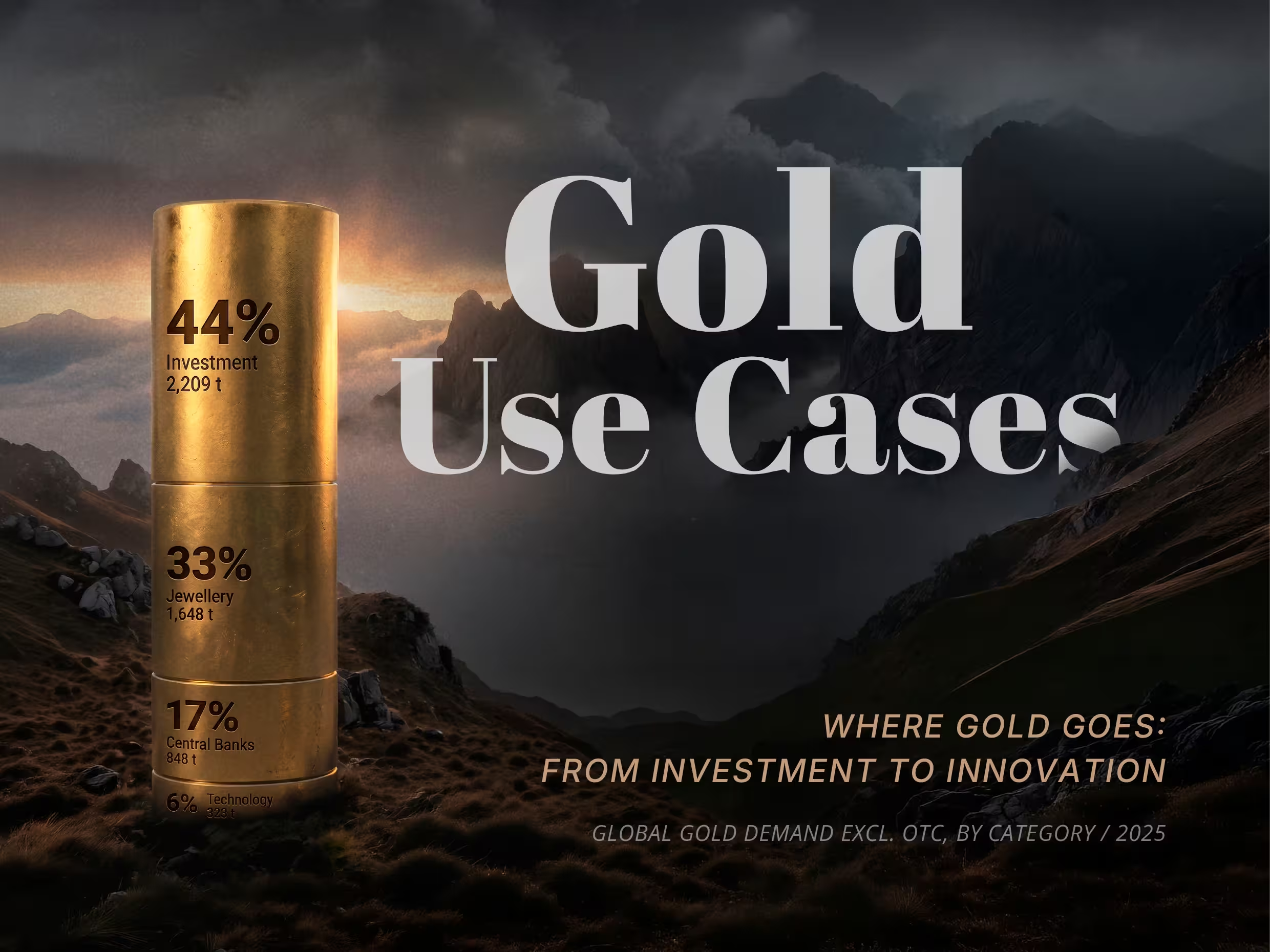
On June 16, 2026, the World Gold Council published its annual survey of central banks. A record 45% of the 76 respondents said they plan to increase their own gold holdings over the next 12 months, and 89% expect global central bank holdings to rise, according to the council. Central banks are one of four uses for the gold bought each year, and the balance between them has changed. In 2010, jewellery took 49% of demand and investment 39%, according to the council's data tables. In 2025, the order reversed: investment took 44% and jewellery 33%.
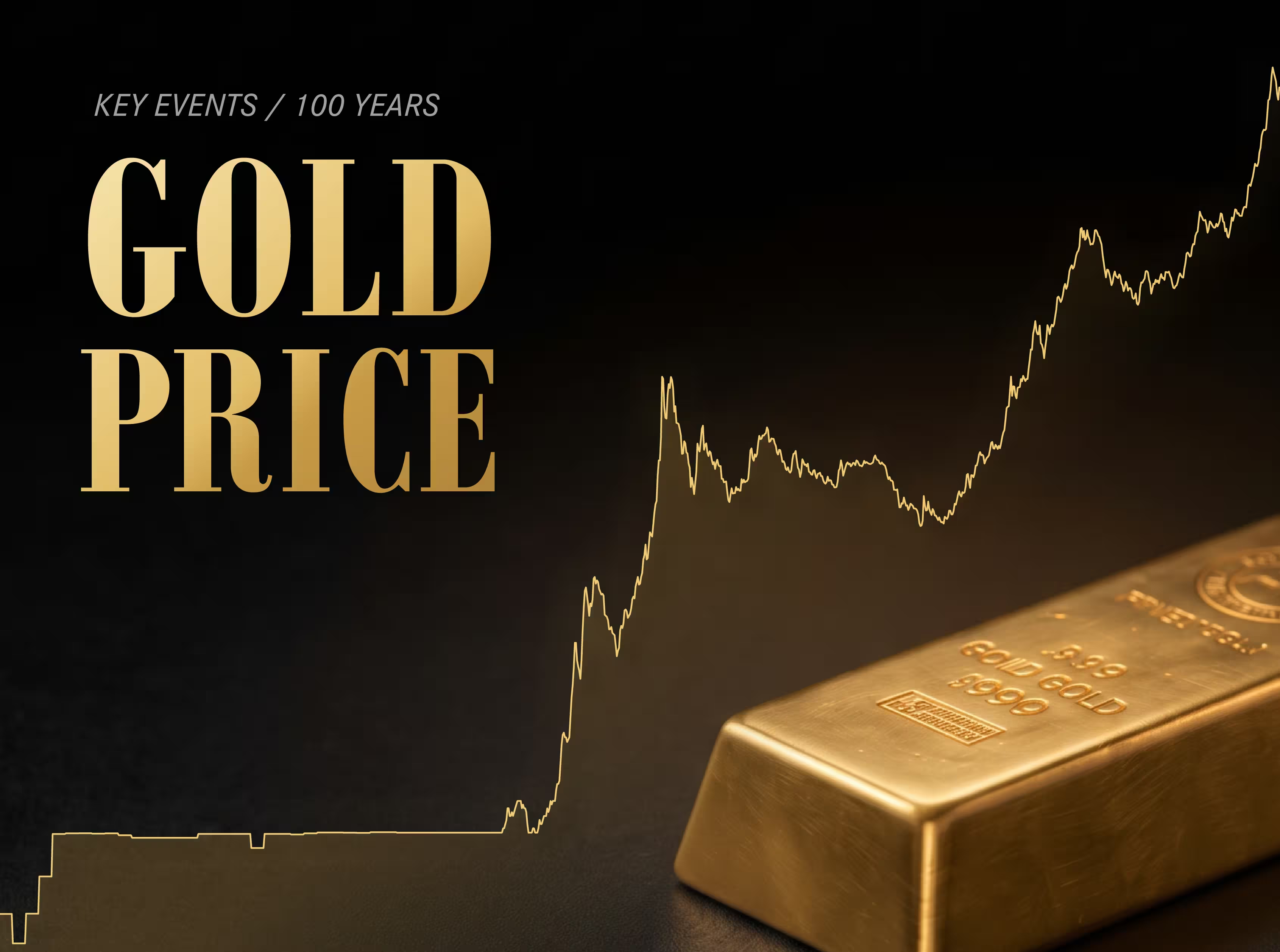
In 1934, the US government set the price of gold at $35 an ounce. In September 2026, the market price averaged $4,319. Measured in today's money, gold has done more than keep up with rising prices. An ounce is now worth almost five times what it was when the price was set in 1934, and more than at the famous 1980 peak. For the companies that mine it, that has meant record margins.

The largest silver producer among the world's primary silver mines in 2025 sat not in Mexico but in southwestern Bolivia. San Cristóbal, a large open-pit silver-zinc-lead mine run by Minera San Cristóbal, produced 17.6 million ounces of silver, narrowly ahead of Mexico's Juanicipio at the same rounded figure, in new Metals Focus data on the 20 largest primary silver mines. These are the operations where silver is a defining product rather than an incidental byproduct of lead, zinc and gold. The list runs from centuries-old mines in Mexico's silver belt to remote sites in the Andes, the Australian outback and the Alaskan wilderness. Eight of the 20 sit in Mexico, together about 44% of the total, while the rest are spread across the Americas, Asia, Africa and Australia.
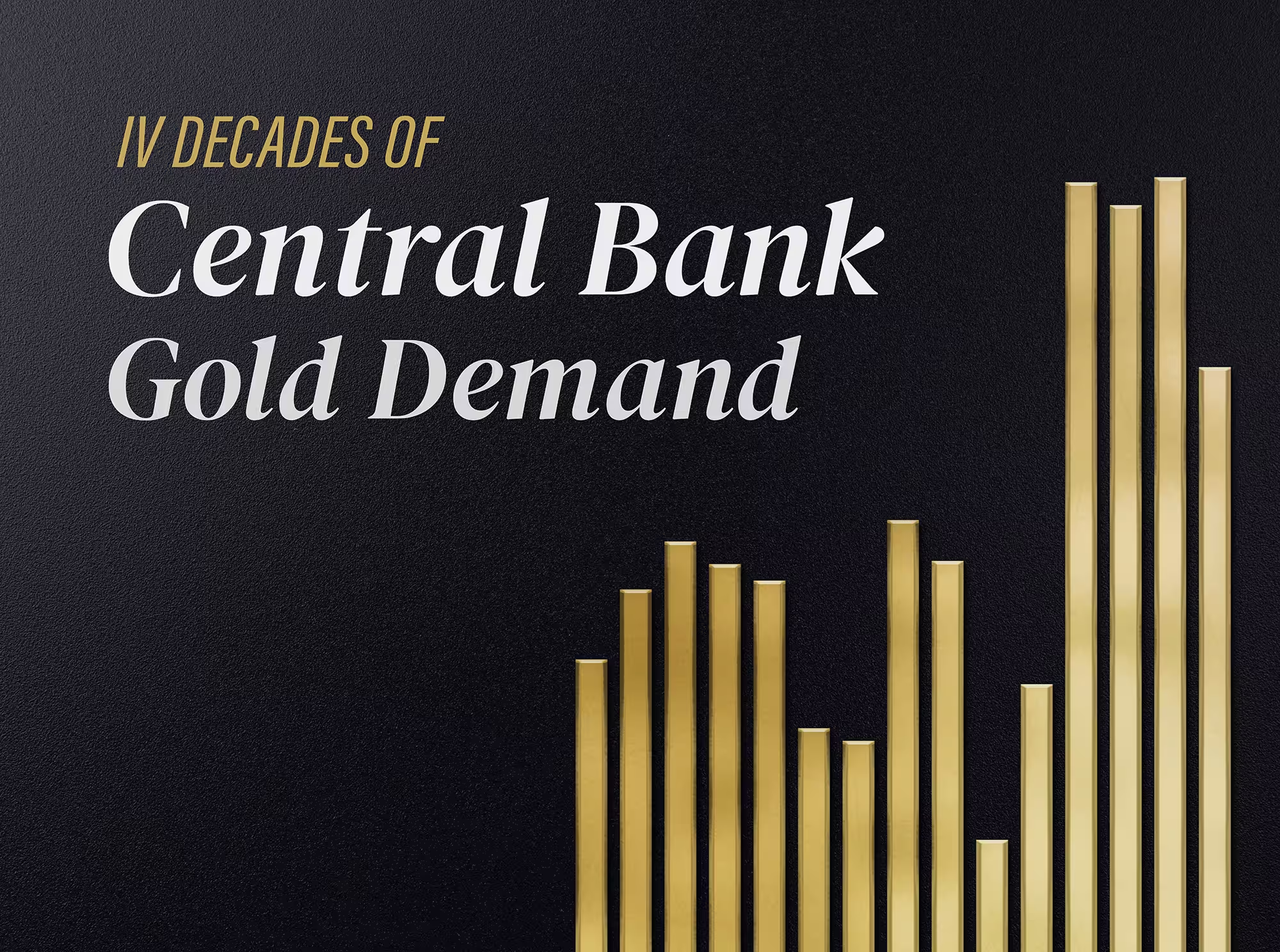
Central banks bought more gold between April and June 2026 than in any second quarter on record, according to a World Gold Council report published on July 30. That keeps them net buyers this year, as they have been every year since 2010. Underneath, the picture is changing. Russia and Türkiye, both big buyers in the past, have been selling.