Commodities
Pakistan’s Mineral Export Outlook to 2039 and the Pipeline Behind It
From US$932 million in 2025 to US$10.46 billion a year by 2039, in a tentative government outlook
This infographic was produced in partnership with the Pakistan Minerals Investment Forum 2026.
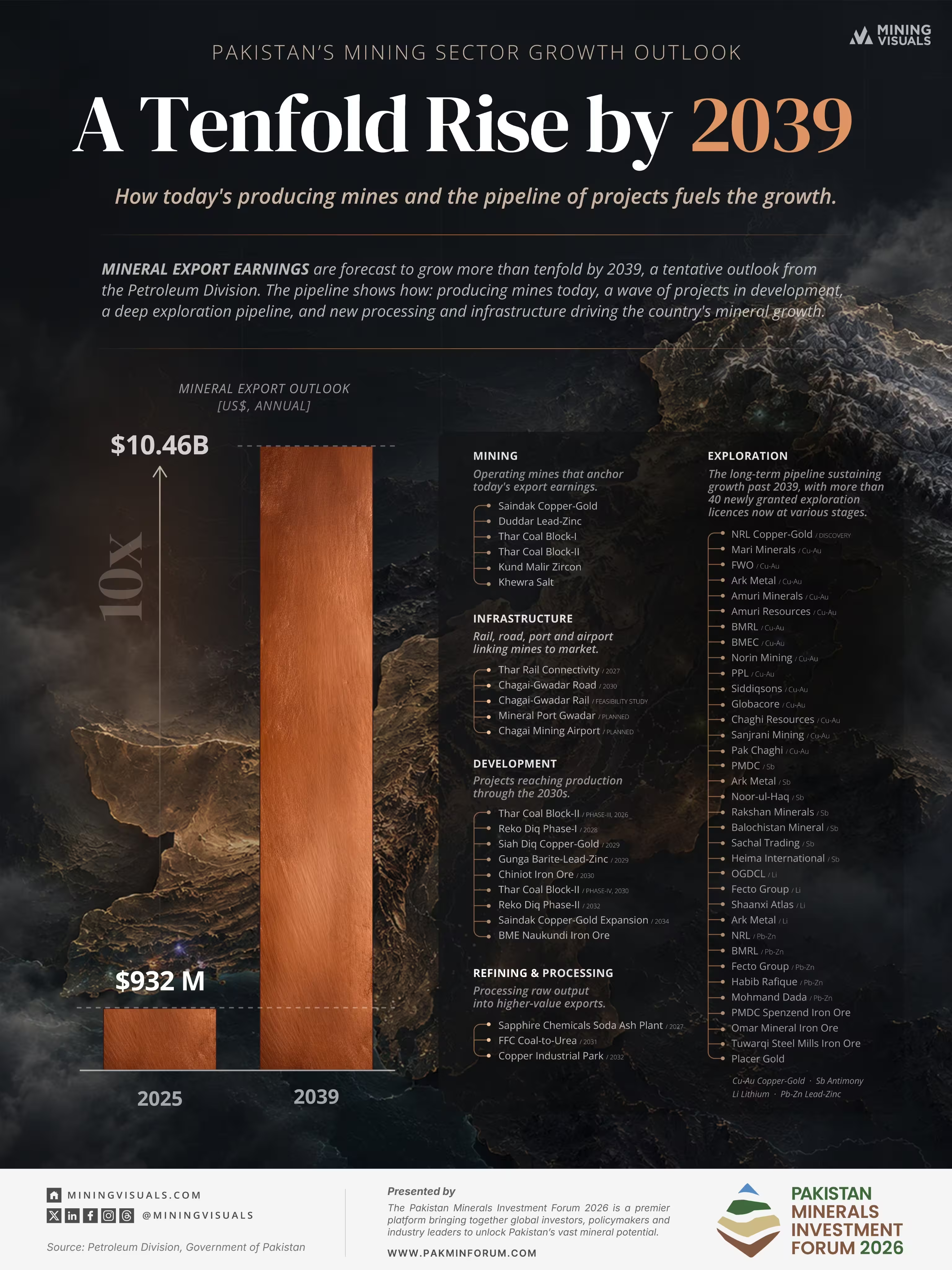

Five Stages of Projects: The outlook groups the projects behind it into mines, development projects, infrastructure, processing plants and exploration licences.
996 km Rail Upgrade Proposed: Planning documents propose renewing 996 km of the Rohri to Taftan rail corridor to carry Reko Diq minerals.
Coal-to-Urea in Thar: A planned US$1.12 billion plant in Sindh would turn Thar coal into about 717,000 tons of urea a year.
Pakistan’s mineral export earnings could reach US$10.46 billion a year by 2039, up from US$932 million in 2025, according to a tentative outlook from the Petroleum Division. Other estimates start from a higher base: a projection by the Institute of Cost and Management Accountants of Pakistan, reported by APP, puts current mineral exports at about US$3 billion.
Most of the pipeline in the outlook is still ahead of production. Recent public detail covers three parts of it: copper development in Chagai, a rail upgrade toward the Iranian border, and a coal-to-urea plant in Thar.
Development Projects Beyond Copper
In Khuzdar district, Balochistan, Pakistan Petroleum Limited (PPL) and the Government of Balochistan are joint venture partners in a barite, lead and zinc project, with PPL’s mining arm BME as operator, according to a PPL filing to the Pakistan Stock Exchange. A 2025 amendment added a lead and zinc mining lease to the existing barytes area at Gunga. In June 2026, PPL said the project had entered its execution phase after signing a project management consultancy contract with DMT of Germany, The News reported.
In Punjab, the provincial mines department is acquiring land for an iron ore and steel project at Chiniot, APP reported in April 2026. Reko Diq, also in the development stage, is covered in our October brief on the world’s largest copper mines.
Rail Upgrade From Rohri to Taftan
Planning documents seen by Arab News propose upgrading the ML-3 corridor between Rohri in Sindh and Taftan in Balochistan to carry minerals from Reko Diq. The plan covers 996 km of line, including the renewal of 831 km of track and 11 new stations, at a cost of Rs278.6 billion, about US$995 million. Work would run in two phases from July 2026 to June 2033. The planning document states that existing roads in the region are “incapable of handling the large-scale transportation requirements of the mining project.”
Coal-to-Urea in Thar
A coal-to-fertiliser project in Tharparkar district, backed by the Sindh administration, would cost US$1.12 billion and produce about 717,000 tons of urea a year, Arab News reported. About half of the output would go to domestic use and the rest to export. The project aims to reduce Pakistan’s reliance on imported fertiliser and natural gas.
MiningVisuals Disclaimer: This article is for informational purposes only and does not constitute financial or investment advice. Always conduct your own research.

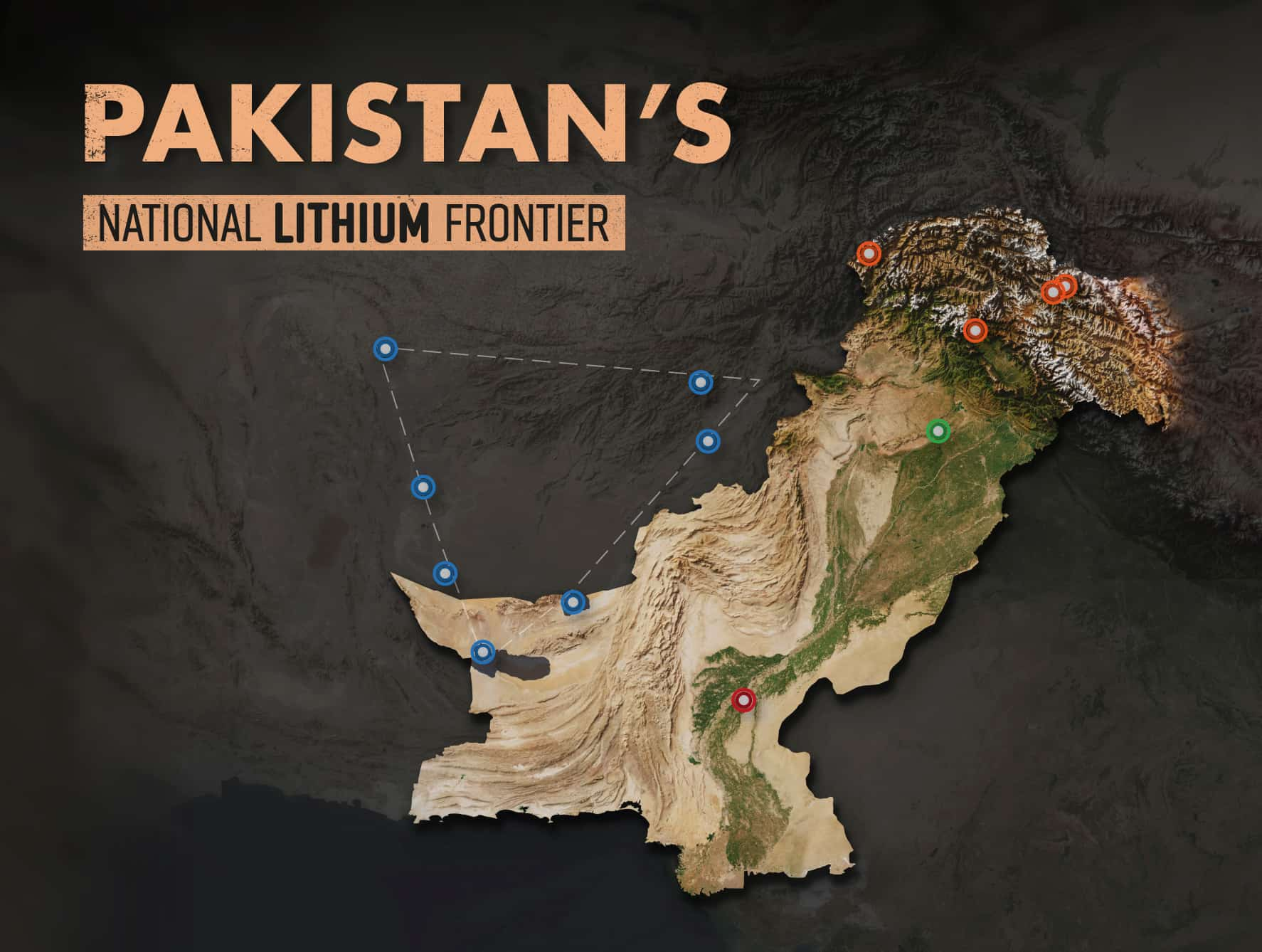
Lithium has been reported in four geological settings in Pakistan: brine lakes in Balochistan, geothermal well brine in Sindh, pegmatites in the northern mountains and clays in the Salt Range. A 2025 concept note by Geological Survey of Pakistan scientists describes these occurrences as potential and gives no resource estimates.
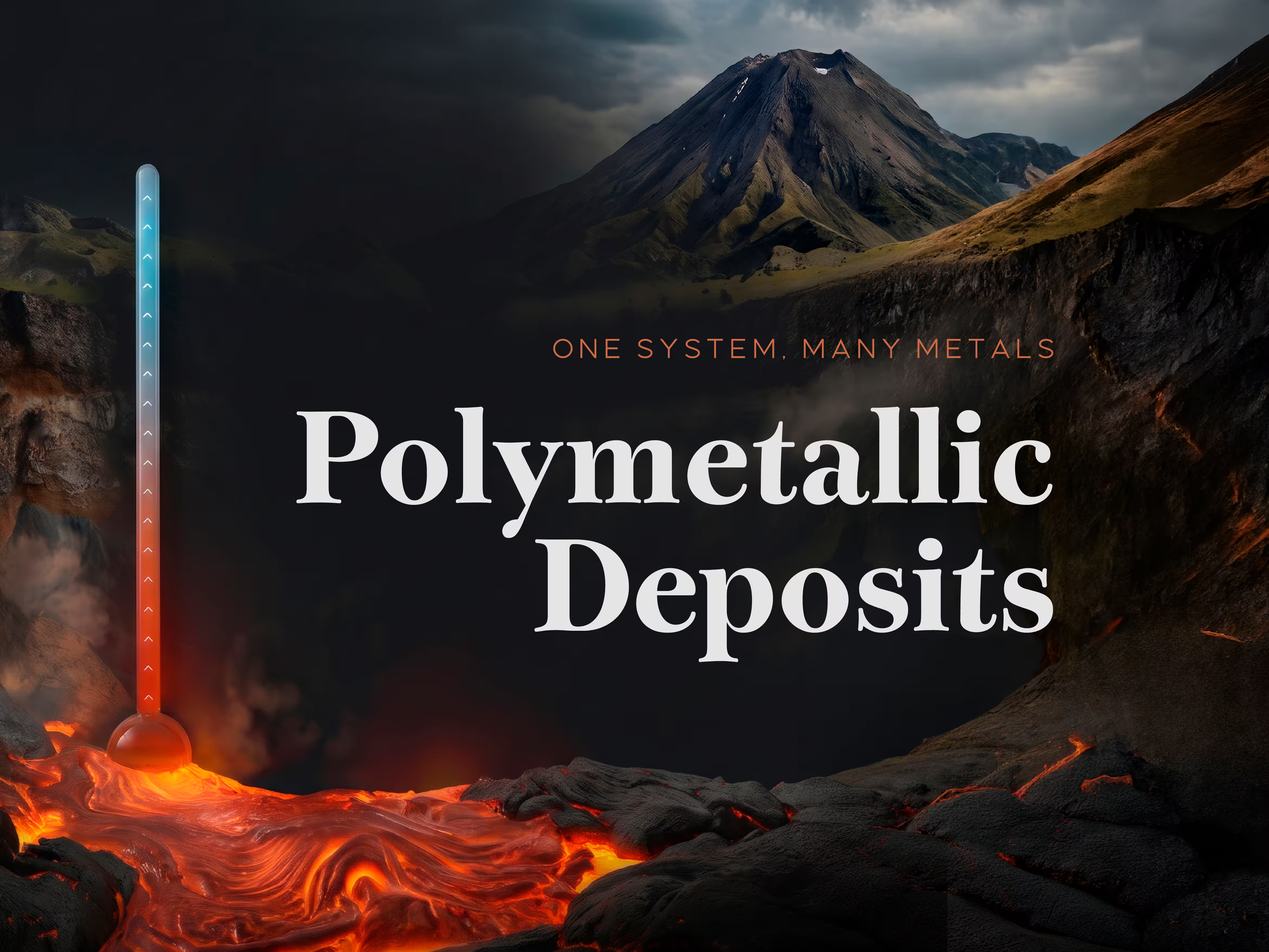
On November 6, 2025, the U.S. Interior Department added copper, silver and lead to its final critical minerals list, among 10 new entries. All three are main metals of a polymetallic deposit, where the USGS vein model places them in zones around a single intrusion. Silver shows how closely these metals are linked. The USGS says U.S. silver is "primarily obtained as a byproduct from lead-zinc, copper, and gold mines", and six smaller metals on the infographic reach the market the same way.

In April 2025, on Tesla’s Q1 earnings call, Elon Musk told investors that Optimus, the company’s humanoid robot, had been held up by a problem few outside the rare earth industry had been watching. “Optimus was affected,” he said, “by the magnet issue from China because the Optimus actuators in the arm do use permanent magnets” (Adamas Intelligence).
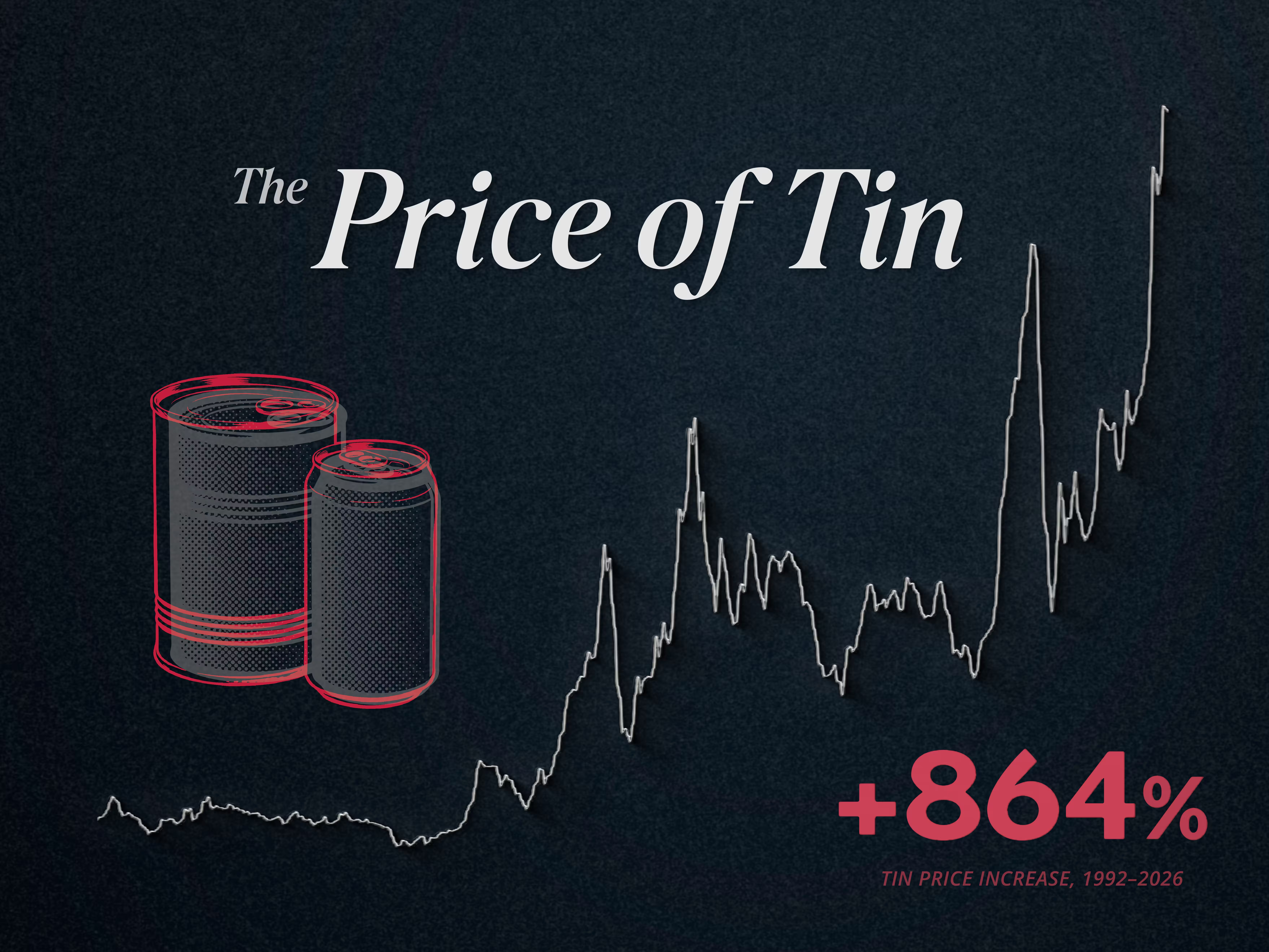
In January 2026, the London Metal Exchange three-month tin contract closed at US$53,462 a tonne, a nominal all-time high that surpassed the March 2022 peak, and it has traded near those levels since. The puzzle is that there is no shortage of tin today: exchange inventories actually rose as the price climbed, rather than being drawn down. Two very different things are holding the price up. The first is short-term: a wave of investor buying, which the industry says drove the January jump. The second is long-term: on current forecasts, the world will not mine enough tin to meet demand later this decade, a gap already projected before the rally began and expected to persist after it fades. The lasting story is that forecast shortfall, not the spike.