Commodities
Where Lithium Has Been Identified Across Pakistan
Lithium is reported in four settings, from Chagai brine lakes to Himalayan pegmatites
This infographic was produced in partnership with the Pakistan Minerals Investment Forum 2026.


Brine Lakes in Balochistan: Geological Survey of Pakistan scientists cite potential lithium brines in Hamun-i-Lora and Hamun-i-Mashkhel in Balochistan.
275 mg/L in Sindh Well Brine: OGDC measured 275 milligrams of lithium per litre in water from the Wahid Bakhsh geothermal well in Sindh.
Extraction Research Under Way: OGDCL signed an agreement with PINSTECH to develop technology for commercial-scale lithium extraction from geothermal brines.
Lithium has been reported in four geological settings in Pakistan: brine lakes in Balochistan, geothermal well brine in Sindh, pegmatites in the northern mountains and clays in the Salt Range. A 2025 concept note by Geological Survey of Pakistan scientists describes these occurrences as potential and gives no resource estimates.
The most recent measurement comes from Sindh, where OGDC tested water from a geothermal well in 2026. In Balochistan, the north and the Salt Range, the evidence comes from geological studies of lake basins, pegmatites and clays.
Geothermal Brine at Wahid Bakhsh, Khairpur
OGDC found lithium in formation water from a high-temperature geothermal well in its pilot geothermal programme in Sindh, The News reported in July 2026. The company plans detailed brine chemistry profiling and resource confirmation studies.
In August, the paper reported a concentration of 275 milligrams per litre at the Wahid Bakhsh well in Khairpur district. OGDCL has signed an agreement with the Pakistan Institute of Nuclear Science and Technology (PINSTECH) to develop technology for commercial-scale extraction of lithium from geothermal brines.
Closed-Basin Lakes in Balochistan and Sindh
Geological Survey of Pakistan geologists Rahat Ullah and Mukhtiar Ghani cite potential lithium brines in closed-basin lakes, naming Hamun-i-Lora and Hamun-i-Mashkhel. Their note also lists the Rann of Kach, a salt marsh along Sindh’s southeastern border that is not shown on the map.
Pegmatites in the North and Clays in the Salt Range
The same note describes lithium-bearing pegmatites and feldspar-rich granites as widespread along the Himalayan pegmatite belt. It names lithium-tourmaline and lepidolite pegmatites at Shengus and in the Shigar valley of Gilgit-Baltistan, and pegmatite areas in the Neelum, Muzaffarabad and Kara valleys of Kashmir. Granite samples from the Hindukush contained 27.5 to 469 ppm lithium. The authors also report lithium-rich hectorite in the clay formations of the Salt Range.
MiningVisuals Disclaimer: This article is for informational purposes only and does not constitute financial or investment advice. Always conduct your own research.

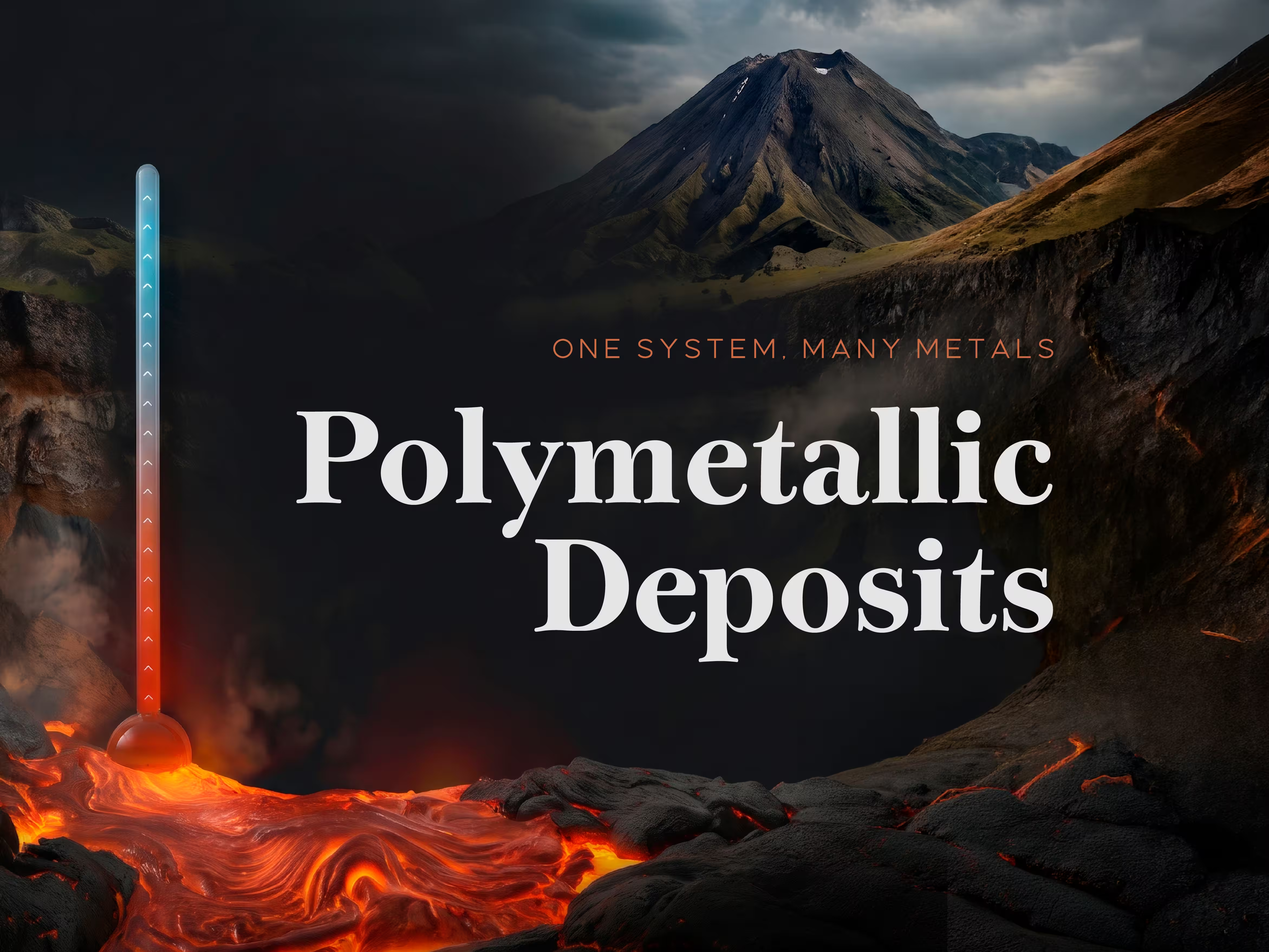
On November 6, 2025, the U.S. Interior Department added copper, silver and lead to its final critical minerals list, among 10 new entries. All three are main metals of a polymetallic deposit, where the USGS vein model places them in zones around a single intrusion. Silver shows how closely these metals are linked. The USGS says U.S. silver is "primarily obtained as a byproduct from lead-zinc, copper, and gold mines", and six smaller metals on the infographic reach the market the same way.

In April 2025, on Tesla’s Q1 earnings call, Elon Musk told investors that Optimus, the company’s humanoid robot, had been held up by a problem few outside the rare earth industry had been watching. “Optimus was affected,” he said, “by the magnet issue from China because the Optimus actuators in the arm do use permanent magnets” (Adamas Intelligence).
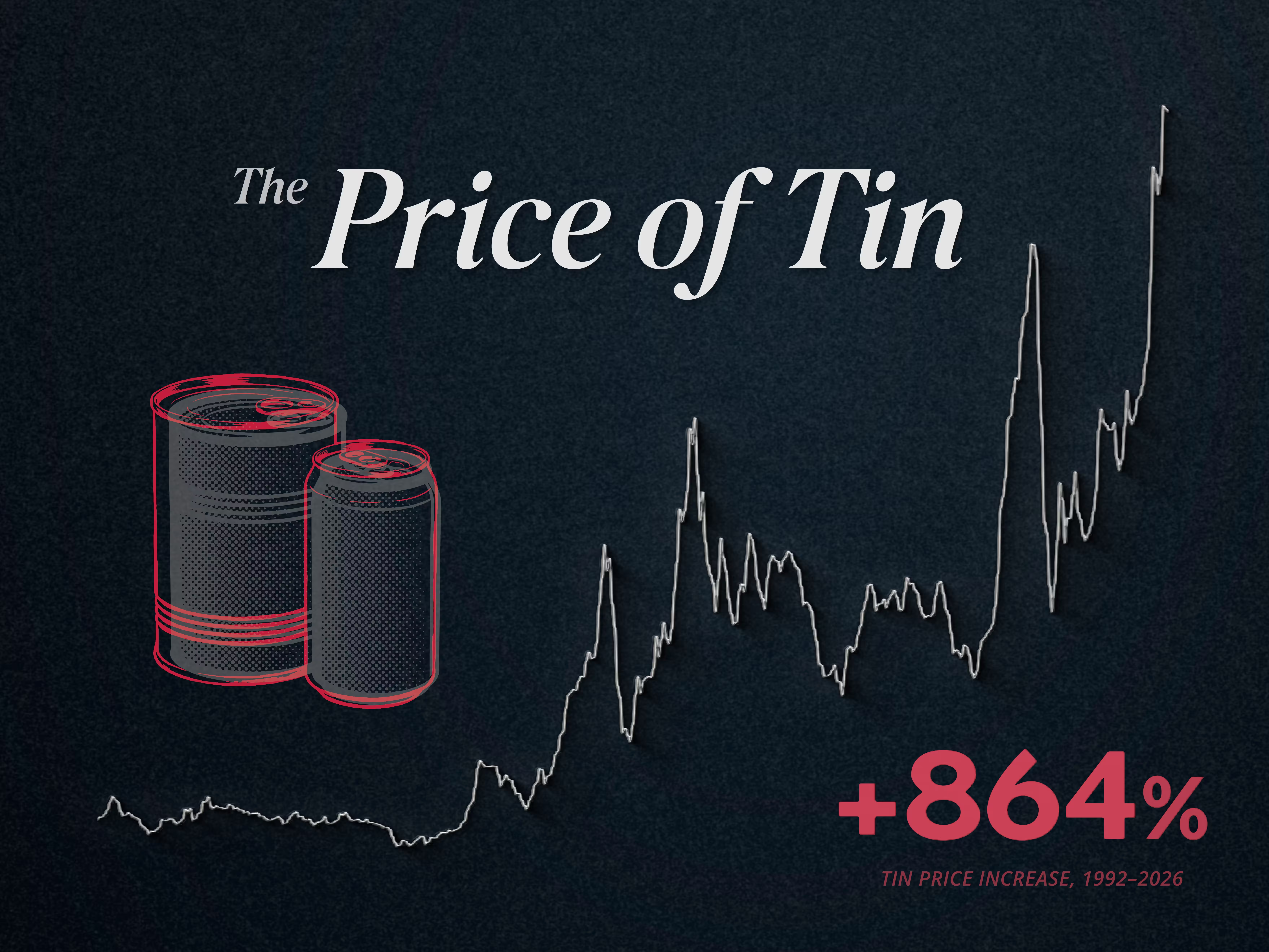
In January 2026, the London Metal Exchange three-month tin contract closed at US$53,462 a tonne, a nominal all-time high that surpassed the March 2022 peak, and it has traded near those levels since. The puzzle is that there is no shortage of tin today: exchange inventories actually rose as the price climbed, rather than being drawn down. Two very different things are holding the price up. The first is short-term: a wave of investor buying, which the industry says drove the January jump. The second is long-term: on current forecasts, the world will not mine enough tin to meet demand later this decade, a gap already projected before the rally began and expected to persist after it fades. The lasting story is that forecast shortfall, not the spike.
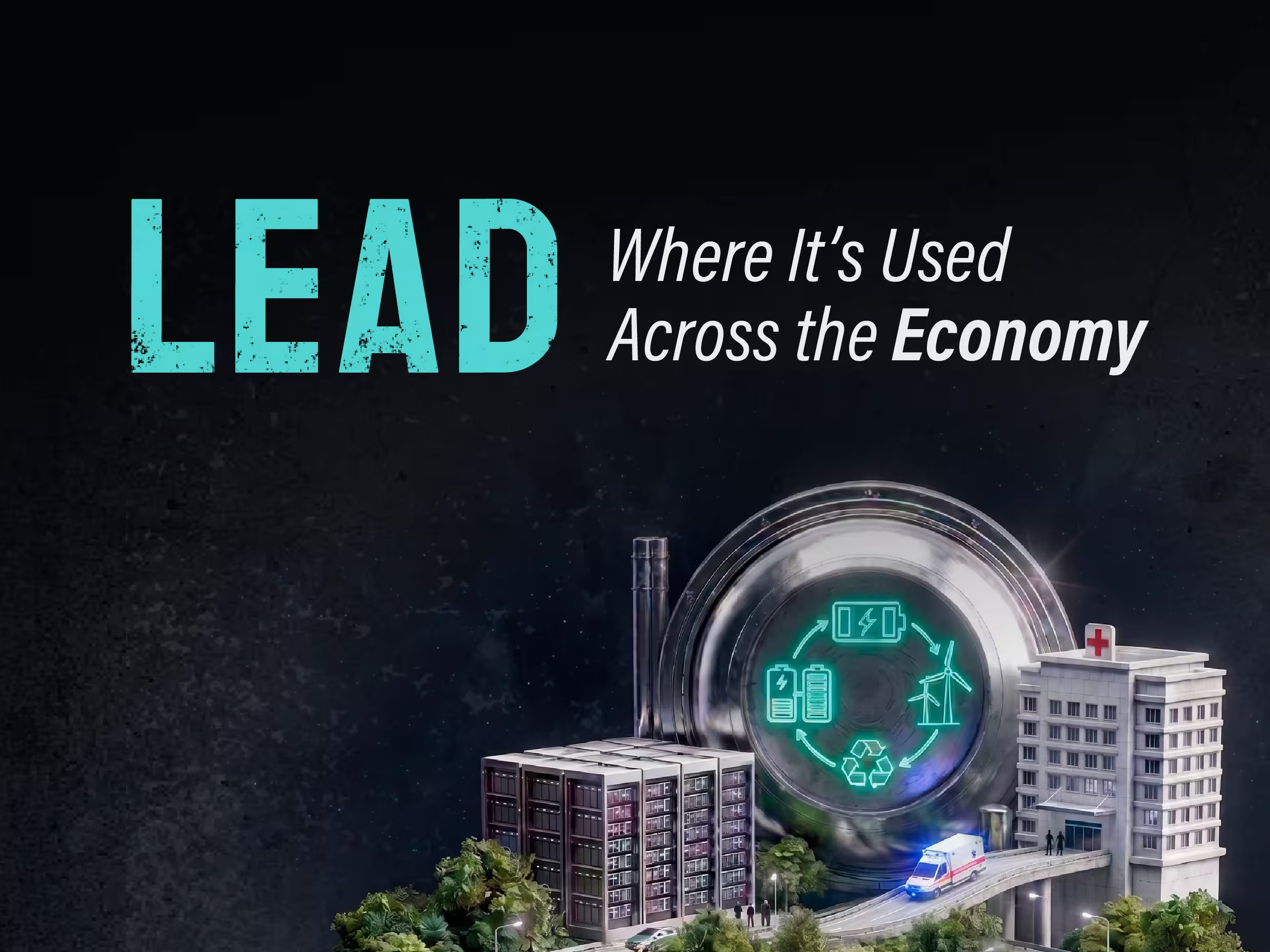
You are probably within a few feet of some lead right now. It sits in the starter battery of nearly every car, electric models included, in the backup power rooms of hospitals and data centres, and behind the walls of every X-ray suite. It is also the most recycled product in the United States, recovered mostly from spent batteries. So it came as a surprise to many when Washington added lead to its Final 2025 List of Critical Minerals in November, a label usually reserved for metals in short supply. Lead is not in short supply