Zinc
March 13, 2023
1 min
Zinc


Zinc production has undergone a dramatic transformation over the past three decades. Between 1995 and 2023, the industry saw once-dominant producers fade while new powerhouses emerged. This shift, driven by industrial growth, economic policies, and resource availability, reshaped the global supply chain.
China’s zinc production skyrocketed from 1,000,600 tons in 1995 to 4,000,000 tons in 2023, making it the global leader. Rapid industrialization, surging demand for galvanized steel, and massive infrastructure projects fueled this growth. Government support, heavy investment in smelting capacity, and low production costs further boosted output, driving continuous expansion.
Canada, the leading zinc producer in 1995 with 1,121,172 tons, saw its output plummet to 250,000 tons by 2023. This decline resulted from major mine closures (Brunswick, Selbaie), a lack of new discoveries, and competition from lower-cost producers. Price volatility, stricter environmental regulations, and high mining costs reduced investment, while companies shifted focus to more profitable metals like gold and copper. Additionally, increased zinc recycling lowered demand for new production.
India’s zinc production surged to 860,000 tons in 2023, driven by industrial growth and mining expansion. Rapid urbanization and rising demand for galvanized steel in construction and infrastructure fueled this increase. The 2002 privatization of Hindustan Zinc Limited (HZL) led to major investments in mining and smelting, while supportive policies and a booming auto sector further accelerated growth.
Other Key Players (2023):
- Peru: 1,400,000 tons
- Australia: 1,100,000 tons
- United States: 750,000 tons
- Mexico: 690,000 tons
- Bolivia: 490,000 tons
- Kazakhstan: 330,000 tons
Source: U.S. Geological Survey, Mineral Commodity Summaries, January 2024





Explore More
View All

Behind Tin's 2026 Record High
Behind Tin's 2026 Record High
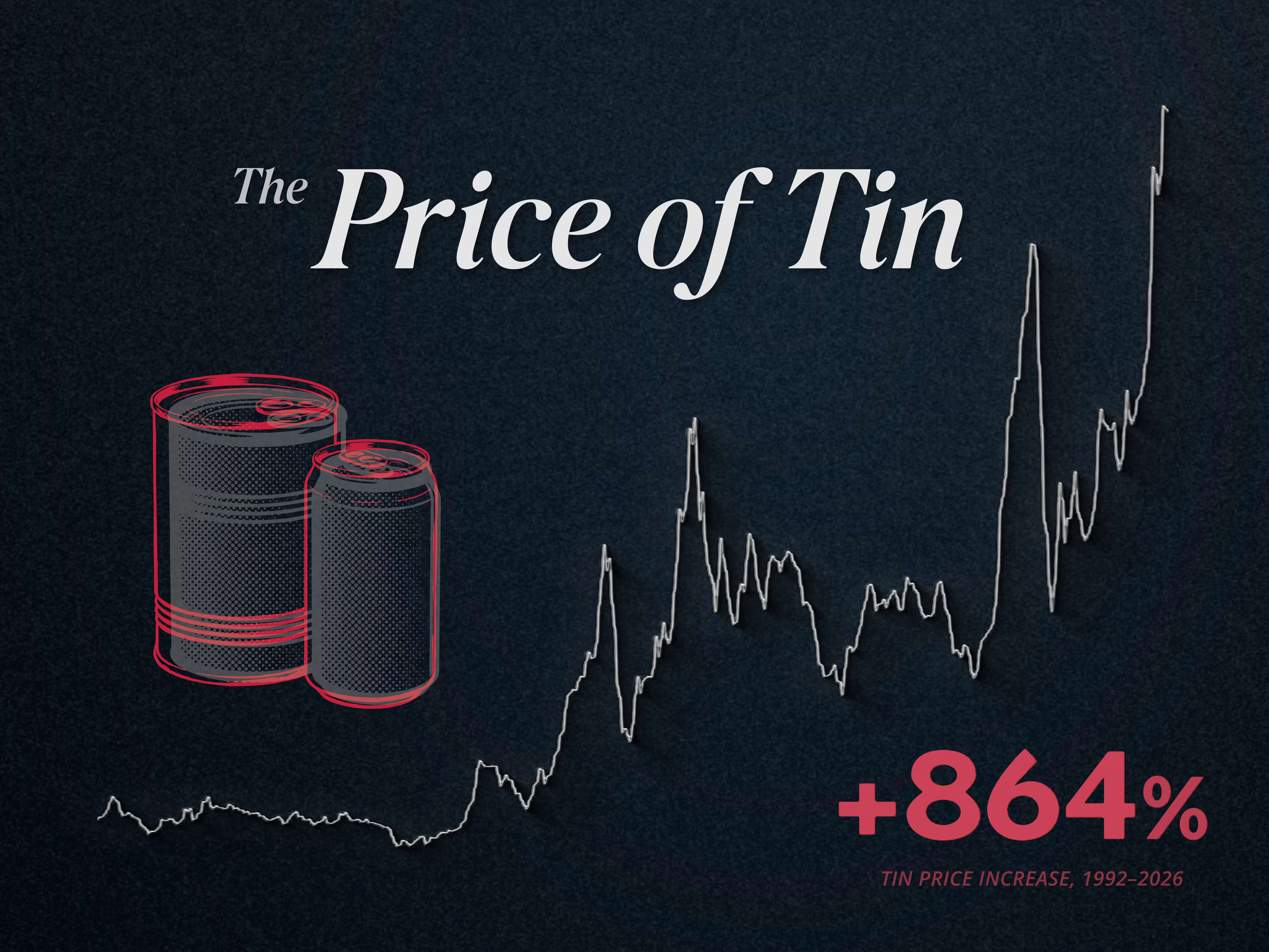
In January 2026, the London Metal Exchange three-month tin contract closed at US$53,462 a tonne, a nominal all-time high that surpassed the March 2022 peak, and it has traded near those levels since. The puzzle is that there is no shortage of tin today: exchange inventories actually rose as the price climbed, rather than being drawn down. Two very different things are holding the price up. The first is short-term: a wave of investor buying, which the industry says drove the January jump. The second is long-term: on current forecasts, the world will not mine enough tin to meet demand later this decade, a gap already projected before the rally began and expected to persist after it fades. The lasting story is that forecast shortfall, not the spike.
Lead Powers the World's Batteries, and Its Map of Demand Is Shifting East
Lead Powers the World's Batteries, and Its Map of Demand Is Shifting East
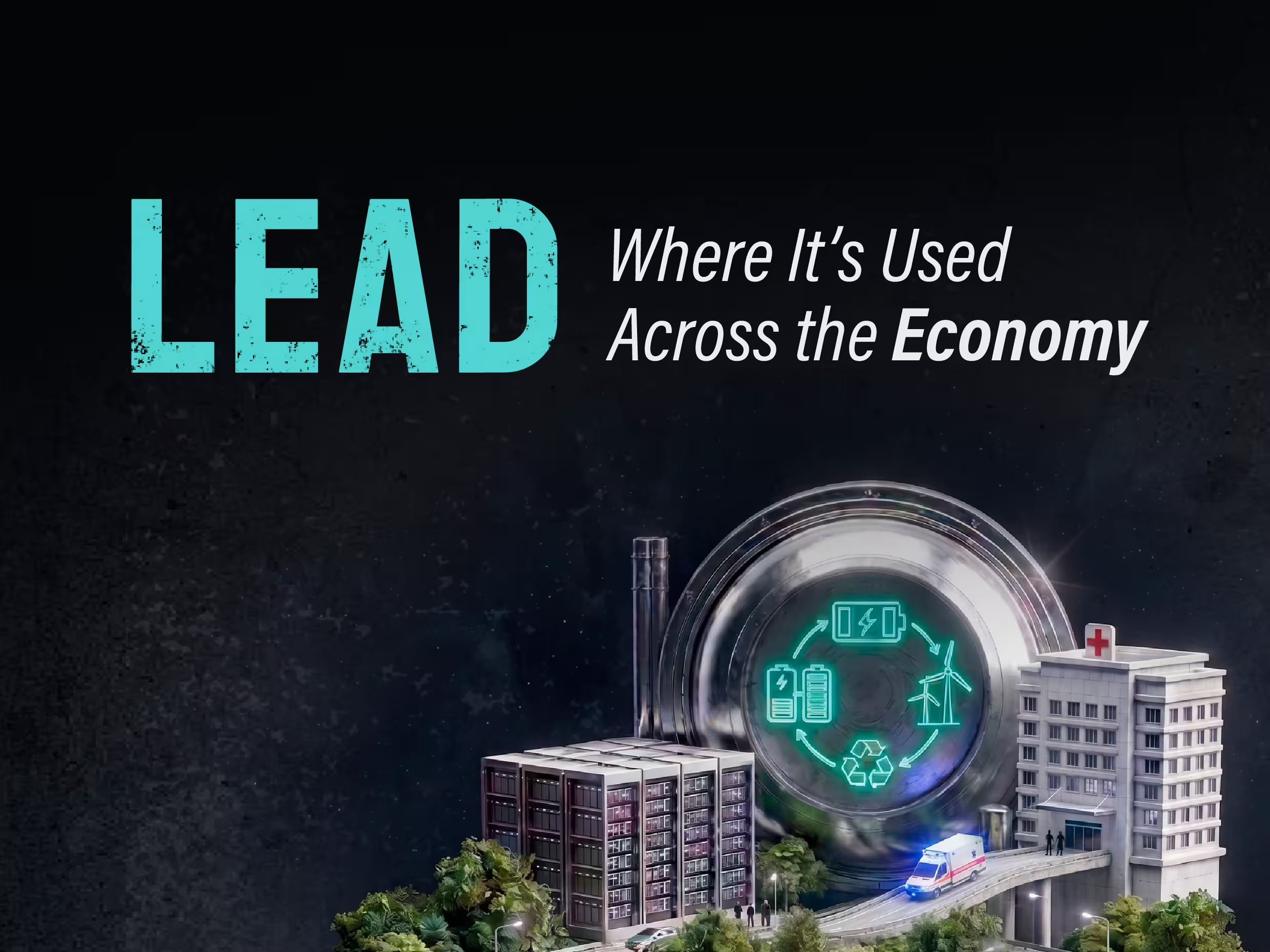
You are probably within a few feet of some lead right now. It sits in the starter battery of nearly every car, electric models included, in the backup power rooms of hospitals and data centres, and behind the walls of every X-ray suite. It is also the most recycled product in the United States, recovered mostly from spent batteries. So it came as a surprise to many when Washington added lead to its Final 2025 List of Critical Minerals in November, a label usually reserved for metals in short supply. Lead is not in short supply
The Age of Giants: How Mining Shovels Grew, Peaked, and Deliberately Shrank
The Age of Giants: How Mining Shovels Grew, Peaked, and Deliberately Shrank
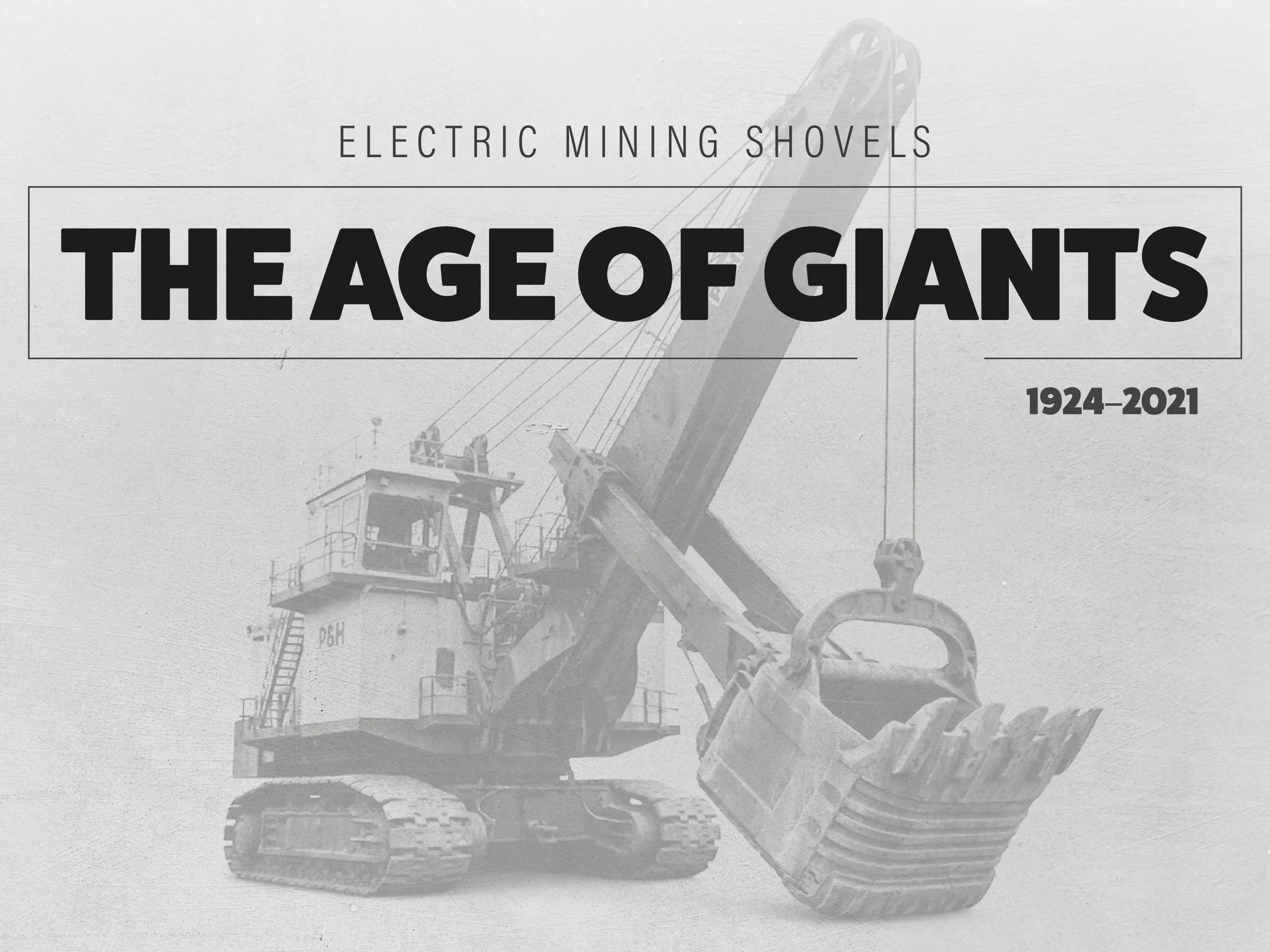
For four decades, the American coalfields hosted an engineering arms race measured in cubic metres of bucket. It ended not with a bigger machine, but with a deliberate retreat. The single largest mobile land machine ever built, the Marion 6360 "Captain," was commissioned in 1965 and destroyed by fire in 1991. No shovel has approached its scale since, and the machines that replaced it were smaller by design.
Where Indium Goes: The Metal Behind Screens, Chips, and Solar
Where Indium Goes: The Metal Behind Screens, Chips, and Solar
Indium is one of the metals you never see but use constantly. As indium tin oxide, it forms the transparent conductive coating on nearly every LCD and touchscreen, and that single application still accounts for most global consumption, according to the USGS. But the metal's role is broadening. Its compounds now sit inside the high-speed optical chips that route data through AI data centers, a shift that has turned a quiet, display-driven material into one buyers watch closely, especially as China refines about 70% of it and has begun tightening the flow.