Precious Metals
The World's 20 Largest Primary Silver Mines by 2025 Output
MOST OF THIS SILVER STILL COMES FROM MEXICO, BUT 2025'S BIGGEST OUTPUT JUMP WAS SOMEWHERE ELSE
The following content is sponsored by The Silver Institute
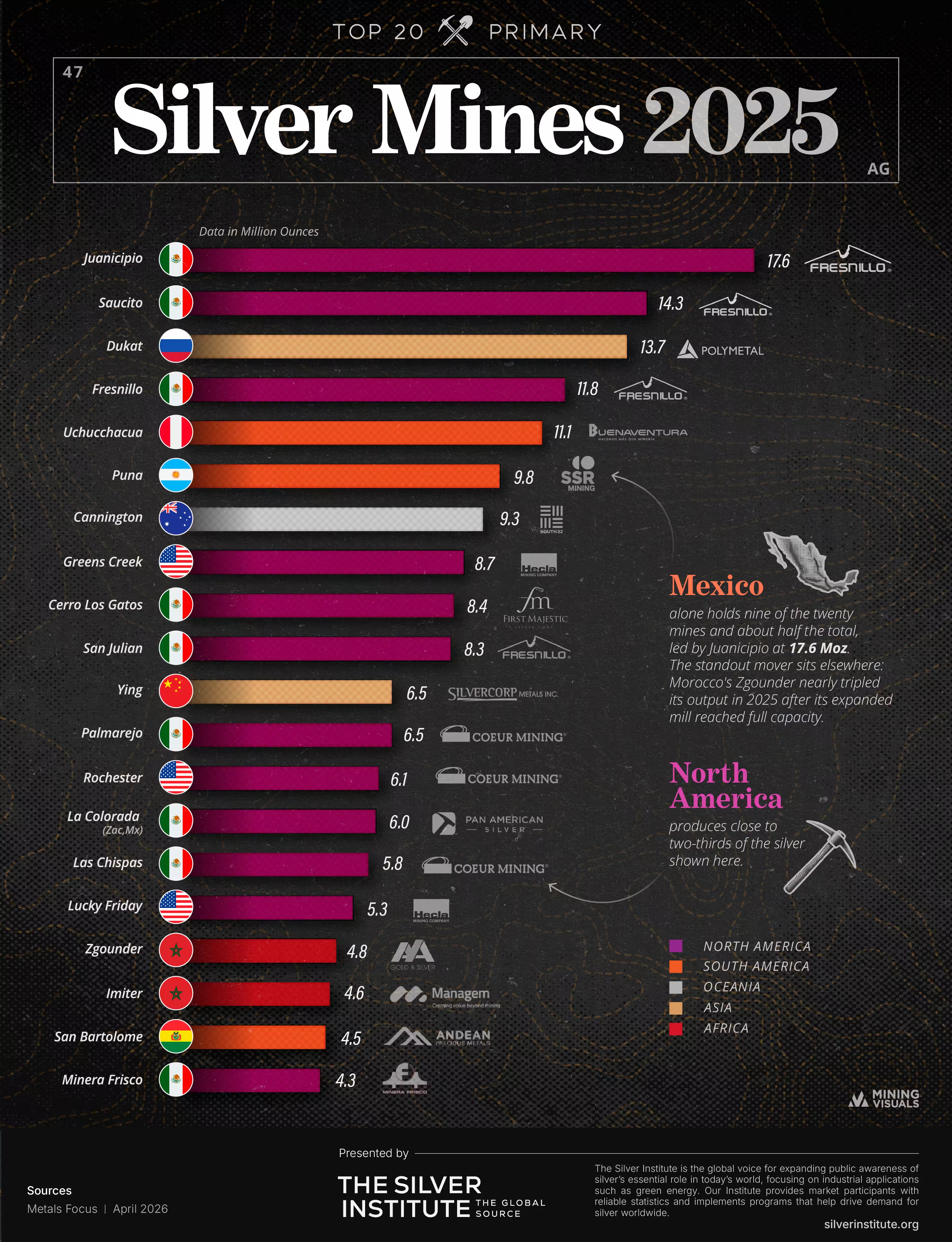

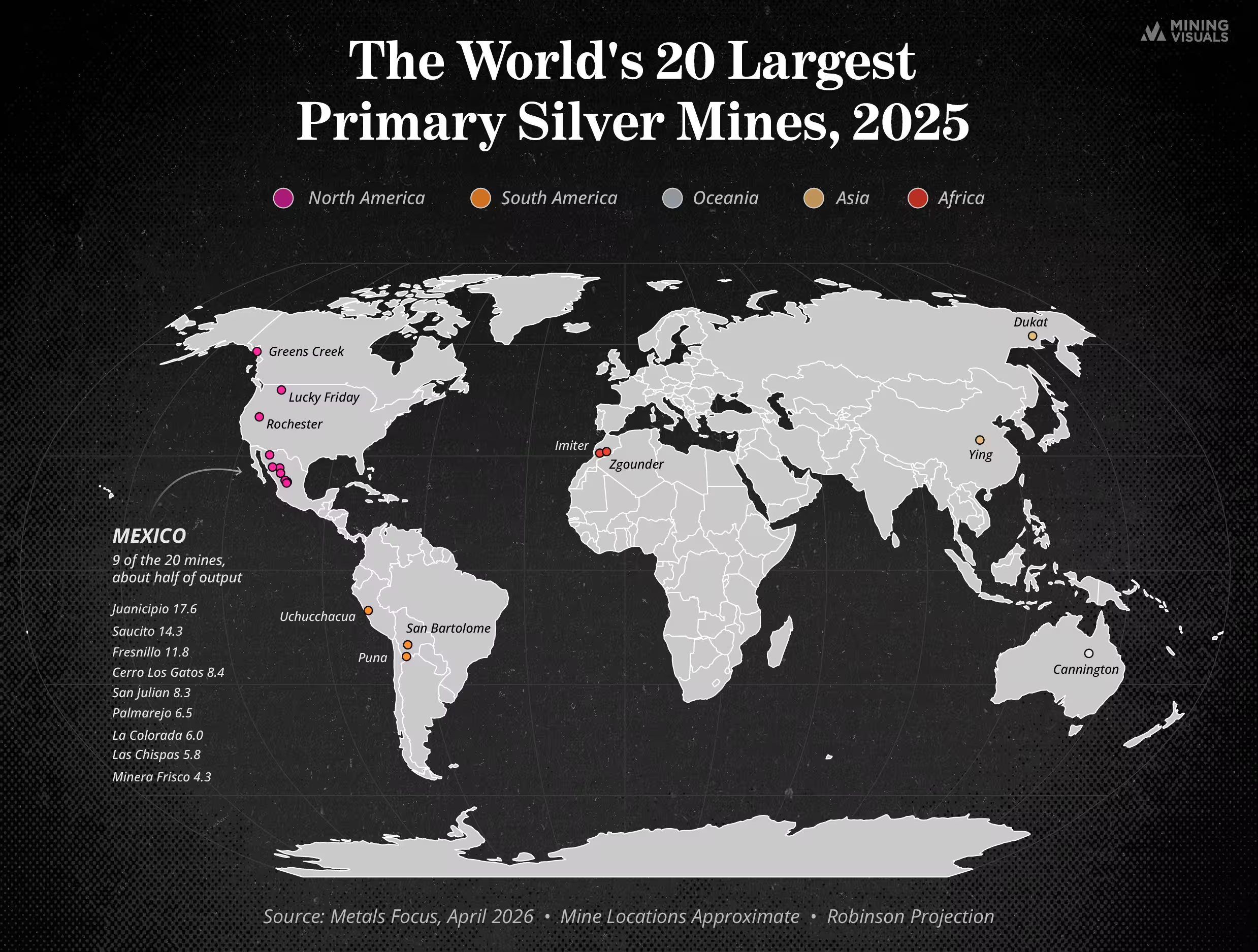
A High-Grade Giant: Juanicipio led all primary silver mines at 17.6 million ounces in 2025, from an orebody grading about 427 grams of silver per tonne.
Morocco's Breakout: Aya Gold & Silver's Zgounder mine nearly tripled its output to 4.83 million ounces as its expanded mill reached full capacity.
Half the Output Is Mexican: Nine of the 20 largest primary silver mines sit in Mexico, the world's largest silver producer, together about half their combined total.
The single largest source of primary silver is a young mine in the Mexican state of Zacatecas. Juanicipio put out 17.6 million ounces in 2025, more than any other mine that earns its keep from silver itself rather than pulling it out as a byproduct of lead, zinc and gold. The company Fresnillo plc operates it and owns 56%; the other 44% changed hands in September 2025, when Pan American Silver completed a US$2.1 billion takeover of MAG Silver. It is one of 20 very different operations, from centuries-old mines in Mexico's silver belt to remote sites in the Andes, the Australian outback and the Alaskan wilderness. New Metals Focus data on the 20 largest of these mines shows nine sit in Mexico, together about half the total, while the newest supply is arriving from further afield.
Mexico accounts for nine of the 20 largest primary silver mines, with Juanicipio the biggest, followed by the Saucito and Fresnillo mines. The three largest together make up about 27% of the group's combined output. This is old ground for the country: the silver town of Fresnillo was founded in 1554, and metal has come from the district for close to five centuries. Grades naturally rise and fall at individual mines from year to year, but that cluster of large, long-lived operations keeps Mexico central to global supply.
The mines adding the most fresh output sit outside Mexico. In Morocco, Zgounder produced 4.83 million ounces in 2025, up from 1.65 million a year earlier, after Aya finished expanding its mill. In Nevada, Coeur Mining rebuilt its Rochester mine to run at about 2.5 times its old capacity and expects it to become "America's largest source of domestically produced and refined silver." The United States now has three mines among the 20 largest, Morocco two, widening the base of primary silver supply.
Mines reach this list two different ways. Some carry exceptional grades. Juanicipio's ore runs about 427 grams of silver per tonne, and the reserves at Las Chispas grade 461 grams, among the highest of any primary silver mine; both are underground operations that follow rich, narrow veins. Others get there on volume. Coeur's Rochester is a conventional open-pit, heap-leach operation that reaches comparable output by processing far larger quantities of lower-grade ore. So two mines can produce almost the same amount of silver in completely different ways: one from a little very rich ore, the other from a lot of poorer ore.
Ownership is concentrated almost as tightly as geography. Grouping the Metals Focus data by operator, Fresnillo plc runs four of the 20 mines: Juanicipio, Saucito, the Fresnillo mine and San Julián. Coeur Mining operates three, Palmarejo, Rochester and Las Chispas, the last added through its acquisition of SilverCrest Metals. Hecla holds two, Greens Creek and Lucky Friday. Pan American Silver has La Colorada, plus the 44% of Juanicipio it gained from MAG Silver. Between them, those four mostly North American-listed producers operate or co-own half of the 20.
Rochester and Zgounder were both still ramping up during 2025, so neither has yet contributed a full twelve months at its new capacity. Coming figures will show how much that fresh supply, alongside Mexico's established base, adds to global primary silver production in the years ahead.
The Silver Institute is a global organization dedicated to promoting the use, study, and understanding of silver. It provides in-depth research on silver’s supply, demand, and pricing trends across various industries such as industrial applications, jewelry, investment, and solar energy. One of the institute’s key publications is the World Silver Survey, an annual report that offers detailed statistics and analysis on the global silver market.
For further information, you can visit the official Silver Institute website.
MiningVisuals Disclaimer: This article is for informational purposes only and does not constitute financial or investment advice. Always conduct your own research.
Data: Metals Focus, Top 40 Primary Silver Mines (April 2026).

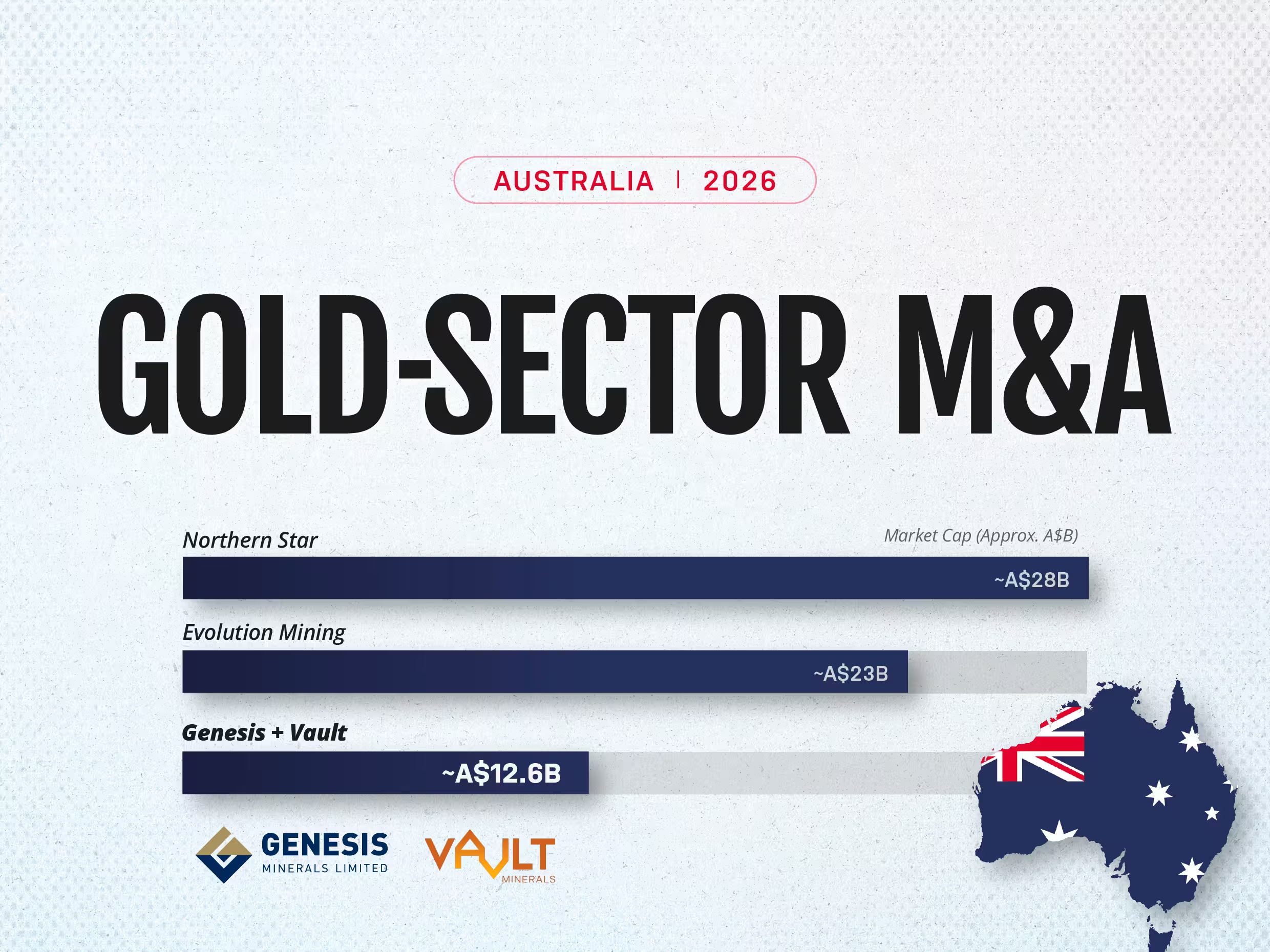
Gold hit an all-time high of about US$5,595 an ounce in January 2026 before settling near US$4,000, still far above the levels of a few years ago. That combination, record prices followed by a stable, still-profitable pullback, has done something a straight rally rarely does: it has opened a merger window.
.webp)
In March 2026, one of Ghana's own mining companies said it would invest about $1.2 billion in its operations at the Tarkwa and Damang gold mines. Both sit on the Ashanti belt, one of three narrow bands of ancient rock that carry almost all of Ghana's gold.
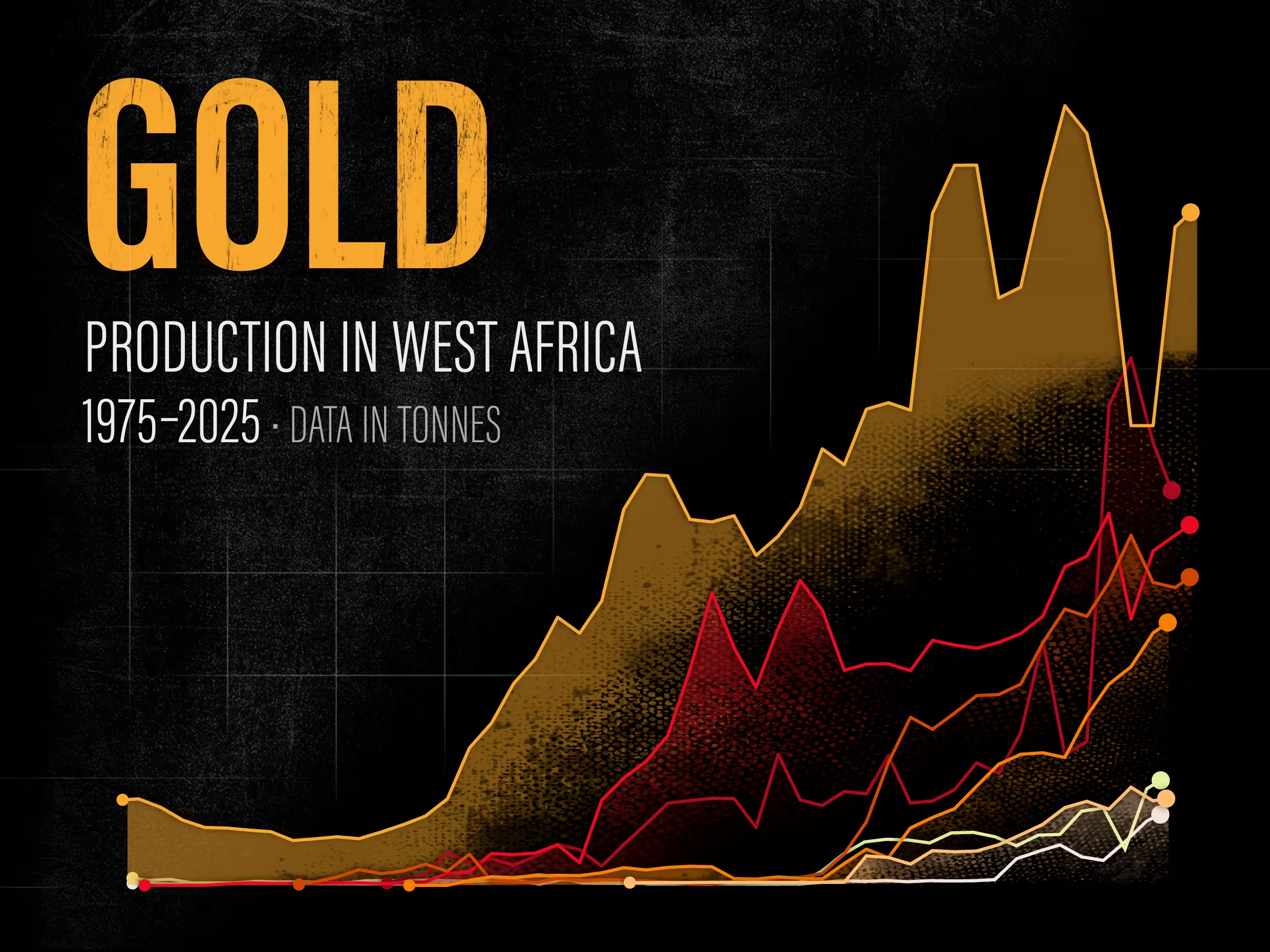
West Africa is in the middle of a gold run. In 2025 Ghana's output climbed more than 23 percent to a record 5.94 million ounces, holding its place as Africa's largest producer and now the sixth-largest in the world, and analysts expect the wider region to rebound about 8 percent in 2026.
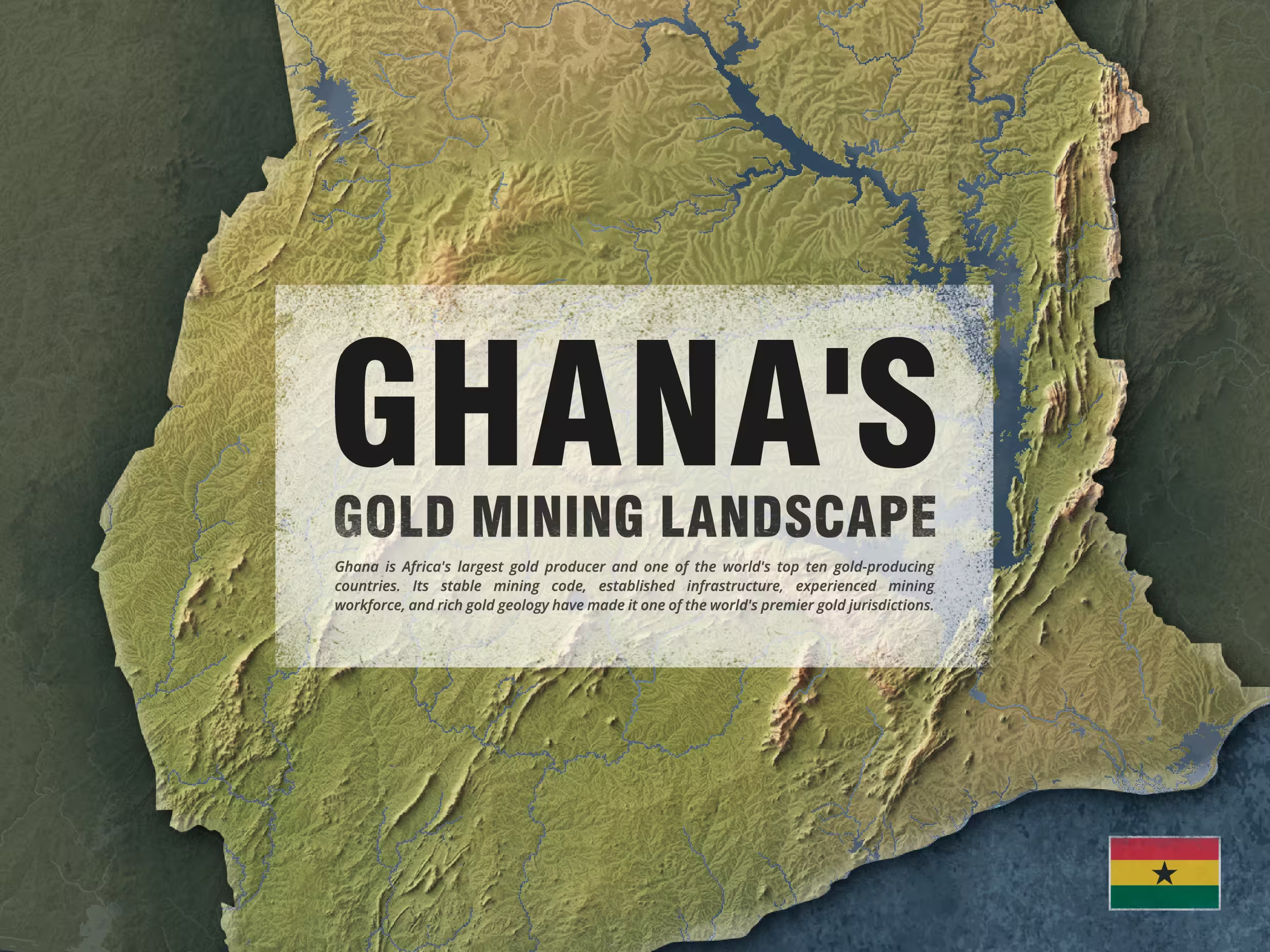
Ghana is one of the world's most significant gold-producing countries, and in 2025 it remained the largest in Africa, with national output reaching about 6 million ounces. But the numbers are only the surface. Ghana's gold reaches back more than two billion years into the rock beneath it, shaped by ancient mountain-building forces and worked by human hands for well over a century.