Precious Metals
July 20, 2024
2 min
Precious Metals
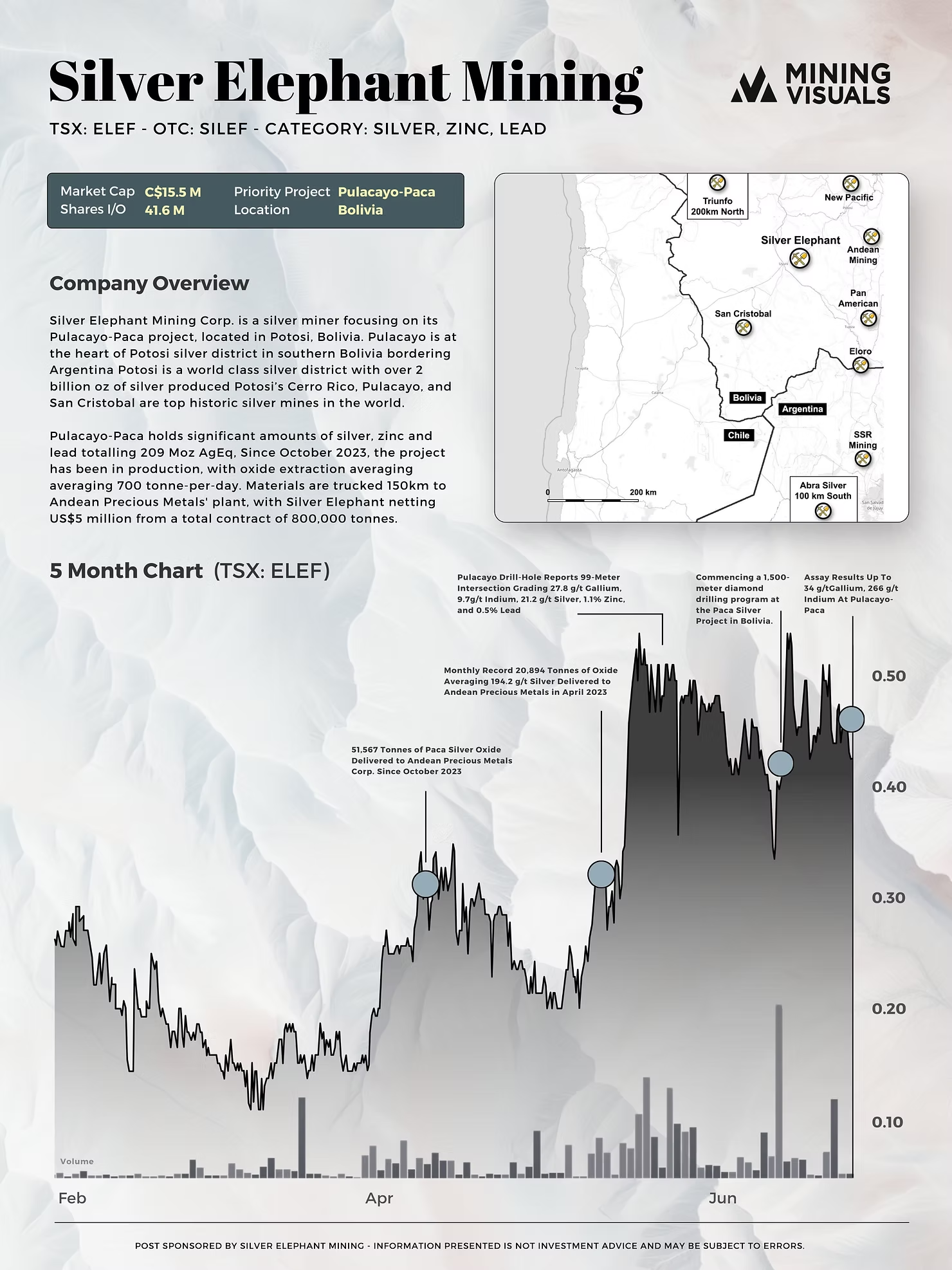

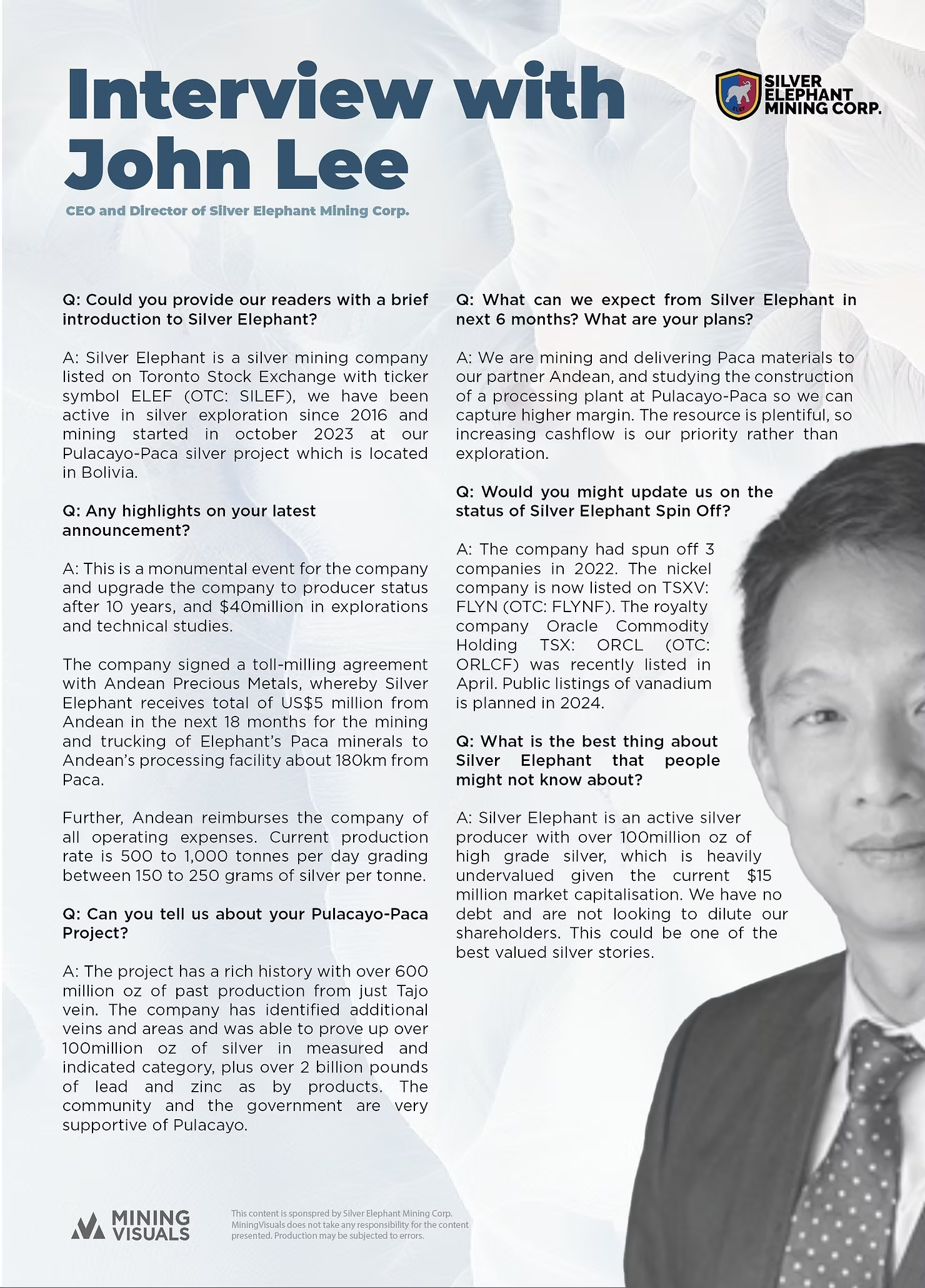
In this post, we delve into the key aspects of Silver Elephant Mining, featuring three informative graphics. The first graphic provides a company overview, including a five-month chart that highlights recent significant events. The second graphic presents an overview of the company’s projects, showcasing drill results and a detailed resource table. The third graphic is an interview with the president and CEO, John Lee, offering insights into the company’s strategies and future plans.
Introduction:
Silver Elephant Mining is a mining company with a growing silver production from its 100% owned Pulacayo-Paca mining project in Bolivia. Strategically located 107 km northeast of the San Cristobal silver mine, 171 km southwest of New Pacific’s Silver Sands discovery, and 180 km from Andean Precious Metals' Manquiri project, this site is a significant player in the region.
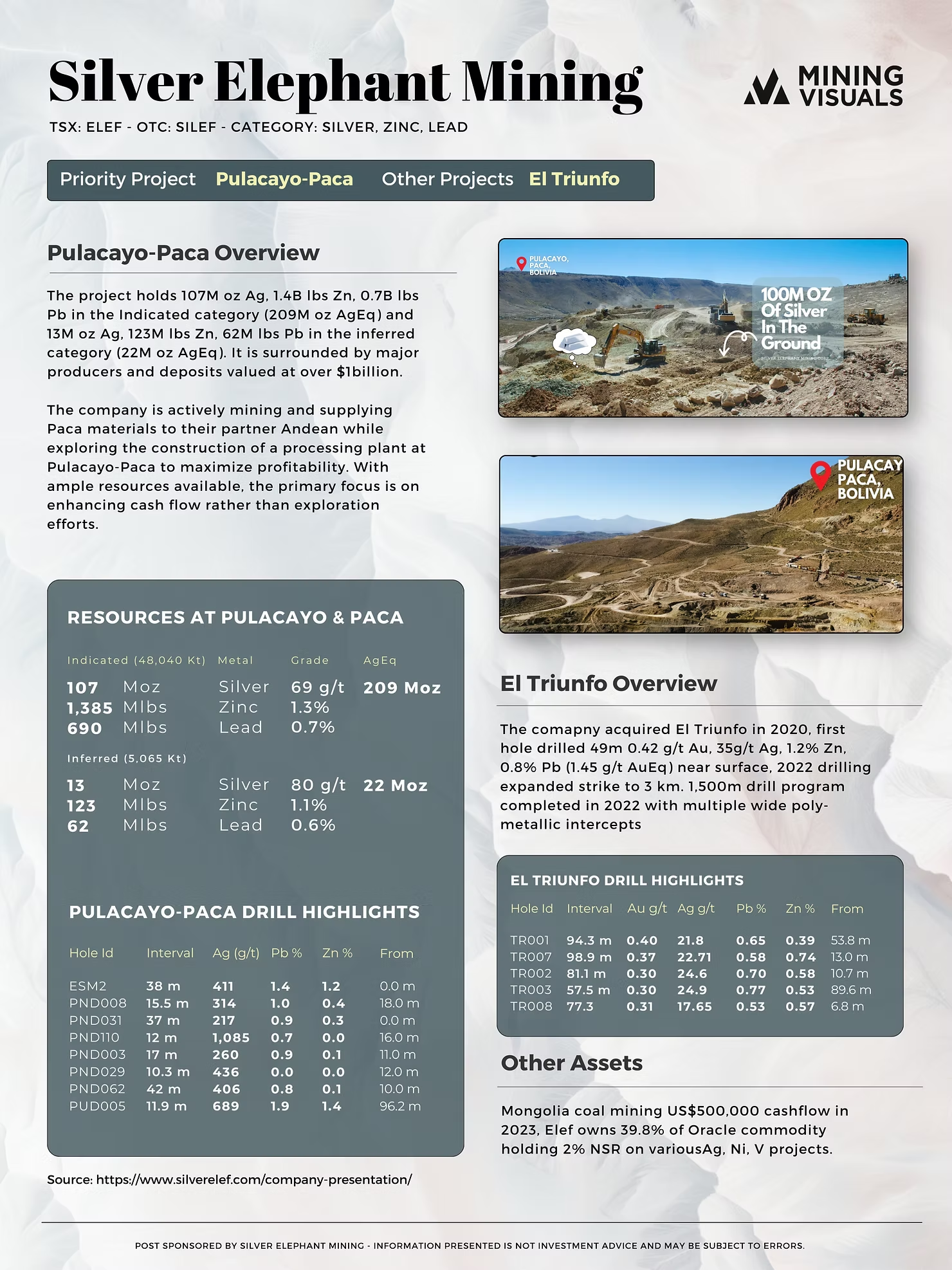
The Pulacayo-Paca project boasts 107 million indicated ounces of silver, with additional lead and zinc credits totaling 209 million ounces of silver equivalent (Ag Eq). It also has 13 million ounces of silver in the inferred category with additional lead and zinc credits (22 million ounces Ag Eq). The average grade in the indicated category is 69 g/t silver, 1.3% zinc, and 0.7% lead.
Drilling has yielded impressive intercepts from the surface, including 38 meters of 411 g/t silver, 1.4% lead, and 1.2% zinc, as well as 37 meters of 314 g/t silver, 0.9% lead, and 0.3% zinc. Mineralization in both holes starts directly from the surface, with bonanza-grade intercepts like 12 meters of 1,085 g/t silver and 11.9 meters of 689 g/t silver.
To date, the project has received over $40 million in investment, including more than 100,000 meters of drilling. The Paca open-pit project commenced production in October 2023, with a mining rate of 50 to 100 tonnes per day.
El Triunfo:
Silver Elephant also holds the El Triunfo project, located in the Bolivian department of La Paz, approximately 75 km east of Bolivia’s capital city. Covering an area of about 256 hectares, El Triunfo has year-round access to power and water and is reachable by road. In 2020, Silver Elephant drilled 49 meters with results of 0.42 g/t gold, 35 g/t silver, 1.2% zinc, and 0.8% lead.
Other highlights from El Triunfo include 94.3 meters of 0.40 g/t gold, 21.8 g/t silver, 0.65% lead, 0.39% zinc, and 98.9 meters of 0.37 g/t gold, 22.71 g/t silver, 0.58% lead, and 0.74% zinc. For more intercepts, see the drill table in the graphic below.
Interview:
In the interview below, Silver Elephant's CEO and Director provides an update on the company's recent transition from developer to producer. He discusses the size and potential of the Pulacayo project, shares a six-month outlook, and talks about the Flying Nickel Mining spin-off.
More information on Silver Elephant Mining can be found on their website: https://silverelef.com




Explore More
View All

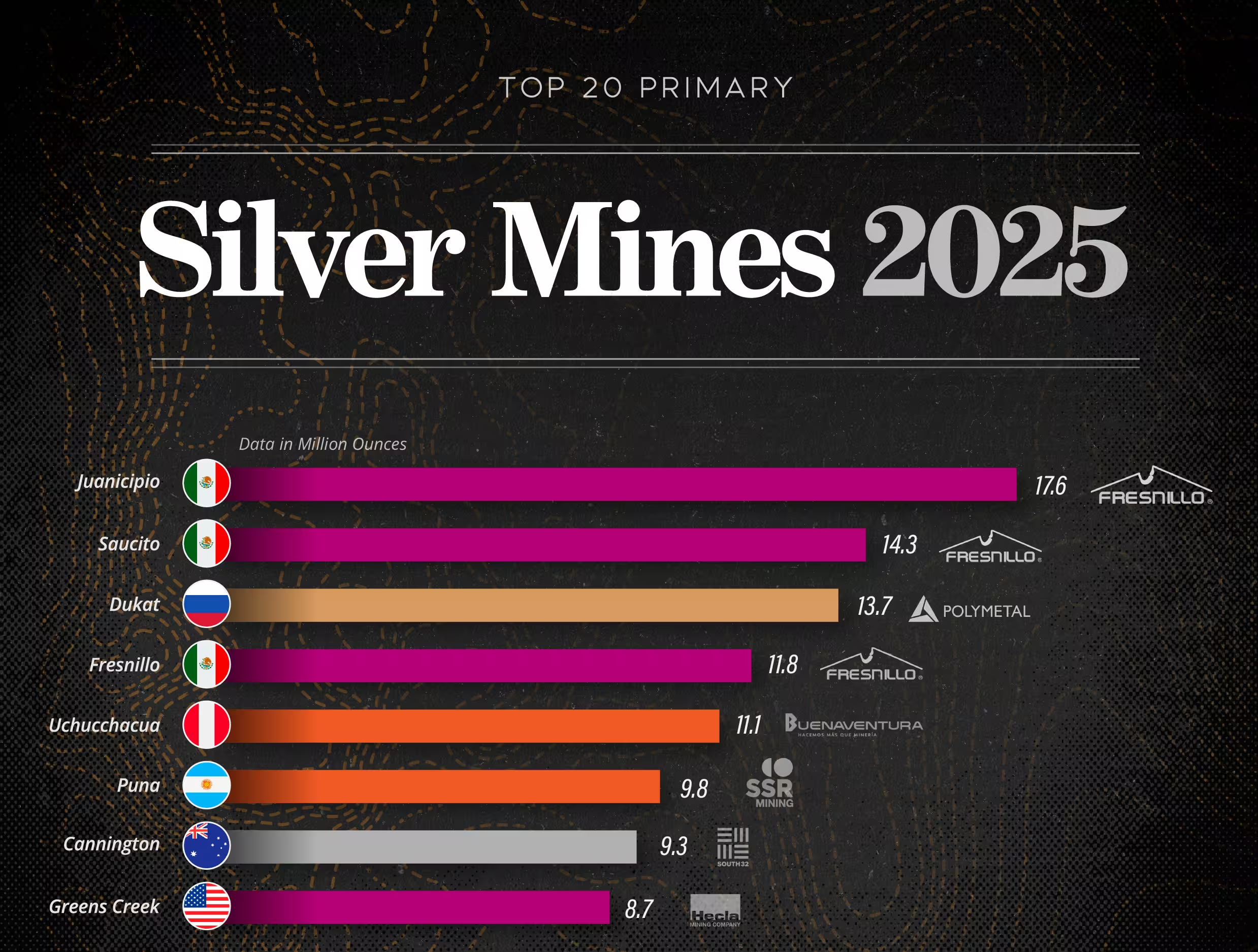
The World's 20 Largest Primary Silver Mines by 2025 Output
The World's 20 Largest Primary Silver Mines by 2025 Output
The single largest source of primary silver is a young mine in the Mexican state of Zacatecas. Juanicipio put out 17.6 million ounces in 2025, more than any other mine that earns its keep from silver itself rather than pulling it out as a byproduct of lead, zinc and gold. Fresnillo operates it and owns 56%; the other 44% changed hands in September 2025, when Pan American Silver completed a US$2.1 billion takeover of MAG Silver.
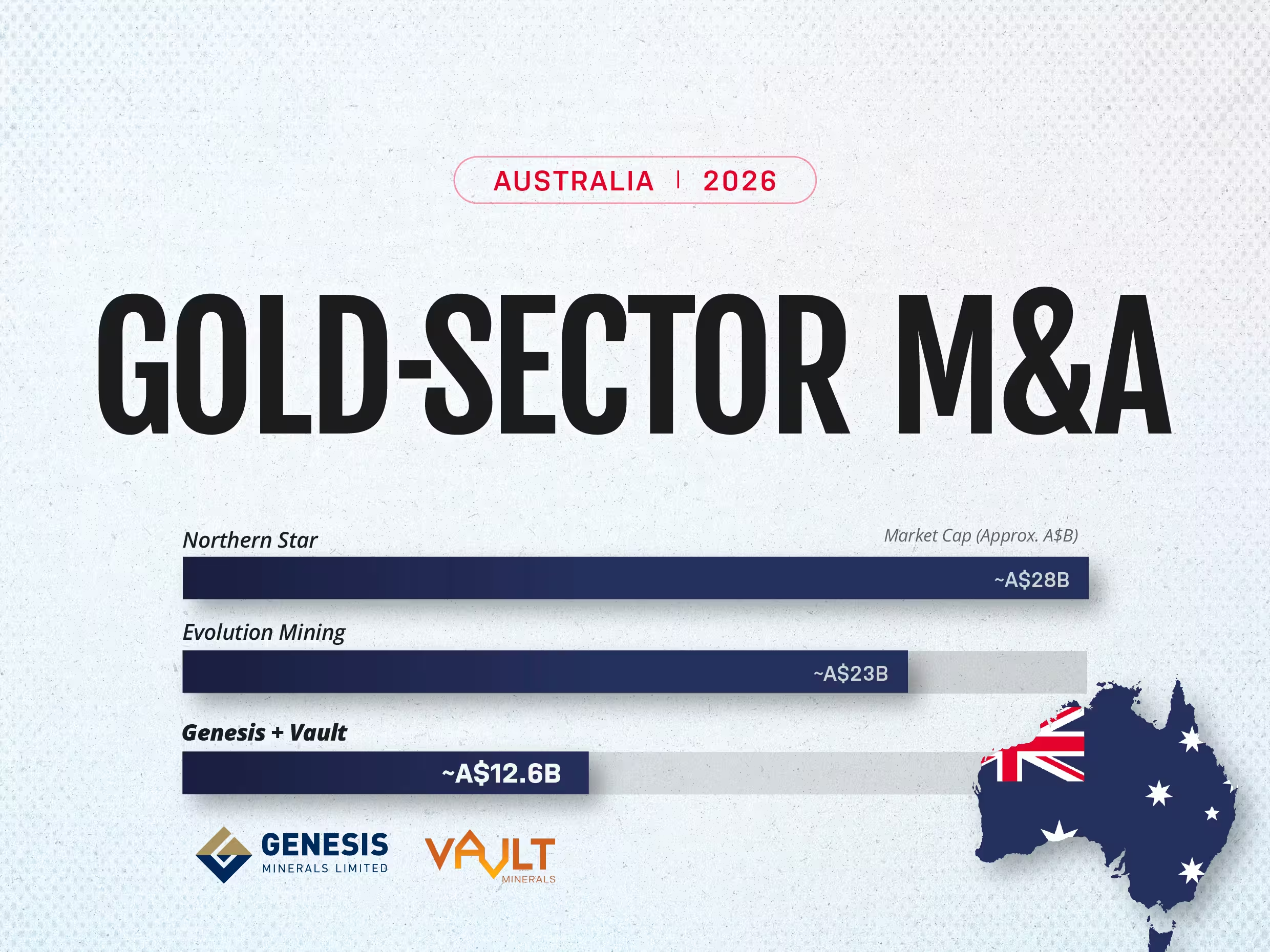
Gold's Record Run Has Set Off a Wave of Mining Mergers
Gold's Record Run Has Set Off a Wave of Mining Mergers
Gold hit an all-time high of about US$5,595 an ounce in January 2026 before settling near US$4,000, still far above the levels of a few years ago. That combination, record prices followed by a stable, still-profitable pullback, has done something a straight rally rarely does: it has opened a merger window.
.webp)
Three Ancient Belts Carry Ghana's Gold, and Investment Keeps Flowing to Them
Three Ancient Belts Carry Ghana's Gold, and Investment Keeps Flowing to Them
In March 2026, one of Ghana's own mining companies said it would invest about $1.2 billion in its operations at the Tarkwa and Damang gold mines. Both sit on the Ashanti belt, one of three narrow bands of ancient rock that carry almost all of Ghana's gold.
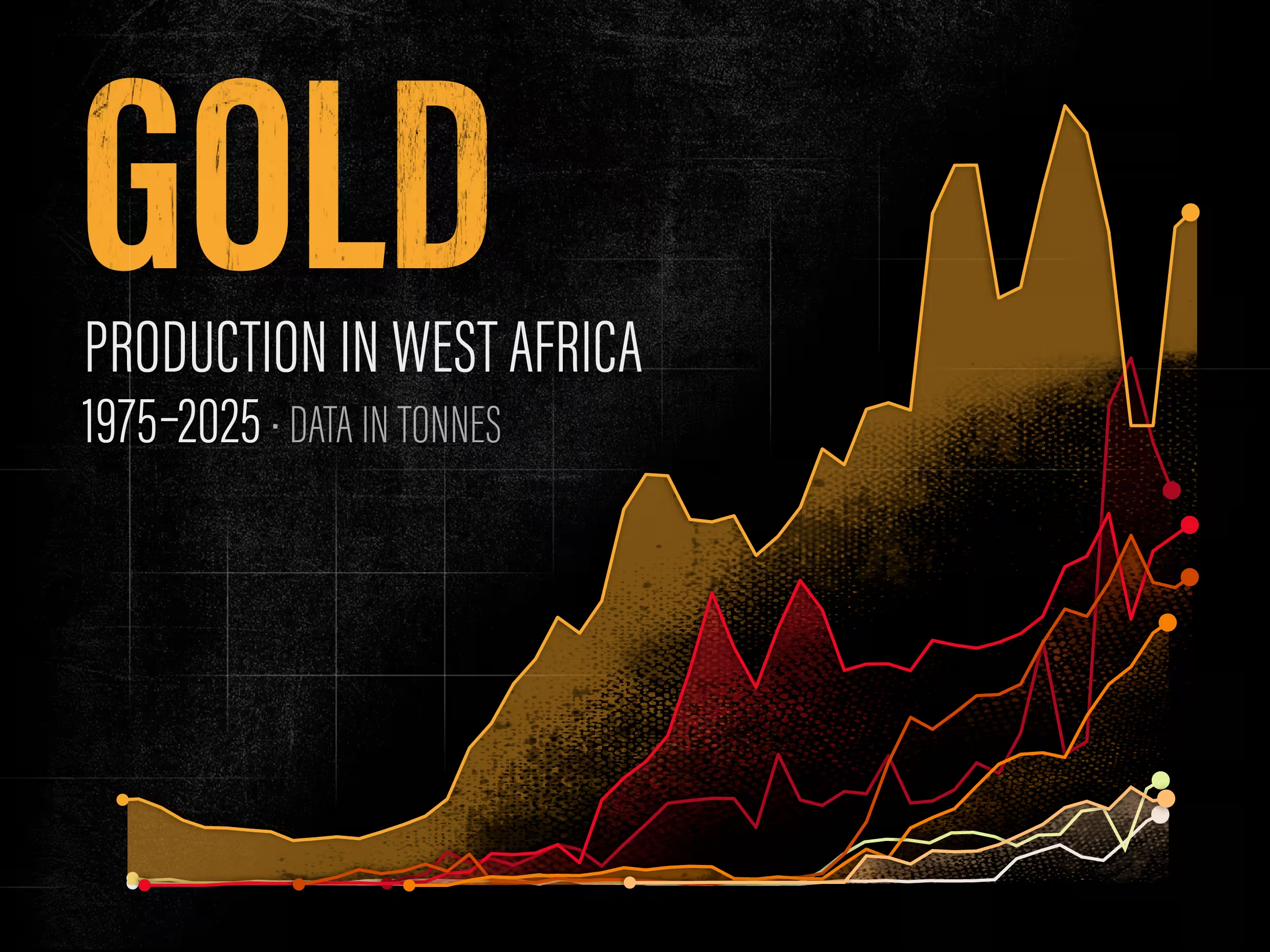
Charted: Fifty Years of Gold Production in West Africa
Charted: Fifty Years of Gold Production in West Africa
West Africa is in the middle of a gold run. In 2025 Ghana's output climbed more than 23 percent to a record 5.94 million ounces, holding its place as Africa's largest producer and now the sixth-largest in the world, and analysts expect the wider region to rebound about 8 percent in 2026.