Precious Metals
January 21, 2025
3 min
Precious Metals


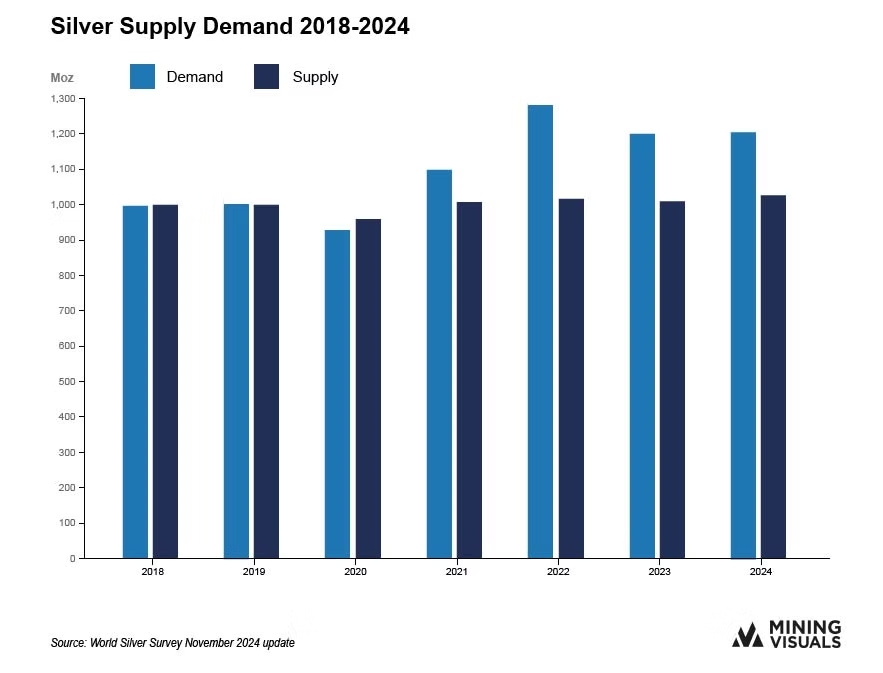
Global silver demand has surged in recent years, outpacing supply since 2020. This imbalance underscores the critical importance of untapped silver resources in meeting future demand. Undeveloped silver projects are poised to play a vital role in addressing the need for this valuable metal, which is essential in industries such as electronics, solar panels, jewelry, investment, healthcare, and green tech.
Latin America: A Hub for Untapped Silver Resources
A closer look at the largest projects reveals that Mexico, Bolivia, and Peru are home to some of the world's most significant undeveloped silver projects. These nations are positioned to become key players in supplying silver to meet future global needs.
Spotlight on Major Projects
- Metates (Mexico): Located in Durango State, Mexico, Metates is a massive project owned by Chesapeake Gold Corp. It boasts a significant amount of both gold and silver, making it a very valuable find. It contains approximately 19.8 million ounces of gold and 542 million ounces of silver in measured and indicated resources.
- Cordero (Mexico): Another large silver deposit in Mexico, Cordero is known for its potential to produce a substantial amount of silver over a long period. It is one of the largest undeveloped silver deposits in the world, with an estimated 1.3 billion ounces of silver equivalent. The project has capacity to produce an average of 33 million ounces of silver equivalent per year for 18 years.
- Iska Iska (Bolivia): Discovered in 2020, Iska Iska is a significant find in Bolivia. It contains a variety of valuable metals, including silver, tin, zinc, lead, and gold. It contains 1.15 billion ounces of silver equivalent. Located in the Potosí region, this large-scale project is regarded as one of the most significant recent mineral discoveries, potentially becoming a world-class mining operation for Bolivia.
Other Noteworthy Silver Projects
- Corani (Peru): 225 Moz (P&P)
- Silver Sand (Bolivia): 202 Moz (M&I)
- Carangas (Bolivia): 171 Moz (M&I)
- DeLamar (USA): 143 Moz (M&I)
- Diablillos (Argentina): 123 Moz (P&P)
- Calico (USA): 110 Moz (M&I)
- Berenguela (Peru): 101 (M&I)
- Panuco (Mexico): 94 moz (Inferred)
- Panuco (Mexico): 88 Moz (M&I)
- Eskay Creek (Canada): 88 Moz (P&P)
- Cerro Las Minitas (Mexico): 83 Moz (Inferred)
- San Diego (Mexico): 82 Moz (Inferred)
The Future of Silver Production
As the global economy continues to grow, these untapped resources represent a crucial opportunity for the mining industry to meet future needs. Beyond their economic potential, these projects can contribute significantly to the development of local communities by creating jobs and generating revenue. With many of the largest deposits located in Latin America, the region is set to play a pivotal role in shaping the future of silver production.

Source: Company presentations & reports
The information presented here may contain inaccuracies and is subject to rounding. We do not guarantee that all information is complete or correct. We accept no responsibility for any errors, omissions, or outcomes resulting from the use of this information. This is not investment advice.




Explore More
View All

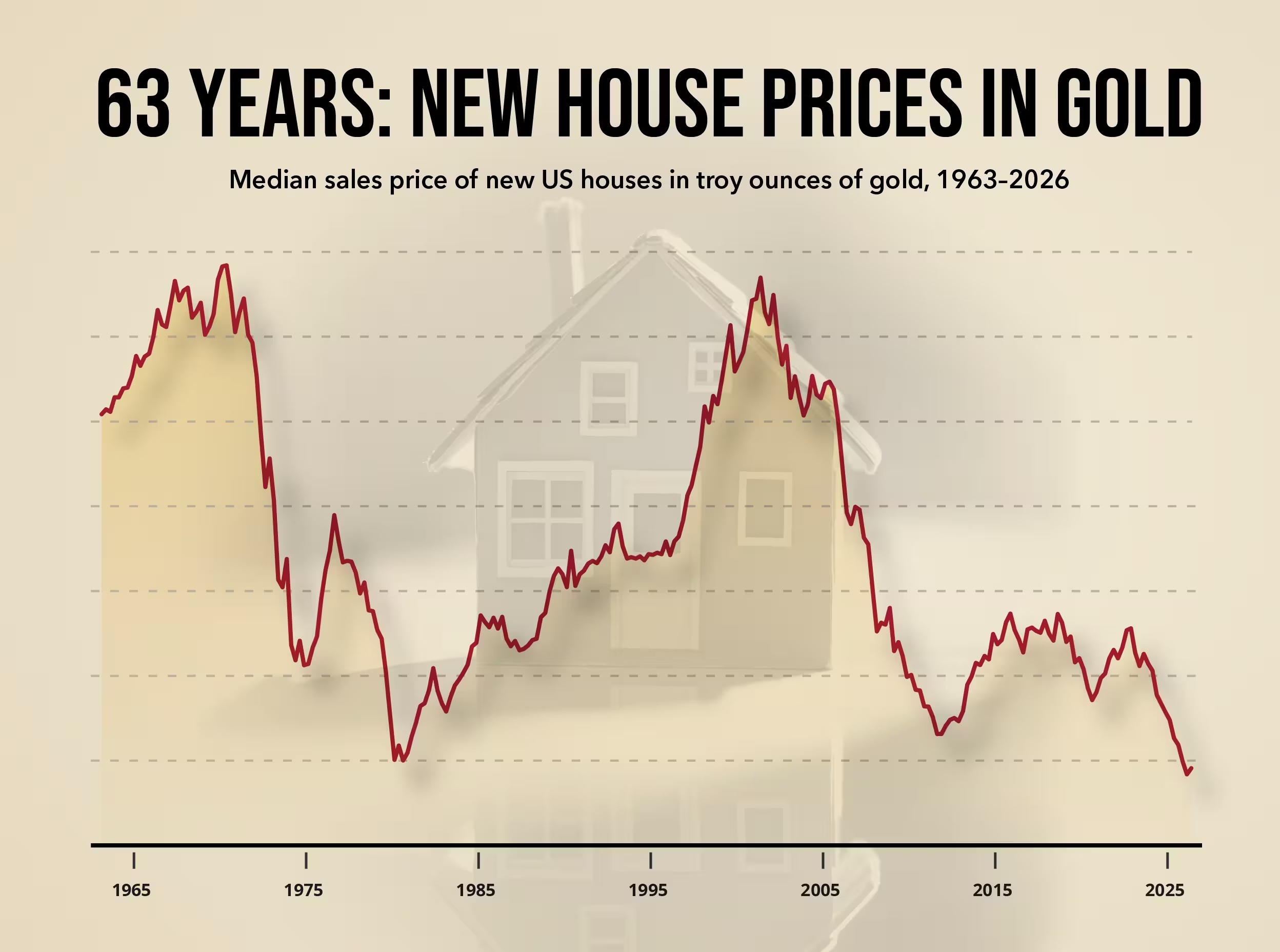
A Median New US Home Now Costs Less Than 100 Ounces of Gold
A Median New US Home Now Costs Less Than 100 Ounces of Gold
The US Census Bureau's July new-home report, released on August 25, put the median price of a newly built house at $393,800. HousingWire noted that was the lowest since July 2021. In dollars, the market has moved within a narrow band: the quarterly median has stayed between $408,500 and $435,400 since 2023.
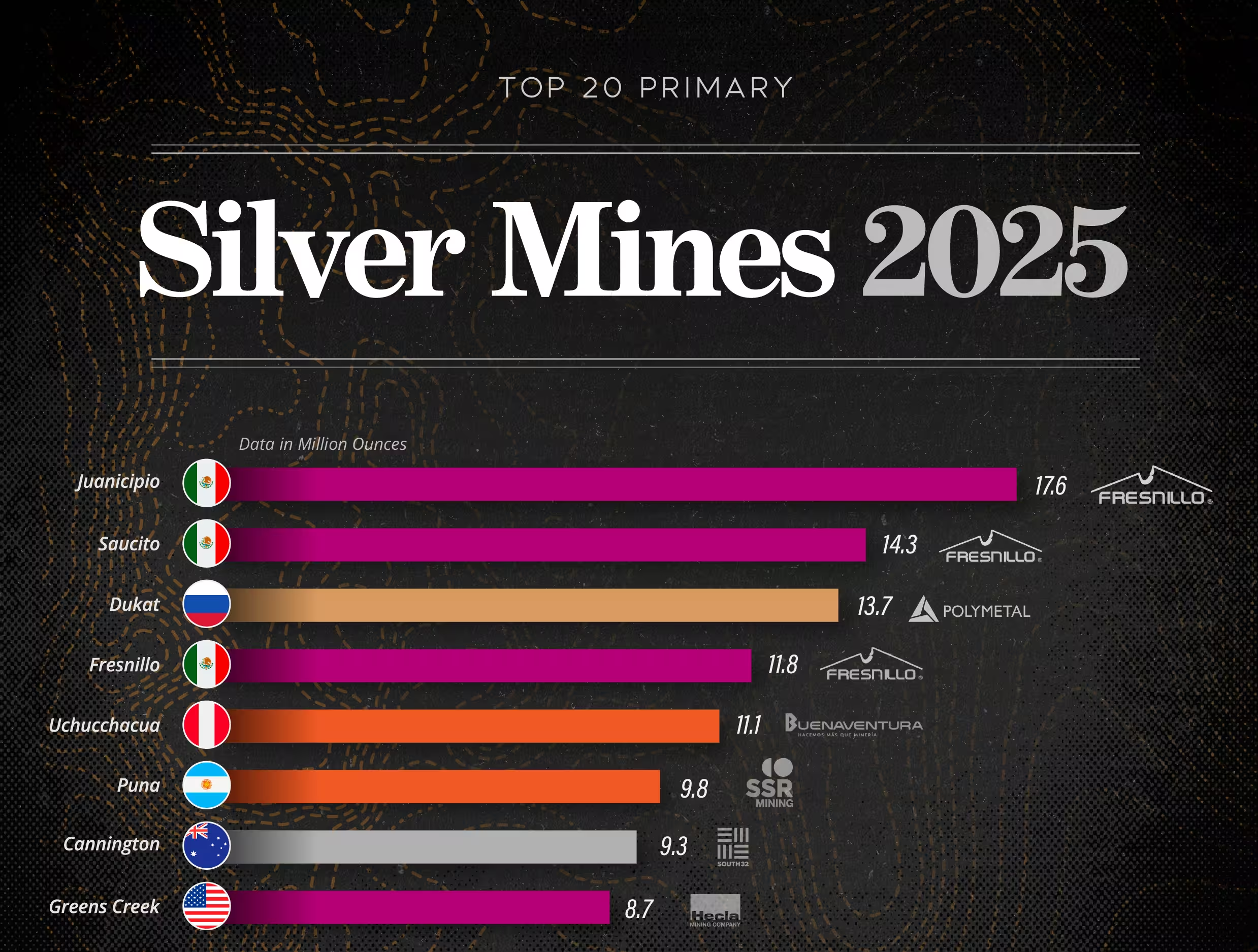
The World's 20 Largest Primary Silver Mines by 2025 Output
The World's 20 Largest Primary Silver Mines by 2025 Output
The single largest source of primary silver is a young mine in the Mexican state of Zacatecas. Juanicipio put out 17.6 million ounces in 2025, more than any other mine that earns its keep from silver itself rather than pulling it out as a byproduct of lead, zinc and gold. Fresnillo operates it and owns 56%; the other 44% changed hands in September 2025, when Pan American Silver completed a US$2.1 billion takeover of MAG Silver.
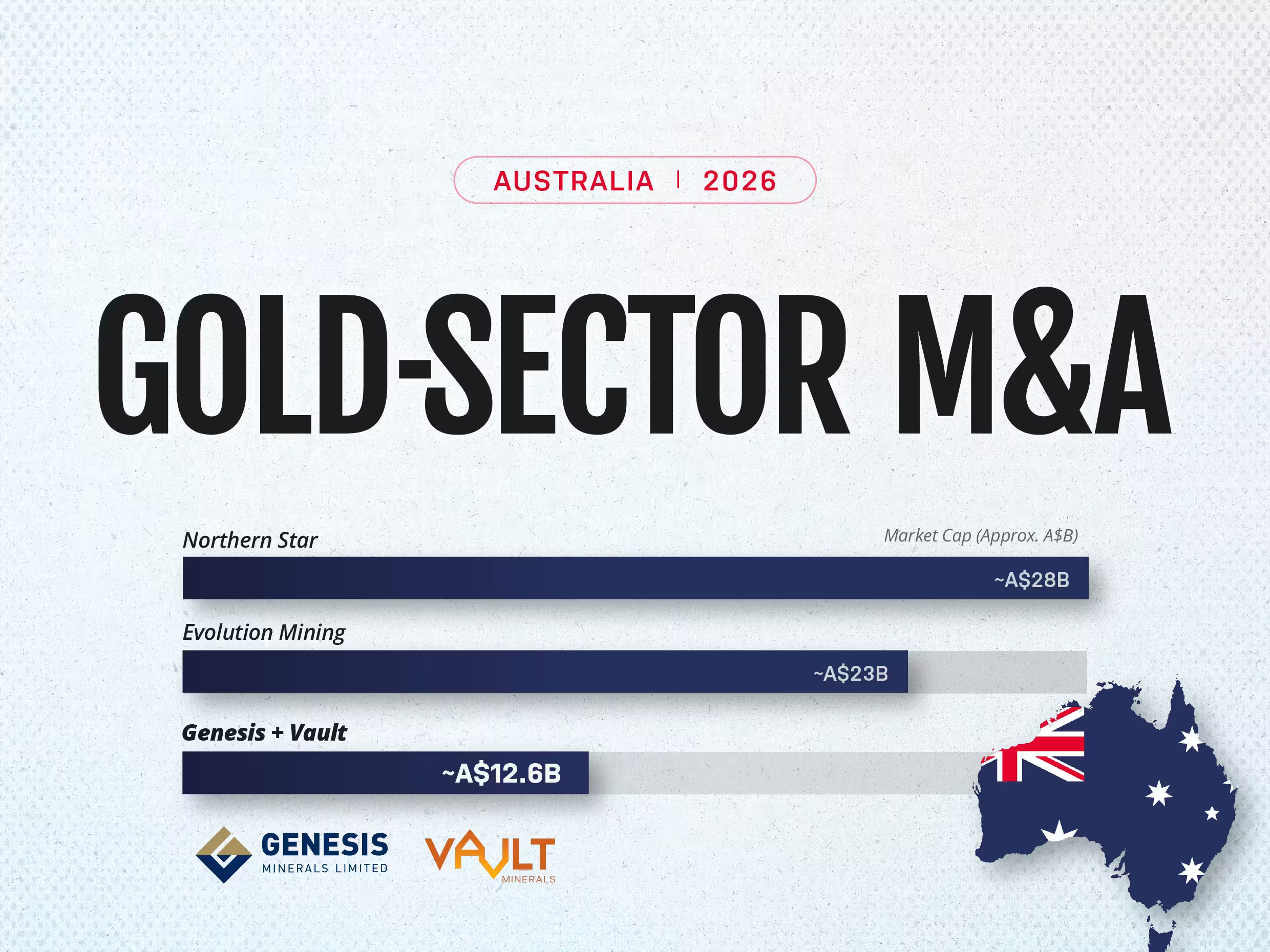
Gold's Record Run Has Set Off a Wave of Mining Mergers
Gold's Record Run Has Set Off a Wave of Mining Mergers
Gold hit an all-time high of about US$5,595 an ounce in January 2026 before settling near US$4,000, still far above the levels of a few years ago. That combination, record prices followed by a stable, still-profitable pullback, has done something a straight rally rarely does: it has opened a merger window.
.webp)
Three Ancient Belts Carry Ghana's Gold, and Investment Keeps Flowing to Them
Three Ancient Belts Carry Ghana's Gold, and Investment Keeps Flowing to Them
In March 2026, one of Ghana's own mining companies said it would invest about $1.2 billion in its operations at the Tarkwa and Damang gold mines. Both sit on the Ashanti belt, one of three narrow bands of ancient rock that carry almost all of Ghana's gold.