Copper
December 13, 2024
2 min
Copper


The copper mining industry has experienced a significant surge in mergers and acquisitions over the past decade, driven by the growing global demand for copper. This infographic highlights data from Dr. James Michael Wise's book, RED METAL IN THE BLUE PLANET: The History of Copper and the Outlook for the Future, showcasing copper M&A activity from 2013 to 2024.
One of the biggest deals occurred in 2014 when MMG/Minmetals purchased the Las Bambas copper mine in Peru for $8 billion. This acquisition helped secure a steady supply of copper to meet China’s growing needs.
In 2022, BHP made a major move by acquiring OZ Minerals for $6.42 billion. This deal not only expanded BHP’s presence in copper but also in nickel, both crucial for renewable energy technologies. Another significant transaction took place in 2013 when First Quantum acquired Cobre de Panama for $5.82 billion, boosting its production capabilities in the copper market.
More recently, in 2024, Lundin Mining and BHP teamed up to buy Filo Corp for $4.1 billion, securing a promising copper project in South America. This shows a continued focus on copper-rich regions like Latin America.
A major deal in 2018 saw Indonesia’s state-owned PT Indonesia Asahan take control of the Grasberg mine for $3.85 billion, giving the country more control over one of the world’s largest copper and gold mines.
These deals highlight the growing importance of copper in powering the global shift towards renewable energy and electric vehicles. As demand rises, companies are strategically acquiring assets to ensure a stable supply of this essential metal. Looking ahead, we can expect more mergers and investments as copper continues to play a critical role in economic growth and green technologies.
Source: RED METAL IN THE BLUE PLANET: The history of copper and the outlook for the future by Dr. James Michael Wise (Author)





Explore More
View All

Behind Tin's 2026 Record High
Behind Tin's 2026 Record High
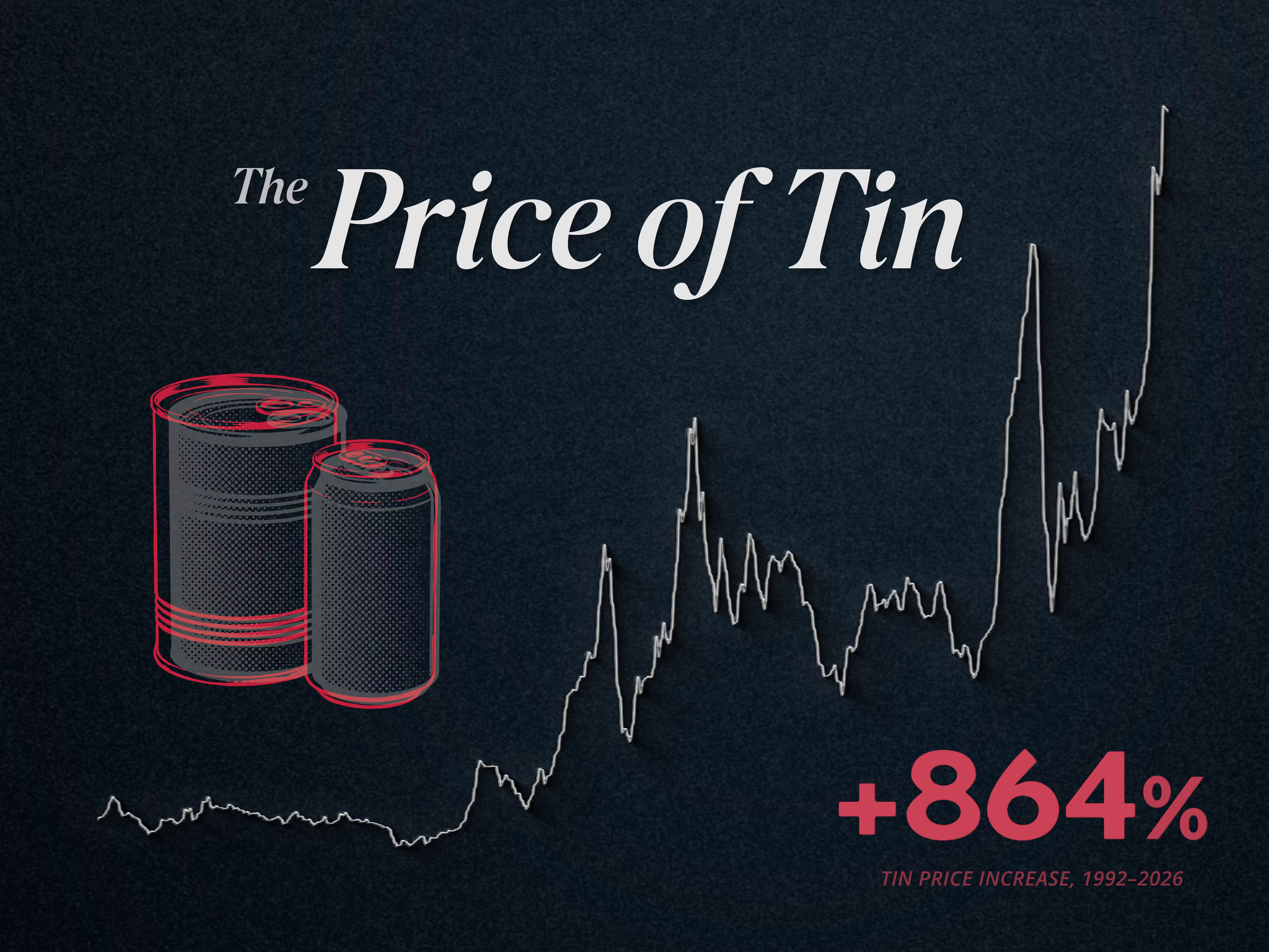
In January 2026, the London Metal Exchange three-month tin contract closed at US$53,462 a tonne, a nominal all-time high that surpassed the March 2022 peak, and it has traded near those levels since. The puzzle is that there is no shortage of tin today: exchange inventories actually rose as the price climbed, rather than being drawn down. Two very different things are holding the price up. The first is short-term: a wave of investor buying, which the industry says drove the January jump. The second is long-term: on current forecasts, the world will not mine enough tin to meet demand later this decade, a gap already projected before the rally began and expected to persist after it fades. The lasting story is that forecast shortfall, not the spike.
The Age of Giants: How Mining Shovels Grew, Peaked, and Deliberately Shrank
The Age of Giants: How Mining Shovels Grew, Peaked, and Deliberately Shrank
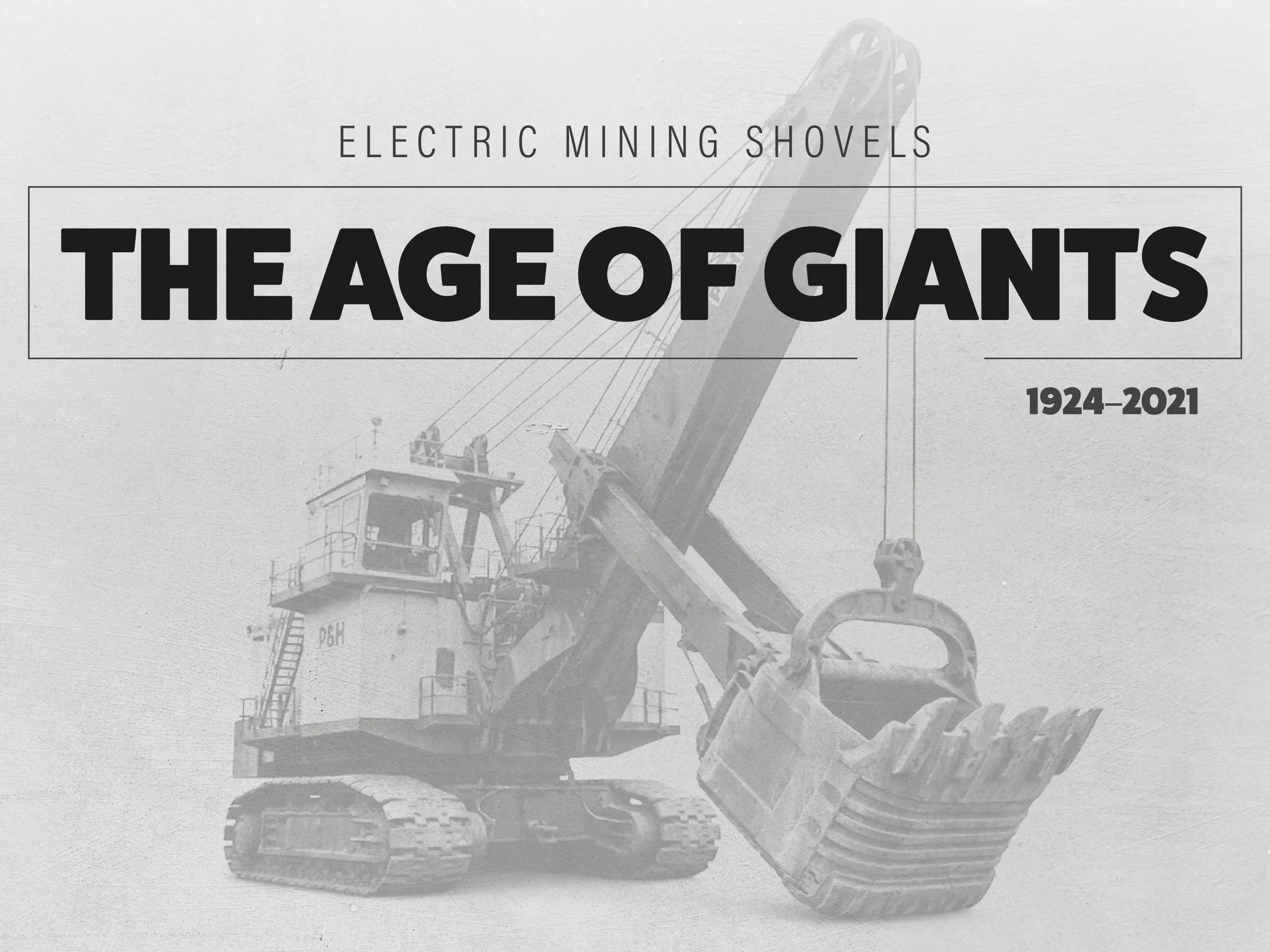
For four decades, the American coalfields hosted an engineering arms race measured in cubic metres of bucket. It ended not with a bigger machine, but with a deliberate retreat. The single largest mobile land machine ever built, the Marion 6360 "Captain," was commissioned in 1965 and destroyed by fire in 1991. No shovel has approached its scale since, and the machines that replaced it were smaller by design.
Where Indium Goes: The Metal Behind Screens, Chips, and Solar
Where Indium Goes: The Metal Behind Screens, Chips, and Solar
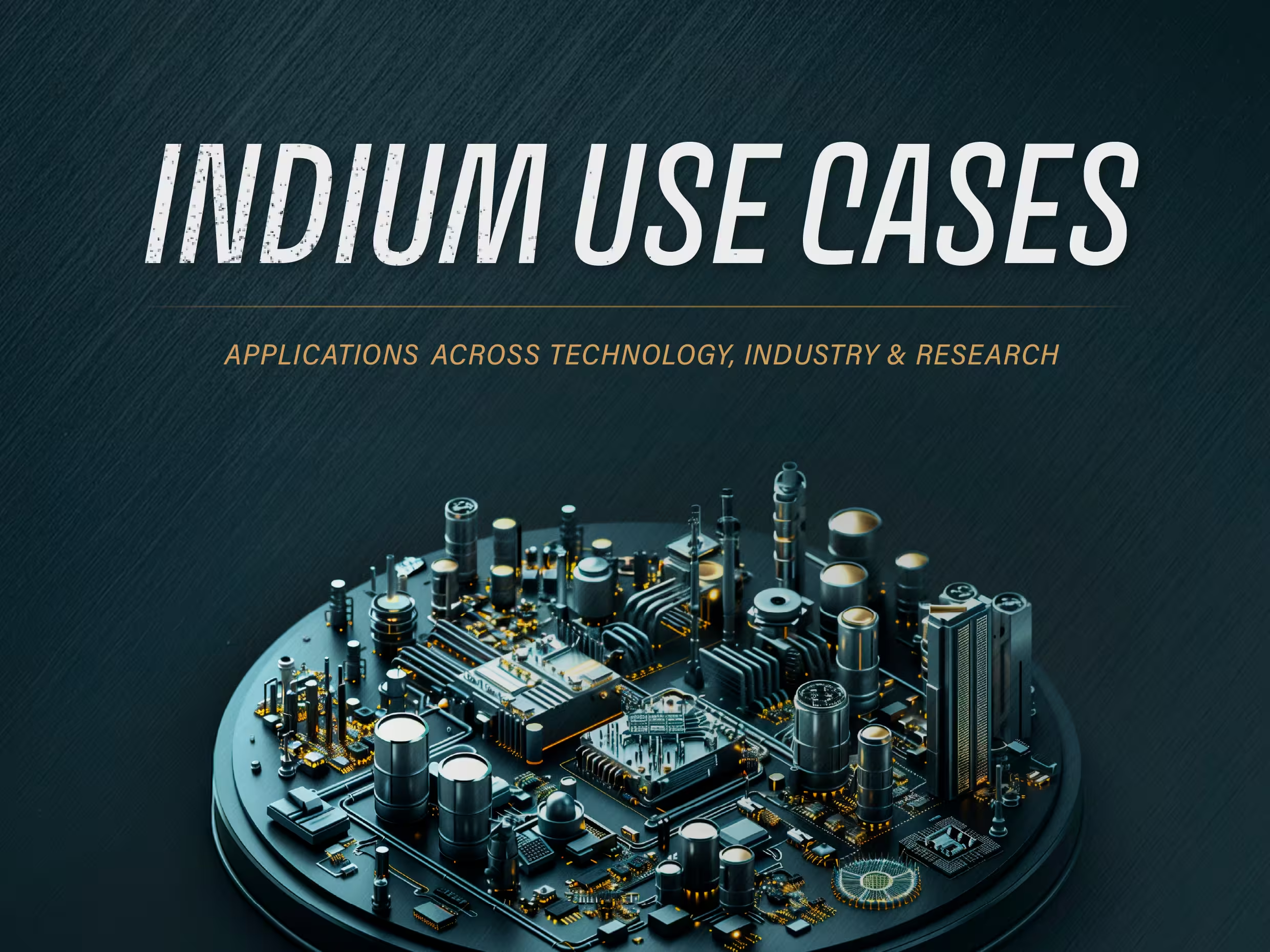
Indium is one of the metals you never see but use constantly. As indium tin oxide, it forms the transparent conductive coating on nearly every LCD and touchscreen, and that single application still accounts for most global consumption, according to the USGS. But the metal's role is broadening. Its compounds now sit inside the high-speed optical chips that route data through AI data centers, a shift that has turned a quiet, display-driven material into one buyers watch closely, especially as China refines about 70% of it and has begun tightening the flow.

Rare Earths and the F-35: The Defense Supply-Chain Bottleneck Behind America's Most Advanced Fighter Jet
Rare Earths and the F-35: The Defense Supply-Chain Bottleneck Behind America's Most Advanced Fighter Jet
In September 2022, the Pentagon quietly stopped taking delivery of new F-35 fighter jets. The reason was not a design flaw or a manufacturing defect. A single small magnet inside the plane's engine had been made using an alloy from China, which is banned under U.S. defense procurement law.