Precious Metals
March 7, 2025
1 min
Precious Metals


Gold, silver & copper have had a stellar start to 2025, with prices surging across the board.
As of March 6, gold has climbed a glittering 19.33%, silver is up a shiny 12.50%, and copper has posted a solid 11.44% gain. But what's driving this impressive rally?
A confluence of factors is fueling the fire:
- Weaker U.S. Dollar: A softer greenback makes dollar-denominated metals more affordable for buyers using other currencies, boosting demand.
- Geopolitical Tensions: Uncertainty and instability on the global stage tend to increase the safe-haven appeal of gold and silver.
- Rising Industrial Demand: Copper, essential for electrical wiring and infrastructure, is benefiting from continued economic growth and the expanding green technology sector.
- U.S. Tariffs: Trade tensions can disrupt supply chains, potentially leading to higher prices for imported metals.
- Green Technology Boom: The global shift towards renewable energy and electric vehicles is driving significant demand for copper and silver, key components in these technologies.
While the future of any market is uncertain, the current trends suggest that these metals could continue to shine in the months to come. Investors and industry participants alike will be keeping a close eye on these markets as the year progresses.
Source: Price data and charts from tradingview.com




Explore More
View All

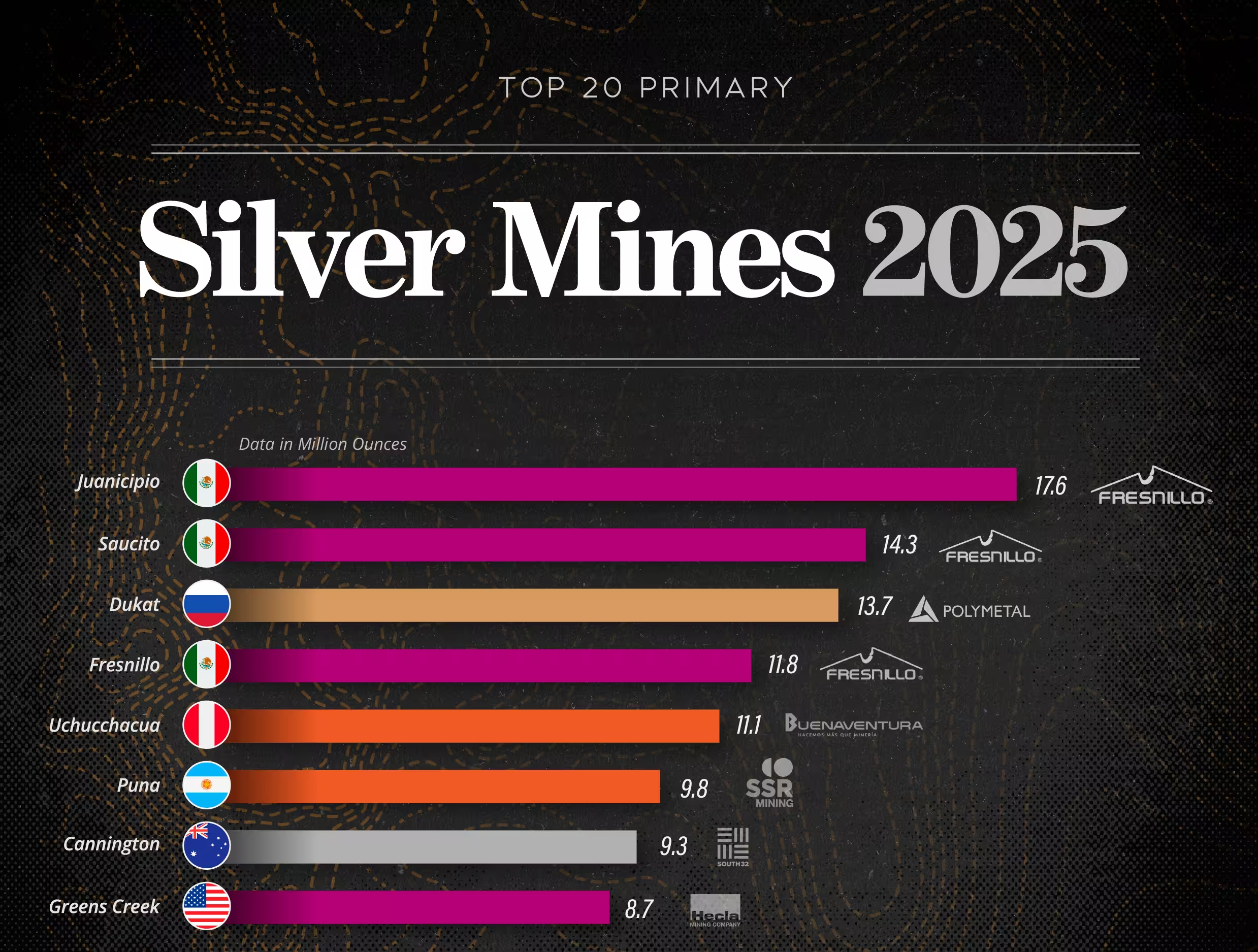
The World's 20 Largest Primary Silver Mines by 2025 Output
The World's 20 Largest Primary Silver Mines by 2025 Output
The single largest source of primary silver is a young mine in the Mexican state of Zacatecas. Juanicipio put out 17.6 million ounces in 2025, more than any other mine that earns its keep from silver itself rather than pulling it out as a byproduct of lead, zinc and gold. Fresnillo operates it and owns 56%; the other 44% changed hands in September 2025, when Pan American Silver completed a US$2.1 billion takeover of MAG Silver.
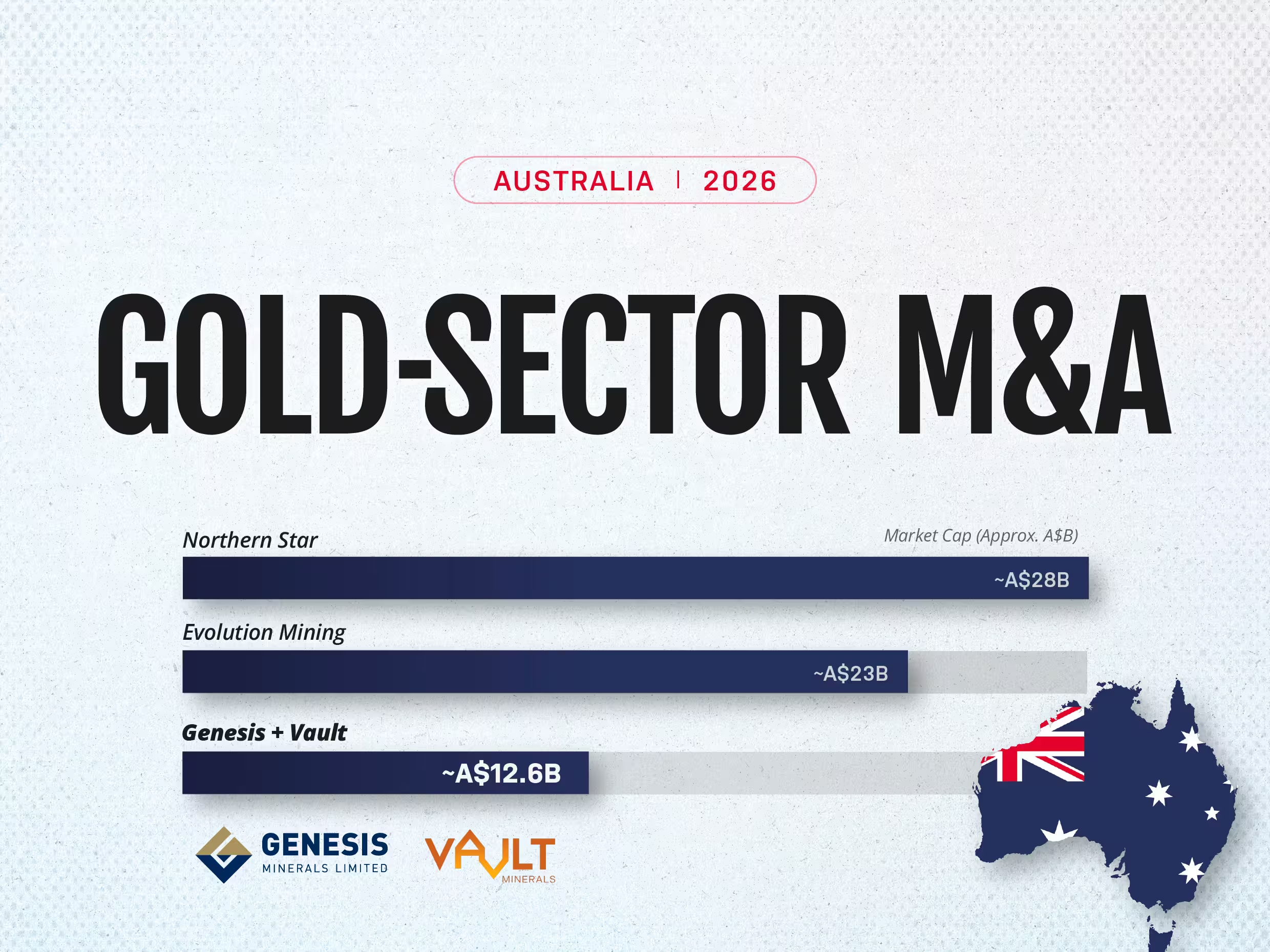
Gold's Record Run Has Set Off a Wave of Mining Mergers
Gold's Record Run Has Set Off a Wave of Mining Mergers
Gold hit an all-time high of about US$5,595 an ounce in January 2026 before settling near US$4,000, still far above the levels of a few years ago. That combination, record prices followed by a stable, still-profitable pullback, has done something a straight rally rarely does: it has opened a merger window.
.webp)
Three Ancient Belts Carry Ghana's Gold, and Investment Keeps Flowing to Them
Three Ancient Belts Carry Ghana's Gold, and Investment Keeps Flowing to Them
In March 2026, one of Ghana's own mining companies said it would invest about $1.2 billion in its operations at the Tarkwa and Damang gold mines. Both sit on the Ashanti belt, one of three narrow bands of ancient rock that carry almost all of Ghana's gold.
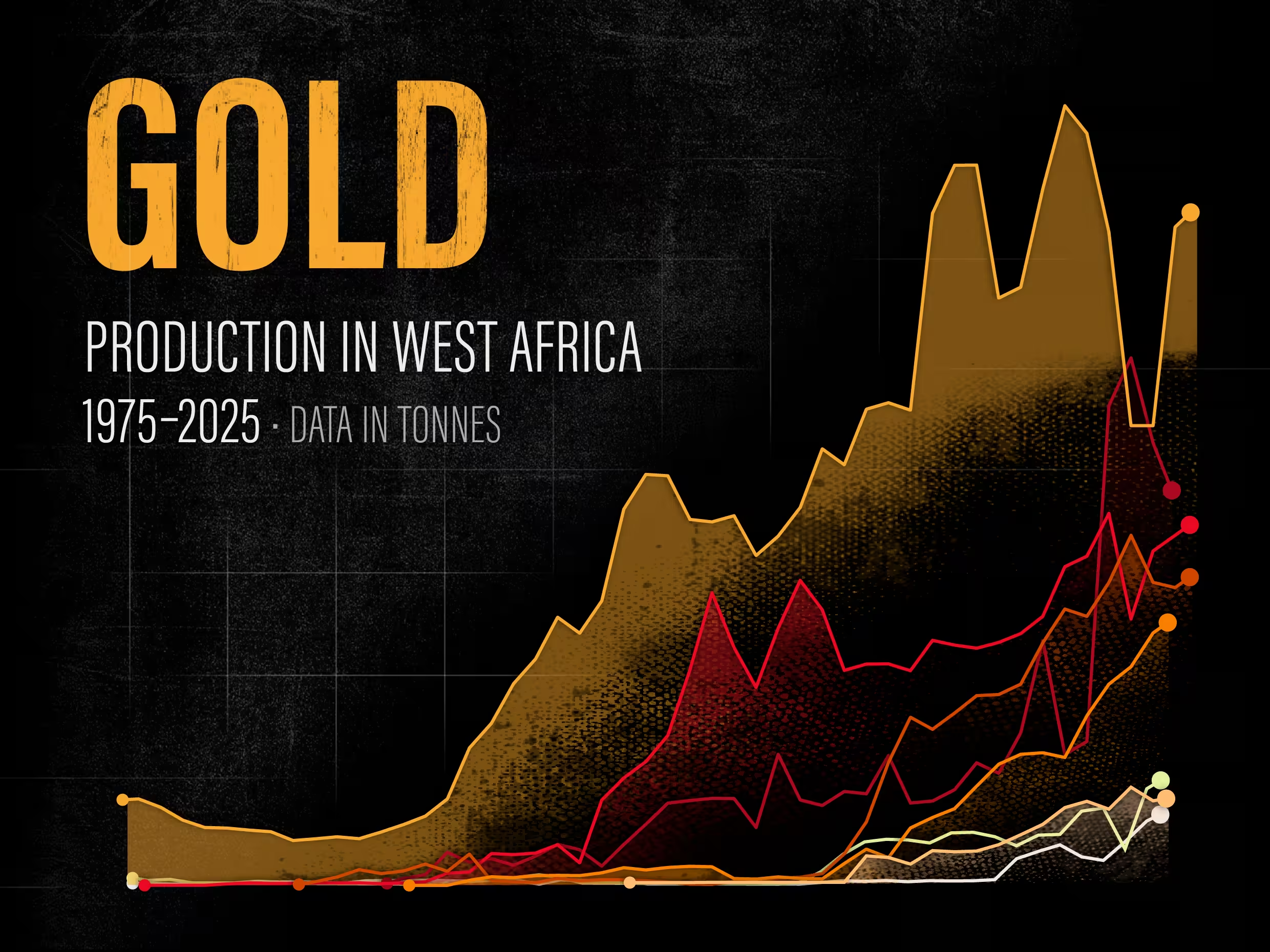
Charted: Fifty Years of Gold Production in West Africa
Charted: Fifty Years of Gold Production in West Africa
West Africa is in the middle of a gold run. In 2025 Ghana's output climbed more than 23 percent to a record 5.94 million ounces, holding its place as Africa's largest producer and now the sixth-largest in the world, and analysts expect the wider region to rebound about 8 percent in 2026.