Precious Metals
February 10, 2025
3 min
Precious Metals
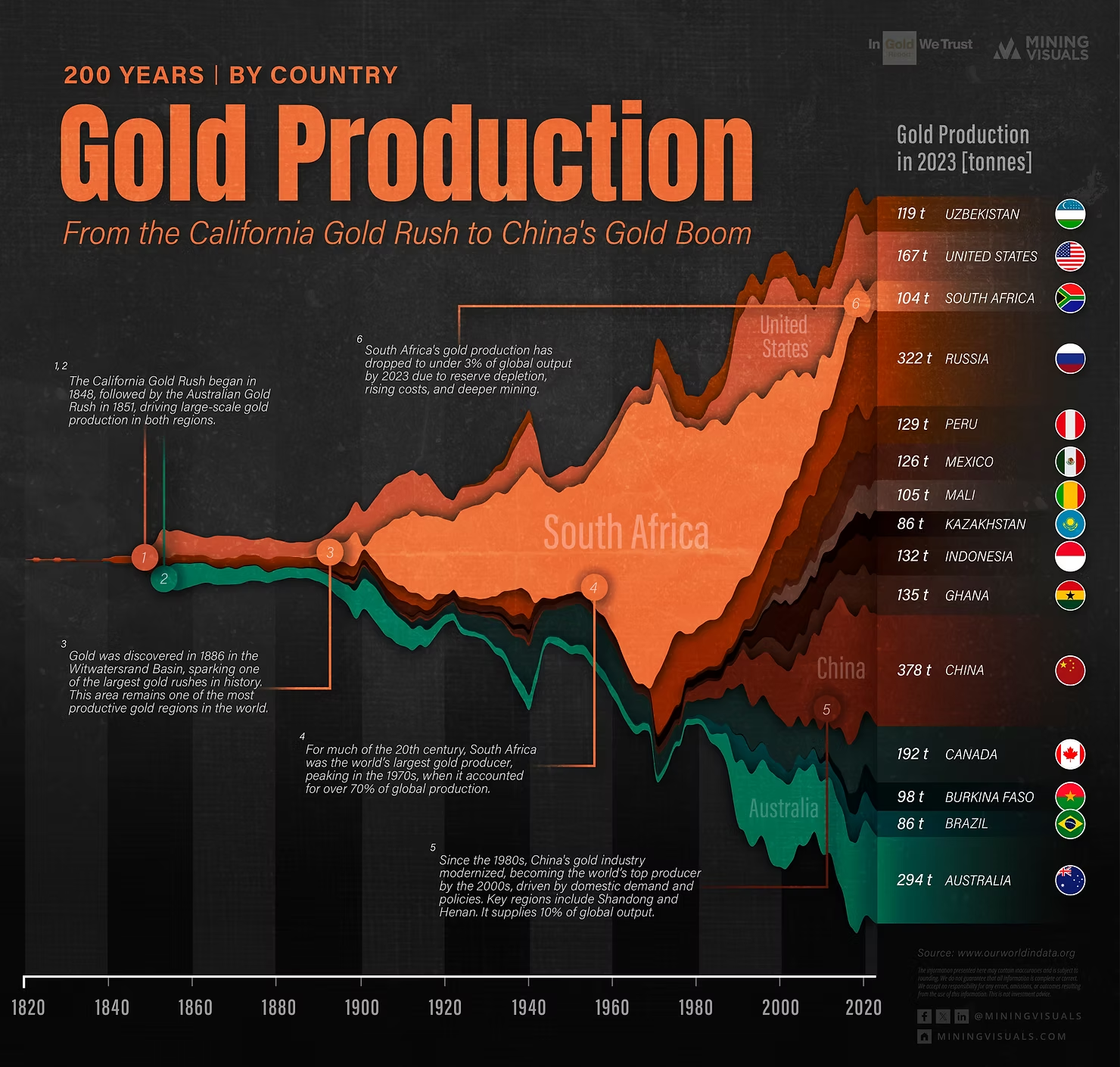

From the California Gold Rush to China's modern mining boom, gold production has undergone a dramatic transformation over the past two centuries. Driven by technological leaps, the discovery of vast deposits, and the ever-shifting sands of global economics and geopolitics, the story of gold mining is a fascinating reflection of human ingenuity and ambition. This article explores the key milestones in this 200-year journey, highlighting how these forces have shaped the industry we know today.
Early Days: A World of Limited Output (Pre-1800s)
Before the industrial revolution, gold extraction was a laborious process, relying heavily on manual labor and rudimentary techniques. Traditional methods like panning and sluicing yielded relatively small quantities of the precious metal. While significant gold rushes occurred in places like Brazil and Russia in the early 19th century, global gold production remained modest, estimated at less than 10 metric tons annually.
The Gold Rush Era: A Catalyst for Change (1840s-1890s)
The mid-19th century ignited a period of unprecedented gold fever, forever altering the landscape of gold production. The California Gold Rush (1848-1855) triggered a mass migration of fortune seekers, dramatically boosting gold output. This era also saw the rise of Australia as a major gold-producing nation, fueled by its own gold rushes in the 1850s. Perhaps most significant was the discovery of the Witwatersrand Basin in South Africa in 1886. This region would become the world's most prolific gold producer, shaping the industry for decades to come.
The 20th Century: Industrialization and the Rise of South Africa
The 20th century marked a turning point in gold mining. The gold standard, where nations backed their currencies with gold reserves, further amplified demand for the metal. Technological advancements, such as the development of cyanide extraction in the late 19th century and the rise of open-pit mining, revolutionized efficiency and scale. South Africa emerged as the undisputed king of gold production, reaching peak output in the 1970s and at one point supplying over 70% of the world's gold.
A Shifting Landscape: Decline and Diversification (Late 20th - Early 21st Century)
The late 20th and early 21st centuries witnessed a significant shift in the global gold landscape. South Africa's dominance waned as easily accessible deposits were depleted and production costs climbed. New players entered the arena, with China, Russia, and Australia becoming major gold producers. Furthermore, growing environmental and regulatory concerns led to stricter regulations, impacting expansion efforts in some regions.
The Modern Era: Recycling, Sustainability, and Geopolitical Influence
Today, China stands as the world's leading gold producer, followed by Australia, Russia, and the United States. An increasingly important trend is the rise of recycling and "urban mining," where gold is recovered from electronic waste and other sources. Gold continues to hold its position as a safe-haven asset, with central banks worldwide maintaining substantial reserves. However, the industry faces mounting scrutiny regarding sustainability. Environmental and ethical considerations, such as the use of mercury in extraction and the impact of deforestation, are driving a push for responsible mining practices.
The Future of Gold:
The future of gold production will likely be shaped by a complex interplay of factors. Technological innovation will continue to play a crucial role, potentially unlocking new extraction methods and improving efficiency. Geopolitical tensions and economic uncertainty will likely influence demand for gold as a safe-haven asset. Perhaps most importantly, the industry's commitment to sustainability will determine its long-term viability, as consumers and investors increasingly prioritize ethical and environmentally responsible practices. The journey of gold, from rudimentary panning to sophisticated industrial mining, is a testament to human innovation, and its future promises to be just as dynamic.
Source: https://ourworldindata.org/





Explore More
View All

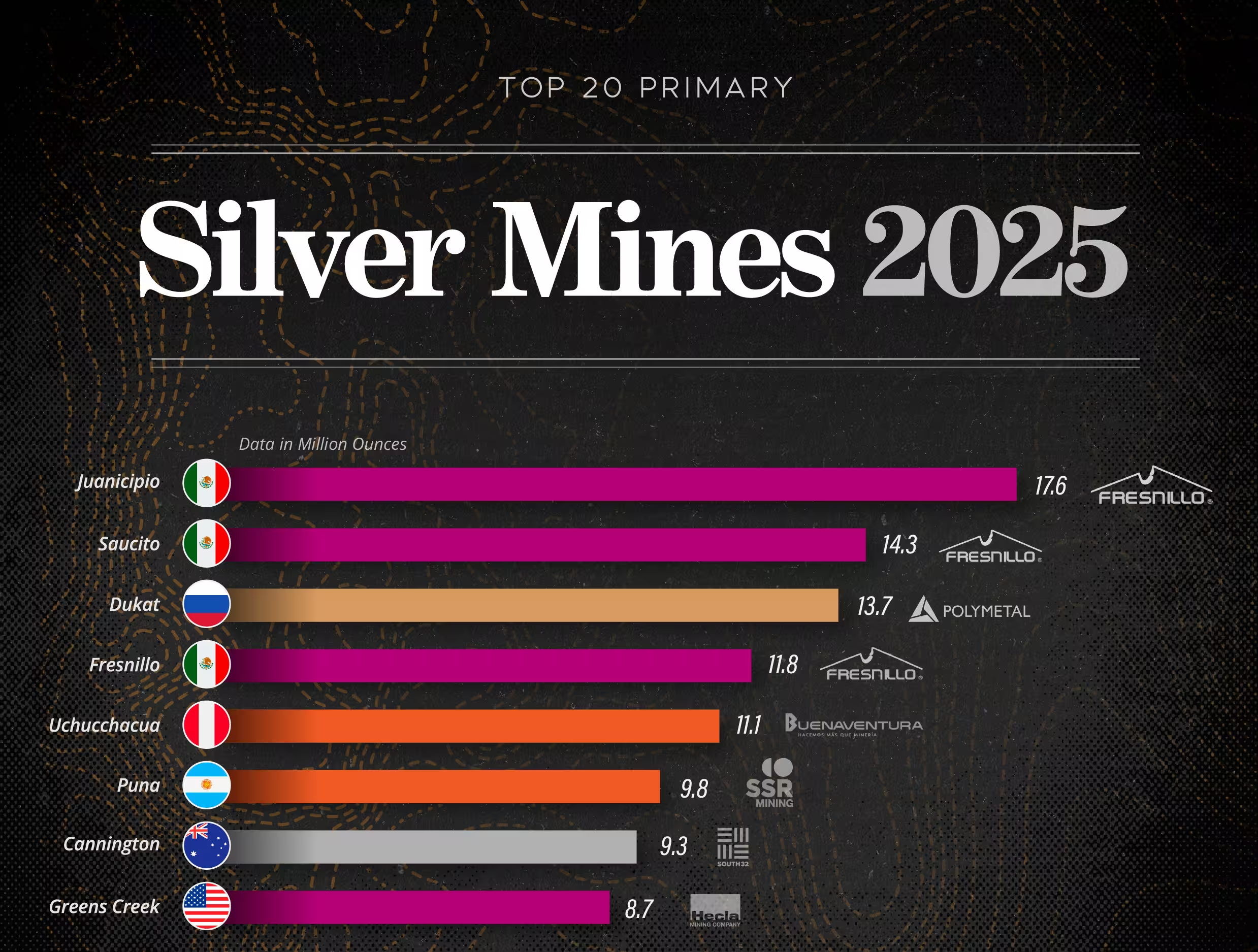
The World's 20 Largest Primary Silver Mines by 2025 Output
The World's 20 Largest Primary Silver Mines by 2025 Output
The single largest source of primary silver is a young mine in the Mexican state of Zacatecas. Juanicipio put out 17.6 million ounces in 2025, more than any other mine that earns its keep from silver itself rather than pulling it out as a byproduct of lead, zinc and gold. Fresnillo operates it and owns 56%; the other 44% changed hands in September 2025, when Pan American Silver completed a US$2.1 billion takeover of MAG Silver.
Gold's Record Run Has Set Off a Wave of Mining Mergers
Gold's Record Run Has Set Off a Wave of Mining Mergers
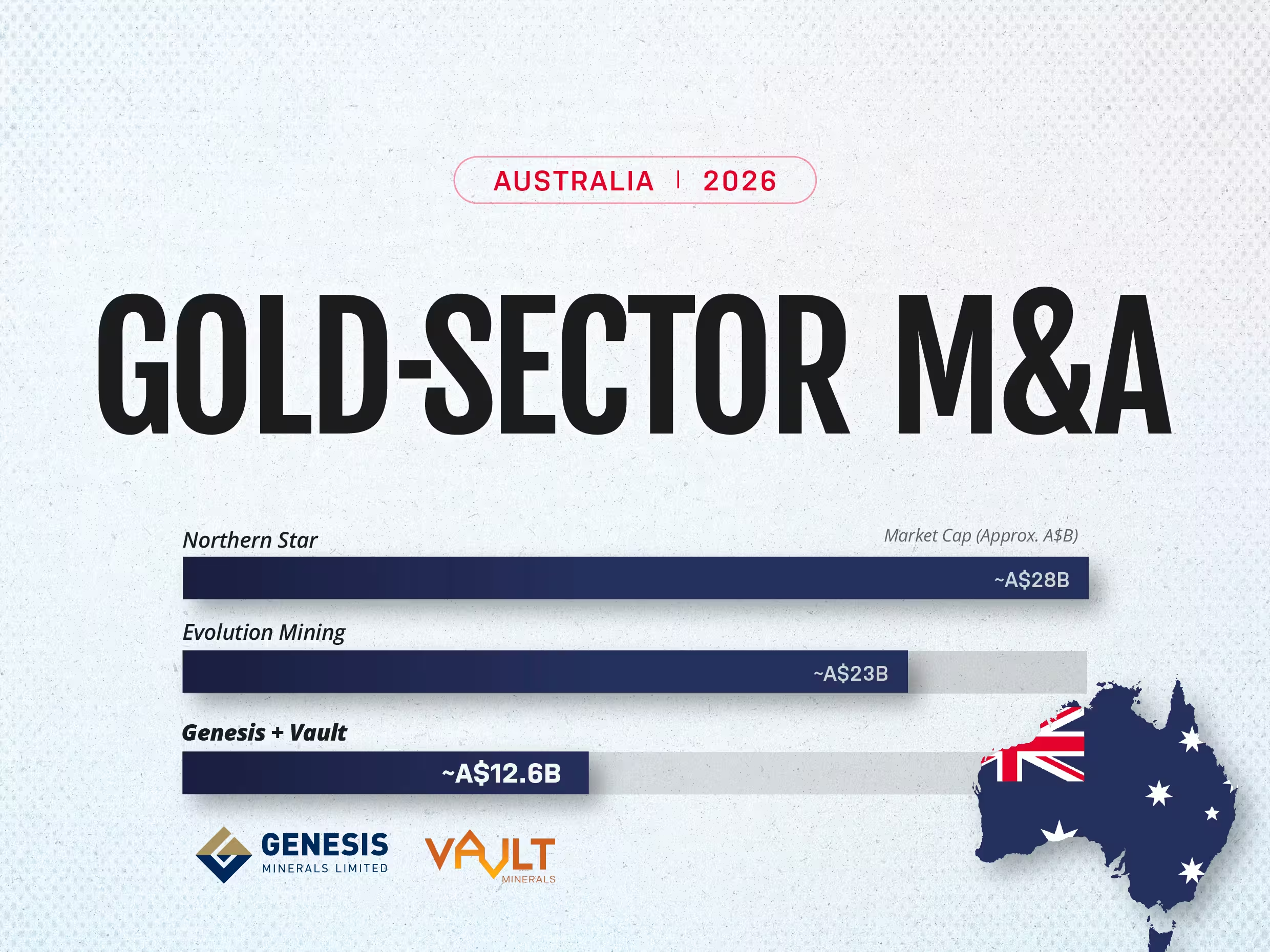
Gold hit an all-time high of about US$5,595 an ounce in January 2026 before settling near US$4,000, still far above the levels of a few years ago. That combination, record prices followed by a stable, still-profitable pullback, has done something a straight rally rarely does: it has opened a merger window.
.webp)
Three Ancient Belts Carry Ghana's Gold, and Investment Keeps Flowing to Them
Three Ancient Belts Carry Ghana's Gold, and Investment Keeps Flowing to Them
In March 2026, one of Ghana's own mining companies said it would invest about $1.2 billion in its operations at the Tarkwa and Damang gold mines. Both sit on the Ashanti belt, one of three narrow bands of ancient rock that carry almost all of Ghana's gold.
Charted: Fifty Years of Gold Production in West Africa
Charted: Fifty Years of Gold Production in West Africa
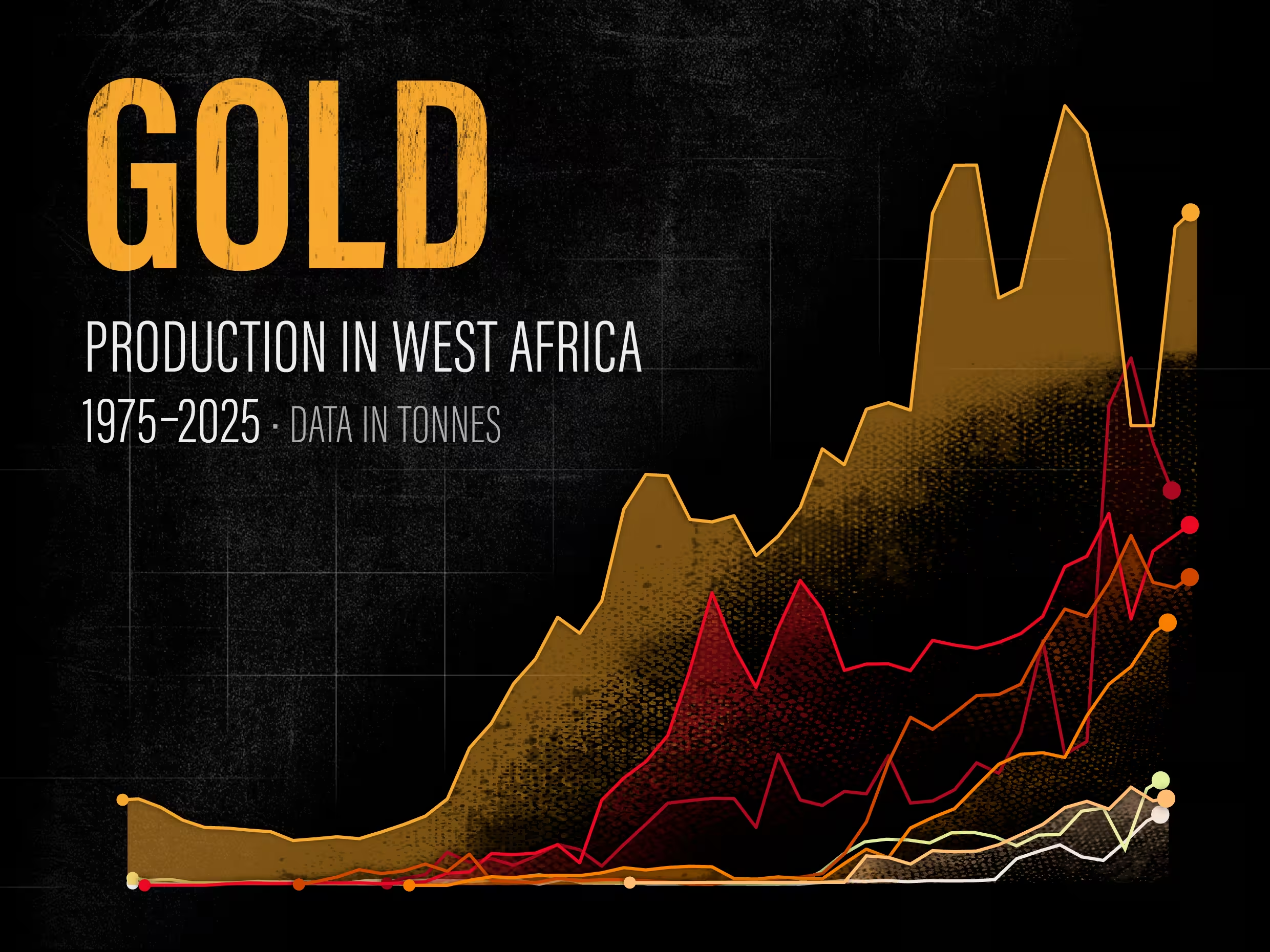
West Africa is in the middle of a gold run. In 2025 Ghana's output climbed more than 23 percent to a record 5.94 million ounces, holding its place as Africa's largest producer and now the sixth-largest in the world, and analysts expect the wider region to rebound about 8 percent in 2026.