Rare Earth
December 3, 2024
1 min
Rare Earth


Global rare earth element (REE) production reached approximately 350,000 metric tons in 2023. China maintained its dominance as the largest producer of rare earths, accounting for 240,000 metric tons, a significant rise from 210,000 tons in 2022. This output represents nearly 70% of the global total. China is home to some of the world's largest rare earth mines, with significant operations in key regions:
- Bayan Obo Mine (Inner Mongolia): This is the world's largest rare earth mine, accounting for a significant portion of global production. It primarily produces light rare earth elements such as neodymium and praseodymium.
- Maoniuping Mine (Sichuan Province): Known for its deposits of bastnaesite, this mine is one of the major producers of light rare earth elements in China.
- Weishan Rare Earth Mine (Shandong Province): This mine specializes in the extraction of monazite, a mineral source of rare earths.
The United States ranked second, producing 43,000 metric tons, primarily from the Mountain Pass mine in California. Other notable contributors included Australia (18,000 metric tons) and Myanmar (35,000 metric tons), while smaller outputs were recorded from India and Russia.
The critical role of rare earths in clean energy systems, such as permanent magnets used in EV motors and wind turbines, has made these elements increasingly valuable. However, global production remains highly concentrated, raising concerns about supply chain security amid geopolitical tensions, particularly between the U.S. and China.
As demand for these strategic materials grows, attention is shifting toward diversifying production sources and developing more sustainable extraction technologies to reduce environmental impact while meeting future needs
Source: U.S. Geological Survey, Mineral Commodity Summaries, January 2024





Explore More
View All

Behind Tin's 2026 Record High
Behind Tin's 2026 Record High
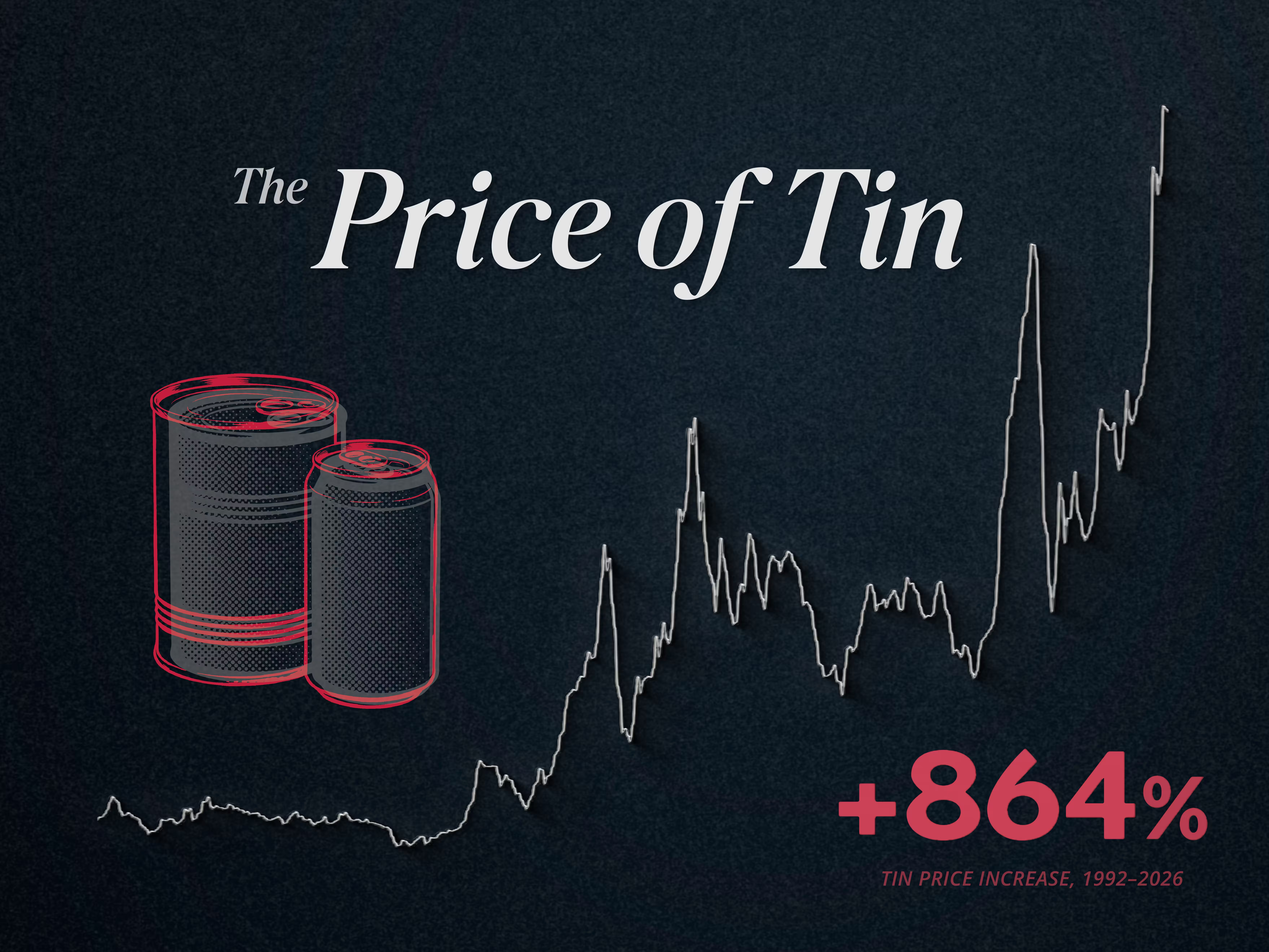
In January 2026, the London Metal Exchange three-month tin contract closed at US$53,462 a tonne, a nominal all-time high that surpassed the March 2022 peak, and it has traded near those levels since. The puzzle is that there is no shortage of tin today: exchange inventories actually rose as the price climbed, rather than being drawn down. Two very different things are holding the price up. The first is short-term: a wave of investor buying, which the industry says drove the January jump. The second is long-term: on current forecasts, the world will not mine enough tin to meet demand later this decade, a gap already projected before the rally began and expected to persist after it fades. The lasting story is that forecast shortfall, not the spike.
A Few Countries Control the World's Energy Transition Minerals
A Few Countries Control the World's Energy Transition Minerals
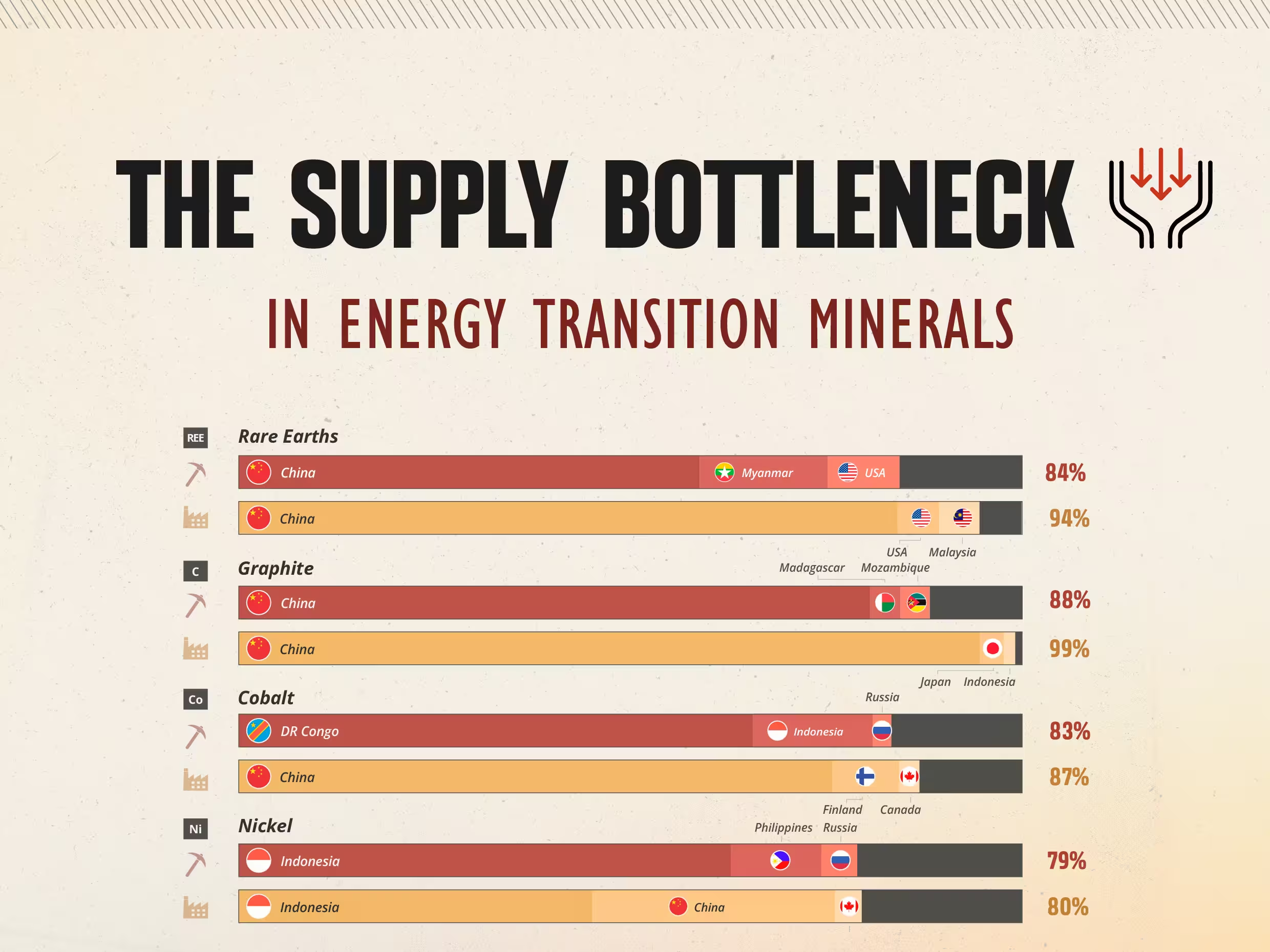
When China restricted exports of seven heavy rare earth elements and their magnets on 4 April 2025, factories felt it within weeks. Carmakers in the United States, Europe and Japan reported disruptions serious enough to cut output or halt production lines, and Washington negotiated a 90-day truce to restart the flow.
The Age of Giants: How Mining Shovels Grew, Peaked, and Deliberately Shrank
The Age of Giants: How Mining Shovels Grew, Peaked, and Deliberately Shrank
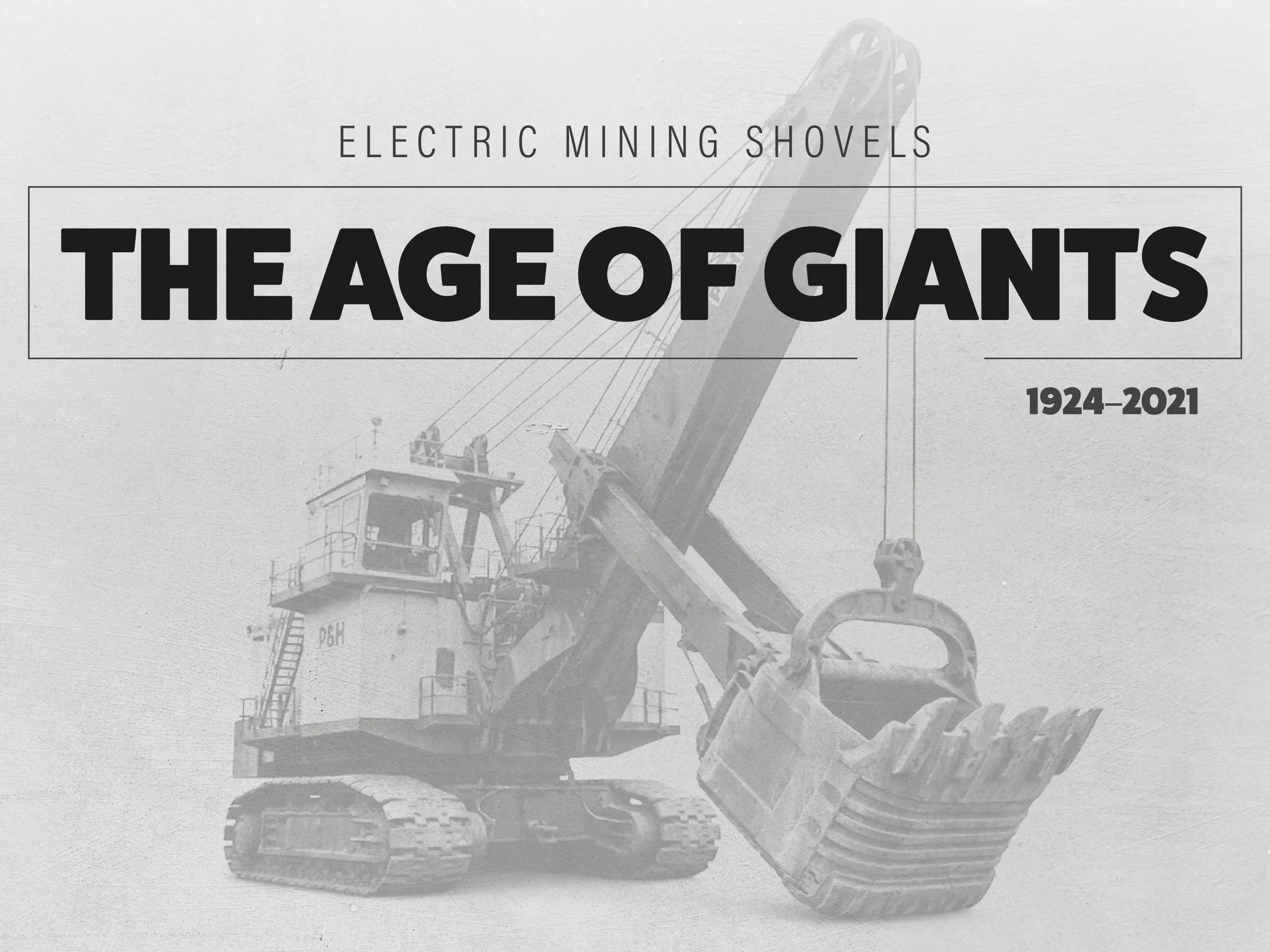
For four decades, the American coalfields hosted an engineering arms race measured in cubic metres of bucket. It ended not with a bigger machine, but with a deliberate retreat. The single largest mobile land machine ever built, the Marion 6360 "Captain," was commissioned in 1965 and destroyed by fire in 1991. No shovel has approached its scale since, and the machines that replaced it were smaller by design.
Where Indium Goes: The Metal Behind Screens, Chips, and Solar
Where Indium Goes: The Metal Behind Screens, Chips, and Solar
Indium is one of the metals you never see but use constantly. As indium tin oxide, it forms the transparent conductive coating on nearly every LCD and touchscreen, and that single application still accounts for most global consumption, according to the USGS. But the metal's role is broadening. Its compounds now sit inside the high-speed optical chips that route data through AI data centers, a shift that has turned a quiet, display-driven material into one buyers watch closely, especially as China refines about 70% of it and has begun tightening the flow.