Copper
October 31, 2024
3 min
Copper


In this article, we take a closer look at BHP’s latest report, BHP Insights: How Copper Will Shape Our Future, which projects a 70% surge in copper demand by 2050—an increase of 22.1 Mt from 2021 levels. To put this in perspective, 22.1 Mt is equivalent to the output of more than 16 Escondida mines running at full capacity (Escondida being the largest copper mine in the world). This growth in demand is expected to be fueled by three main drivers: traditional economic expansion, the global energy transition, and rapid digitalization.
Introduction
Copper has been a crucial part of economic growth and technological development for decades. Now, as the world moves faster toward a more sustainable and electrified future, copper’s importance is set to rise. Urbanization, electric vehicles, renewable energy, and consumer goods are all driving this demand. For those in the mining and resource industries, staying on top of these trends is key to navigating what’s ahead.
Broad-Based Copper Demand
Unlike in the past, when tech adoption came in waves, the next 25 years will see a simultaneous surge in copper demand worldwide. Electrification, decarbonization, and digitization are happening everywhere at once, from electric cars and renewable energy systems to the expansion of data centers. Copper is at the heart of all this, and it’s clear that industries like construction, capital goods, and consumer products will need a lot more of it to keep up.
Key Sectors Driving Demand (BHP forecast)
Two sectors stand out as the biggest drivers of copper demand: transport and power infrastructure. These sectors are leading the charge in global electrification and renewable energy, and their need for copper is set to be huge.
That said, other sectors like construction, expected to see a 38.46% rise by 2050, capital goods with a 53.33% increase, and consumer goods with a 59.57% jump, will also drive up copper consumption. But let’s focus on the two most critical sectors that will shape copper’s future: transport and power infrastructure.
1. Transport: The Biggest Growth Sector
Copper demand in the transport sector is set to skyrocket, forecasted to increase by a staggering 223.53% by 2050. We’re talking about going from 3.4 million metric tons (Mt) in 2021 to 11 Mt in 2050. Electric vehicles (EVs), which require a lot more copper than traditional cars, are a big part of this. And it’s not just the cars—charging stations, electrified rail systems, and public transport expansions will also fuel the rise in demand. Copper’s conductivity, durability, and recyclability make it irreplaceable in these applications, even with ongoing attempts at substitution.
2. Power Infrastructure: The Backbone of the Energy Transition
Copper demand in power infrastructure is forecasted to rise by 69.09%, from 5.5 Mt in 2021 to 9.3 Mt by 2050. This sector’s growth is being driven by the expansion of renewable energy systems, which use far more copper than traditional energy grids. Whether it’s wind turbines, solar panels, or energy storage, copper is key for efficient transmission and storage.
Plus, copper’s relatively low carbon footprint—compared to alternatives like aluminum—makes it an even better choice as industries aim for decarbonization.
Conclusion
Copper’s role in the global economy is about to get even bigger as we shift to a more electrified, sustainable future. For professionals in the mining sector, this presents a huge opportunity to not only meet growing demand but also push for innovation and sustainability. Copper is undeniably at the center of what’s next for technology and infrastructure, and it’s here to stay.

Sponsored by:

Arras Minerals is a mining exploration company focused on copper and gold projects in northeast Kazakhstan, with key assets including Elemes, Tay, and Beskauga. The company also partners with Teck Resources on a 1,900 sq km exploration area funded by Teck. Arras aims to expand exploration in Kazakhstan's prolific mineral belts, leveraging untapped potential through drilling and geological surveys to define resources and grow its portfolio.
Learn more about Arras Minerals at https://www.arrasminerals.com/
Source: BHP, read the full report at https://www.bhp.com/news/bhp-insights/2024/09/how-copper-will-shape-our-future
The information presented here may contain inaccuracies and is subject to rounding. We do not guarantee that all information is complete or correct. We accept no responsibility for any errors, omissions, or outcomes resulting from the use of this information. This is not investment advice.




Explore More
View All

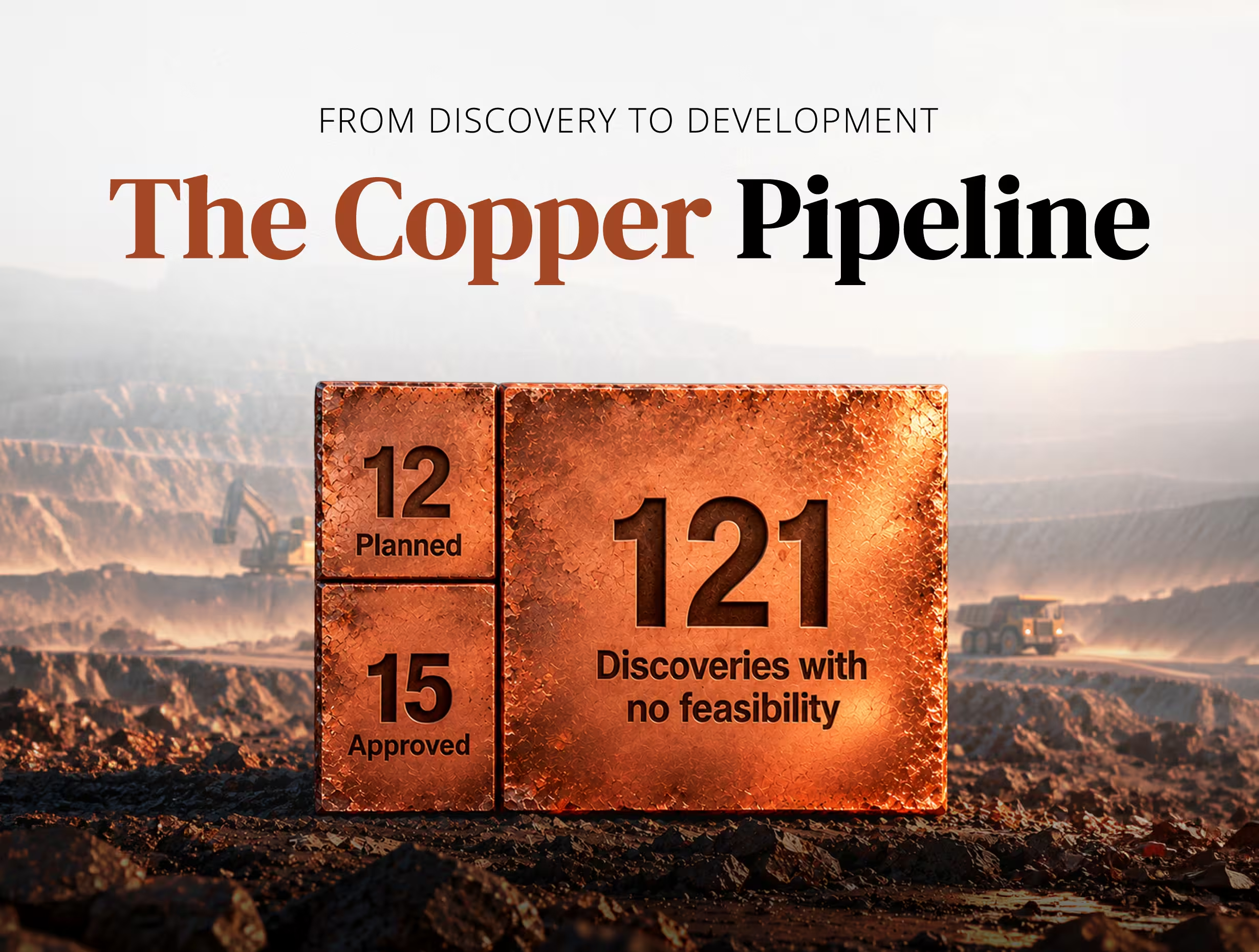
Most Major Copper Discoveries Since 1990 Are Still Not Mines.
Most Major Copper Discoveries Since 1990 Are Still Not Mines.
In May 2025, a joint venture of Lundin Mining and BHP released a resource estimate for its Vicuña district in the Andes, which S&P Global ranked as home to the largest greenfield copper discovery in 30 years. Per the same resource statement, the combined Filo del Sol and Josemaria deposits hold 13 million tonnes of contained copper in measured and indicated resources.
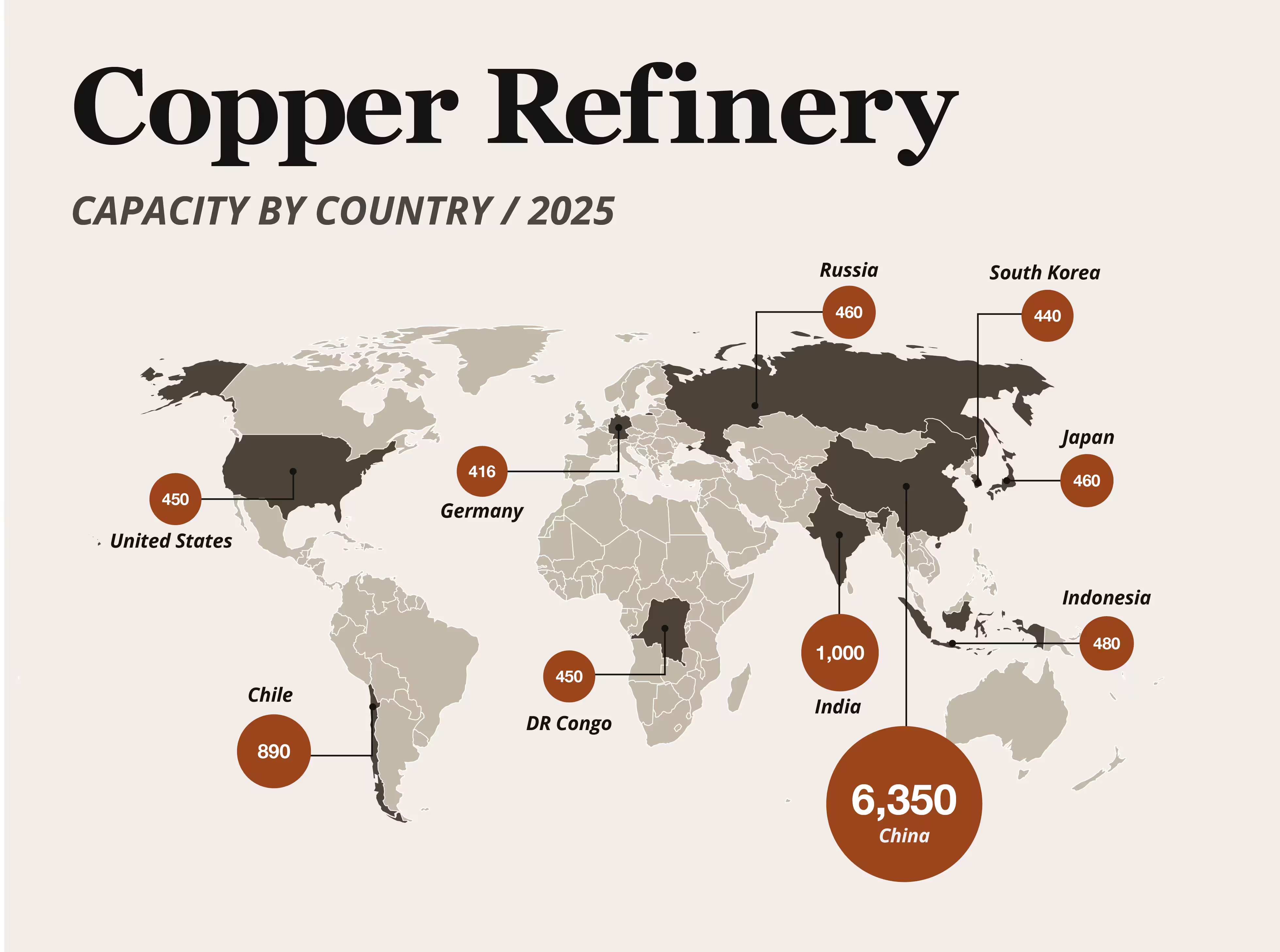
China Holds 56% of the Capacity at the World's 21 Largest Copper Refineries
China Holds 56% of the Capacity at the World's 21 Largest Copper Refineries
Indonesia's circle on the map above stands for a single plant: the Manyar refinery in East Java, operated by PT Freeport Indonesia, with 480,000 tonnes a year of capacity, according to the International Copper Study Group. It has been shut since the fourth quarter of 2025, after a mudflow at the Grasberg mine cut off its concentrate supply, and is due to restart this month at below 30% of capacity.
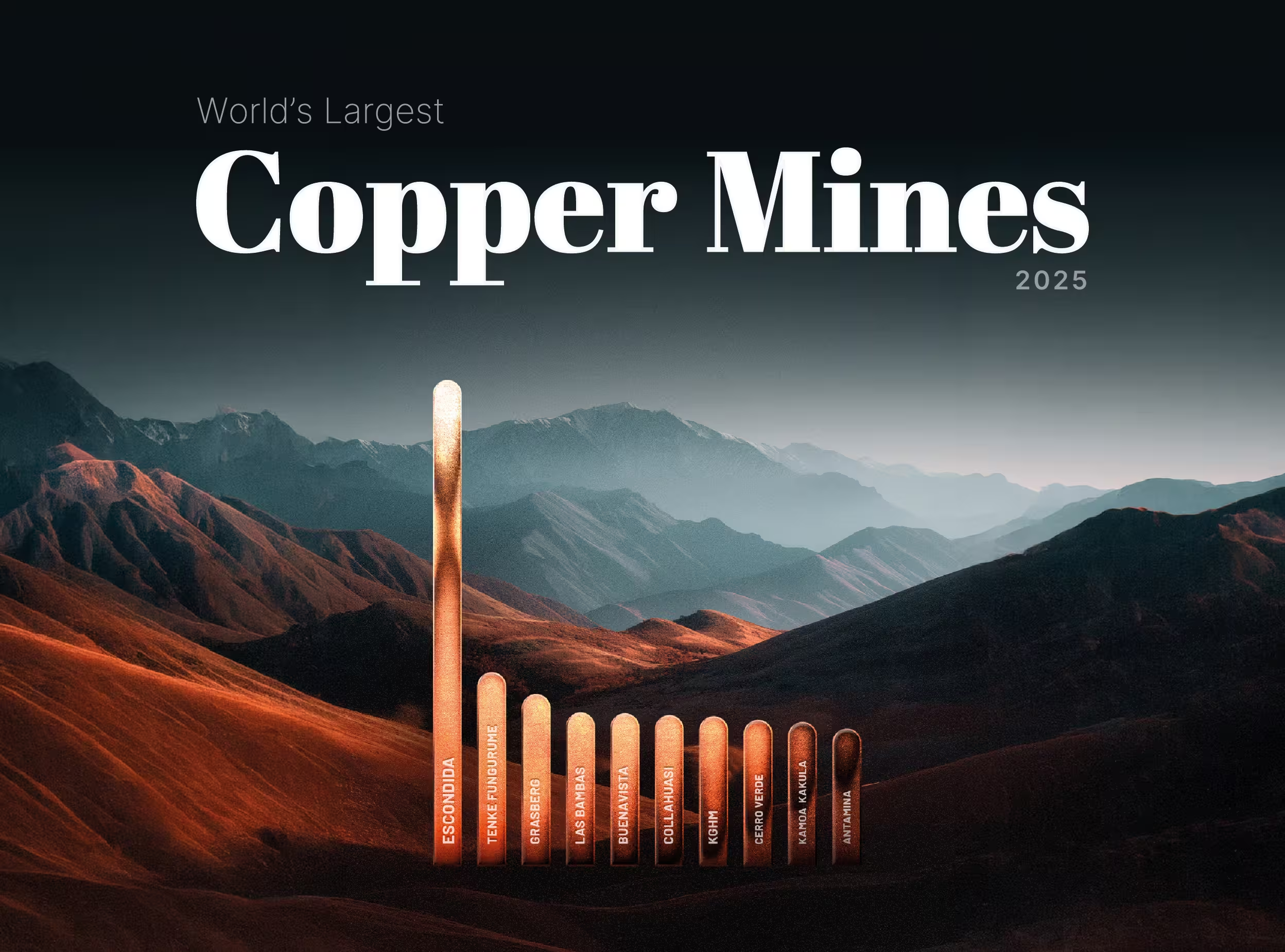
Ranked: The World's Largest Copper Mines (2025)
Ranked: The World's Largest Copper Mines (2025)
Copper has spent 2026 setting records, touching an intraday COMEX high of $6.71 per pound on May 13 amid AI-driven demand and supply shocks, against a backdrop where the ICSG now forecasts a 150,000-tonne deficit for 2026. In a market this tight, where the deficit thesis turns on lost tonnes, the question of where the world's copper actually comes from carries unusual weight.
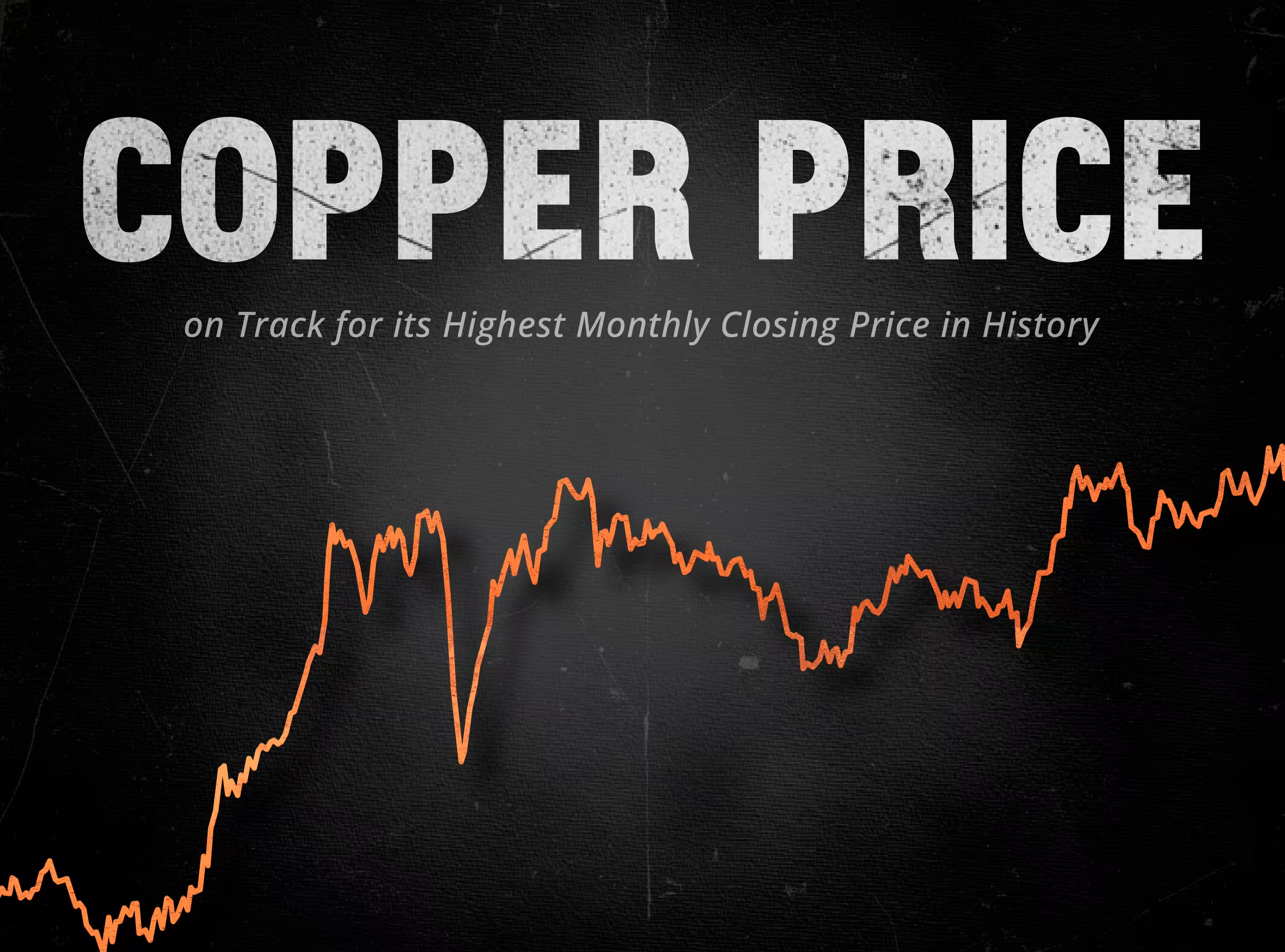
Copper on Track for Its Highest Monthly Close on Record: A Look at the Drivers
Copper on Track for Its Highest Monthly Close on Record: A Look at the Drivers
Copper has spent most of 2026 doing something it had not done in a quarter century: setting fresh records every few weeks. The COMEX contract printed an intraday all-time high of $6.71 per pound on May 13, and the May monthly close looks set to land at the top of the historical chart. In London, copper traded above $14,000 per tonne in mid-May, touching $14,196.50, within reach of the LME's January 29 record of $14,527.50.