Zinc
February 10, 2026
4 min
Zinc

Key takeaways
Key Takeaways
- Essential Green Infrastructure: Zinc acts as the "armor" for renewable energy, providing critical galvanization to protect solar and wind assets from corrosion while emerging as a non-flammable, abundant alternative to lithium for grid-scale battery storage.
- Global Food & Health Security: As a vital micronutrient, zinc biofortification in fertilizers combats "hidden hunger" by addressing soil deficiencies that affect 50% of global cereal crops and 17% of the human population.
- A Foundation for Sustainability: Beyond its 100% recyclability, zinc is indispensable in high-tech semiconductors and medical science, making it a primary driver of the circular economy and a resilient global supply chain.
While lithium, cobalt, and copper often dominate discussions about future-critical resources, zinc plays an equally vital, though often overlooked, role. Historically viewed as a standard base metal, its utility has evolved significantly. Zinc has moved beyond its traditional industrial roots to become a key component in human health, food security, and green energy technologies. This versatility makes it an essential element in the transition toward a decarbonized future.
Powering and Protecting Green Energy
It is easy to forget that renewable energy requires massive physical infrastructure. Solar and wind power are highly steel-intensive, which introduces a significant problem: rust. Without mitigation, corrosion can severely shorten the lifespan of the energy grid.
Zinc provides the literal armor for this transition. Through galvanization (hot-dip zinc coatings or thermal spray), it shields renewable infrastructure from the elements, ensuring a solar park or wind farm can last for decades. For perspective, offshore wind turbines typically require around 0.4 tonnes of zinc per megawatt of capacity (e.g., 4 tonnes for a 10 MW turbine) to maintain structural integrity against the harsh marine environment, with higher amounts possible for thicker coatings or larger foundations in aggressive conditions
But the real shift is happening in energy storage. As the world looks for safer alternatives to lithium for the power grid, zinc-based batteries are emerging as a primary contender. Because they utilize water-based electrolytes, they are inherently non-flammable—a "killer advantage" for large-scale energy storage in urban environments. Moreover, with zinc being approximately 3 to 4 times more abundant in the Earth's crust than lithium, it offers a more stable and cost-effective supply chain for the long-term energy transition.
From Soil to Soul: A Micronutrient Powerhouse
Zinc’s versatility extends far beyond the industrial. It is one of the few elements that is as critical to a computer chip as it is to a human lung.
Currently, up to 50% of global cereal soils are estimated to be zinc-deficient, a "hidden hunger" that limits crop yields and reduces the nutritional value of our food. When soils lack zinc, the crops grown there lack the nutrients required for a healthy human immune system.
By integrating zinc into fertilizers, we aren't just increasing crop tonnage; we are "biofortifying" our food supply. This is a frontline defense combating malnutrition for the estimated 17% of the global population at risk of zinc deficiency, which is essential for over 300 enzymatic reactions in the human body.
Why the Future is Zinc-Heavy
As we look toward 2030, the demand for zinc is projected to rise, driven by three major shifts:
- High-Tech Hardware: In the electronics sector, zinc-based compounds (e.g., zinc oxide (ZnO) or cadmium zinc telluride (CZT)) are key materials in semiconductors and high-performance sensors, enabling applications from medical imaging (e.g., precise radiation detection in CT/SPECT systems) to emerging high-frequency technologies (e.g., sensors in flexible electronics or optoelectronics for network devices).
- The Circular Economy: Zinc is 100% recyclable without any loss in quality. In fact, its established recycling infrastructure makes it a cornerstone of sustainable resource management, with secondary production growing steadily to meet rising demand International Zinc Association - Sustainability.
- Health & Pharmaceuticals: Beyond basic supplements, zinc is essential for insulin stabilization and advanced wound healing, ensuring its place in the future of medical science.
A Critical Link in the Chain
Zinc is unique because it doesn't just do one thing well; it does everything. It protects our infrastructure, powers our electronics, stabilizes our climate, and nourishes our bodies. As we move deeper into an era defined by resource efficiency and sustainability, our reliance on this versatile element will only grow.
In the race to build a more resilient world, zinc isn't just a participant—it’s the foundation.
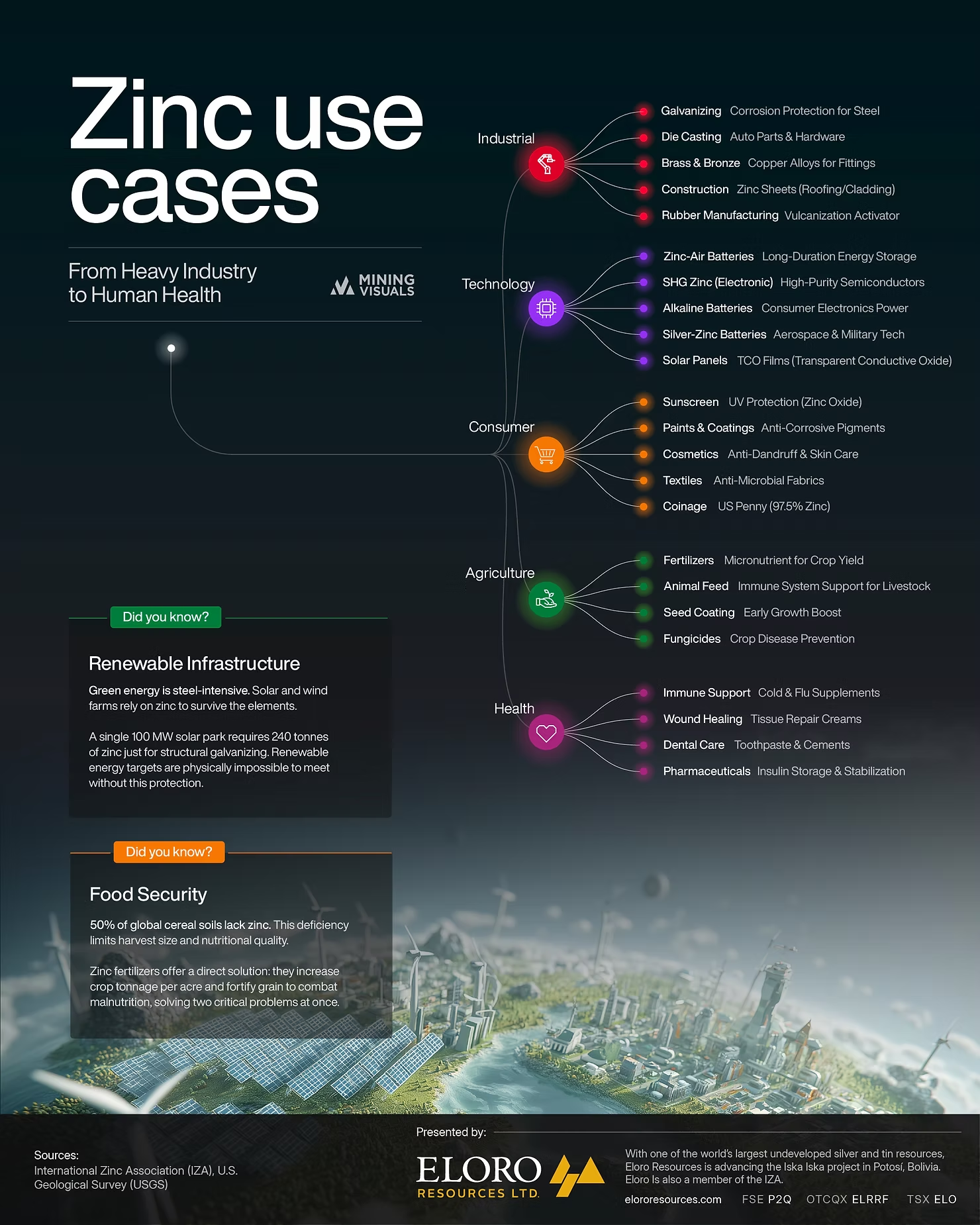
Zinc Use Cases
Sponsored by:

Eloro Resources Ltd. is a mineral exploration company advancing a world-class silver and tin project in Bolivia’s historic Potosí Department. Its flagship asset, the Iska Iska Project, ranks among the top five undeveloped global resources in terms of scale for both tin and silver.
This significant grassroots discovery remains open in multiple directions, offering substantial potential for continued expansion and resource enhancement. Iska Iska benefits from strong infrastructure access and a deeply rooted presence in Bolivia, supported by an experienced management team and meaningful community engagement.
Eloro’s strategy is focused on resource growth, strategic partnerships, and establishing a leading position within the global mining sector.
Learn more at
http://elororesources.com/



Explore More
View All

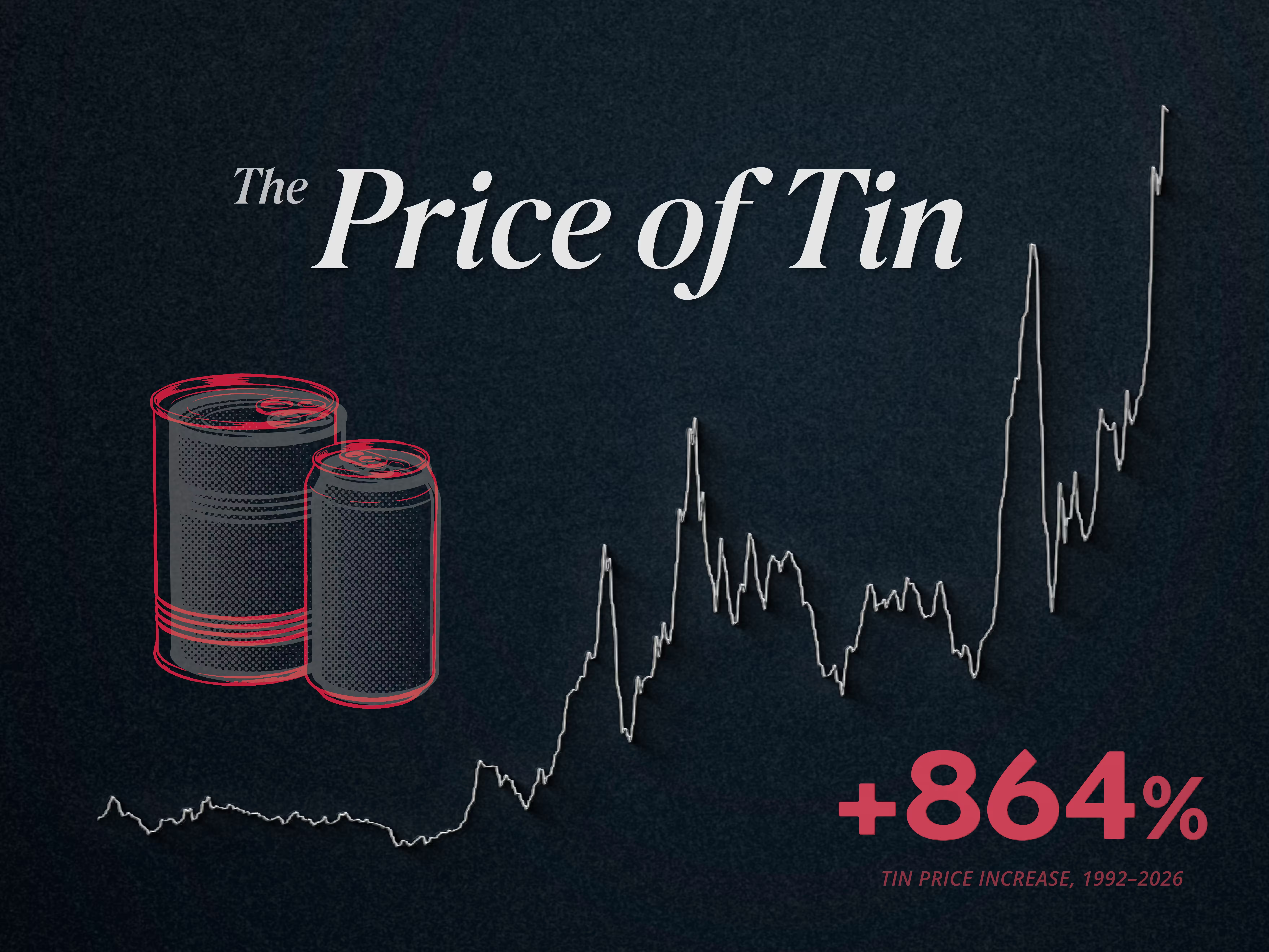
Behind Tin's 2026 Record High
Behind Tin's 2026 Record High
In January 2026, the London Metal Exchange three-month tin contract closed at US$53,462 a tonne, a nominal all-time high that surpassed the March 2022 peak, and it has traded near those levels since. The puzzle is that there is no shortage of tin today: exchange inventories actually rose as the price climbed, rather than being drawn down. Two very different things are holding the price up. The first is short-term: a wave of investor buying, which the industry says drove the January jump. The second is long-term: on current forecasts, the world will not mine enough tin to meet demand later this decade, a gap already projected before the rally began and expected to persist after it fades. The lasting story is that forecast shortfall, not the spike.
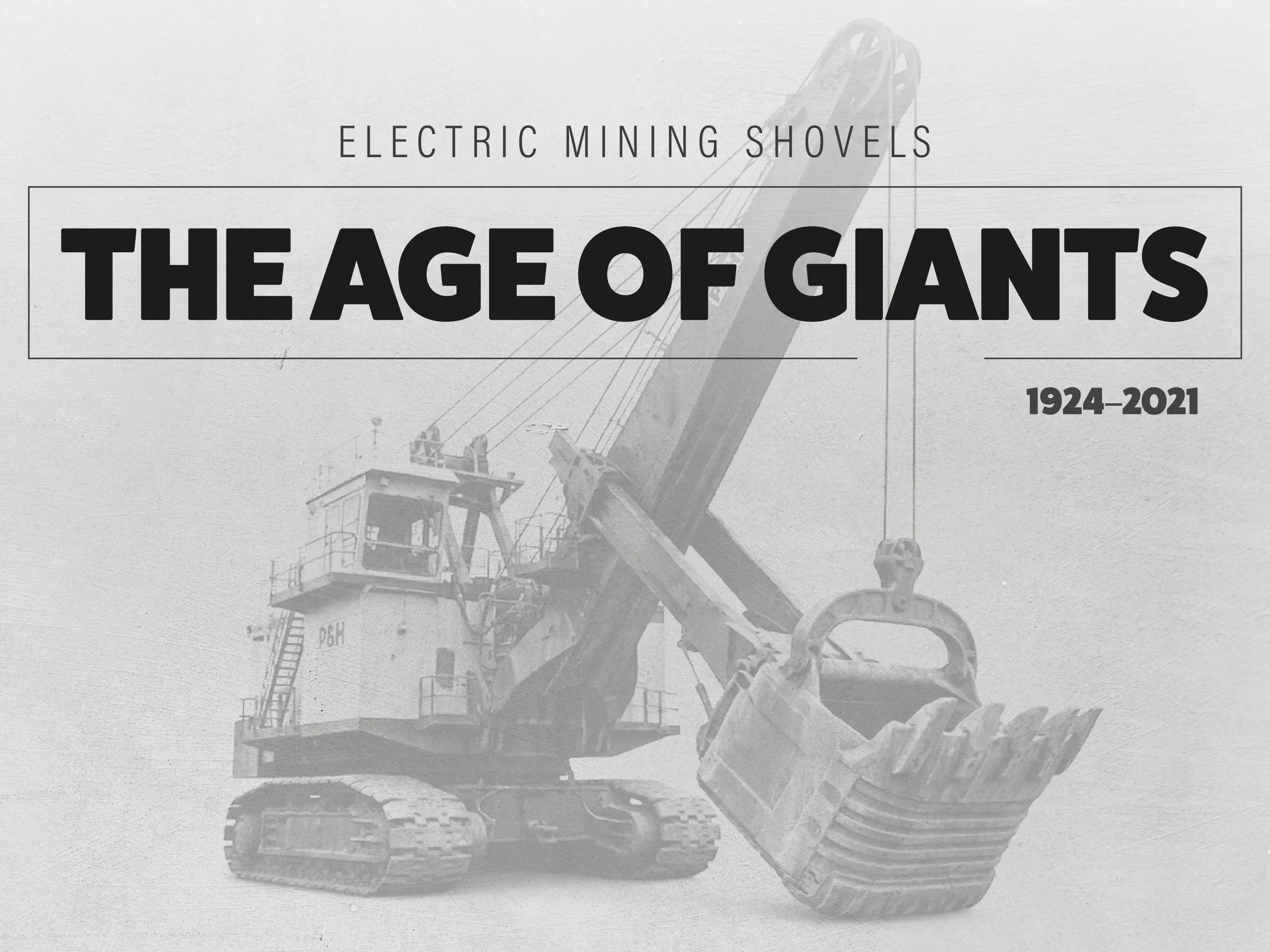
The Age of Giants: How Mining Shovels Grew, Peaked, and Deliberately Shrank
The Age of Giants: How Mining Shovels Grew, Peaked, and Deliberately Shrank
For four decades, the American coalfields hosted an engineering arms race measured in cubic metres of bucket. It ended not with a bigger machine, but with a deliberate retreat. The single largest mobile land machine ever built, the Marion 6360 "Captain," was commissioned in 1965 and destroyed by fire in 1991. No shovel has approached its scale since, and the machines that replaced it were smaller by design.
Where Indium Goes: The Metal Behind Screens, Chips, and Solar
Where Indium Goes: The Metal Behind Screens, Chips, and Solar
Indium is one of the metals you never see but use constantly. As indium tin oxide, it forms the transparent conductive coating on nearly every LCD and touchscreen, and that single application still accounts for most global consumption, according to the USGS. But the metal's role is broadening. Its compounds now sit inside the high-speed optical chips that route data through AI data centers, a shift that has turned a quiet, display-driven material into one buyers watch closely, especially as China refines about 70% of it and has begun tightening the flow.
Rare Earths and the F-35: The Defense Supply-Chain Bottleneck Behind America's Most Advanced Fighter Jet
Rare Earths and the F-35: The Defense Supply-Chain Bottleneck Behind America's Most Advanced Fighter Jet
In September 2022, the Pentagon quietly stopped taking delivery of new F-35 fighter jets. The reason was not a design flaw or a manufacturing defect. A single small magnet inside the plane's engine had been made using an alloy from China, which is banned under U.S. defense procurement law.