Nickel
December 18, 2025
3 min
Nickel


While the world’s largest nickel mines are often visualized as massive craters in the earth, the real story of 2025 isn't just about what is being pulled out of the ground—it's about the high-stakes chemistry happening right next to it.
The infographic covering 2023 production data highlights the sheer scale of the Weda Bay Project, but the true disruptor is a single acronym: HPAL. This technological “skeleton key” has allowed Indonesia to unlock massive reserves of low-grade ore and convert them into the high-purity, battery-grade nickel that the EV industry craves.
The Global Shift: From Sulfide to Laterite
Historically, the nickel industry was a "club" of high-grade sulfide mines in cold climates. Today, the center of gravity has shifted to tropical laterite deposits.
Turning "Dirt" into Gold
High-Pressure Acid Leaching (HPAL) changed the math. By "cooking" laterite ore at extreme temperatures and pressures, miners can now chemically extract nickel and cobalt with surgical precision. This process creates Mixed Hydroxide Precipitate (MHP)—the low-cost feedstock currently fueling the global battery boom.
Why Indonesia is Now the "OPEC of Nickel"
In 2018, Indonesia was a major player, but not a hegemon. By banning raw ore exports, the government forced giants like Tsingshan and Huayue to build massive refining complexes on-site, leading to a production explosion that has left other nations in the dust.
The result? A vertically integrated powerhouse. Indonesian processing costs now sit at roughly $4.50–$6.50/lb, nearly half the cost of traditional operations in Australia or Canada.
The Paradox: Green Metal, Black Energy
The rise of Southeast Asian nickel comes with a shadow. To run the massive autoclaves required for HPAL, many industrial parks rely on captive coal-fired power plants.
As Western automakers face stricter "Green Passport" regulations, the next battle won't be fought over volume, but over carbon intensity.
Top 10 Nickel Mines (2023 Production in Tonnes)
Sources & References
Primary Mine Rankings:
- Mining Digital: Top 10: World’s Largest Nickel Mines
Production Data & Market Share:
- U.S. Geological Survey (USGS): Mineral Commodity Summaries 2024 & 2025 – Nickel
- S&P Global Market Intelligence: Indonesia Mining by the Numbers 2024
- International Nickel Study Group (INSG): World Nickel Market Balance 2024-2025
Technical & ESG Analysis (HPAL):
- International Energy Agency (IEA): Global Critical Minerals Outlook 2024
- Climate Rights International: Ongoing Harms: Climate and Environmental Violations in the Indonesian Nickel Industry
- Wyloo Metals: Nickel’s Role in the Energy Transition & Carbon Footprint Analysis
Corporate Data:
- Weda Bay Nickel: Operations and 2023 Production Milestones
- Harita Nickel (PT TBP): Sustainability and HPAL Technology Report 2023




Explore More
View All

Behind Tin's 2026 Record High
Behind Tin's 2026 Record High
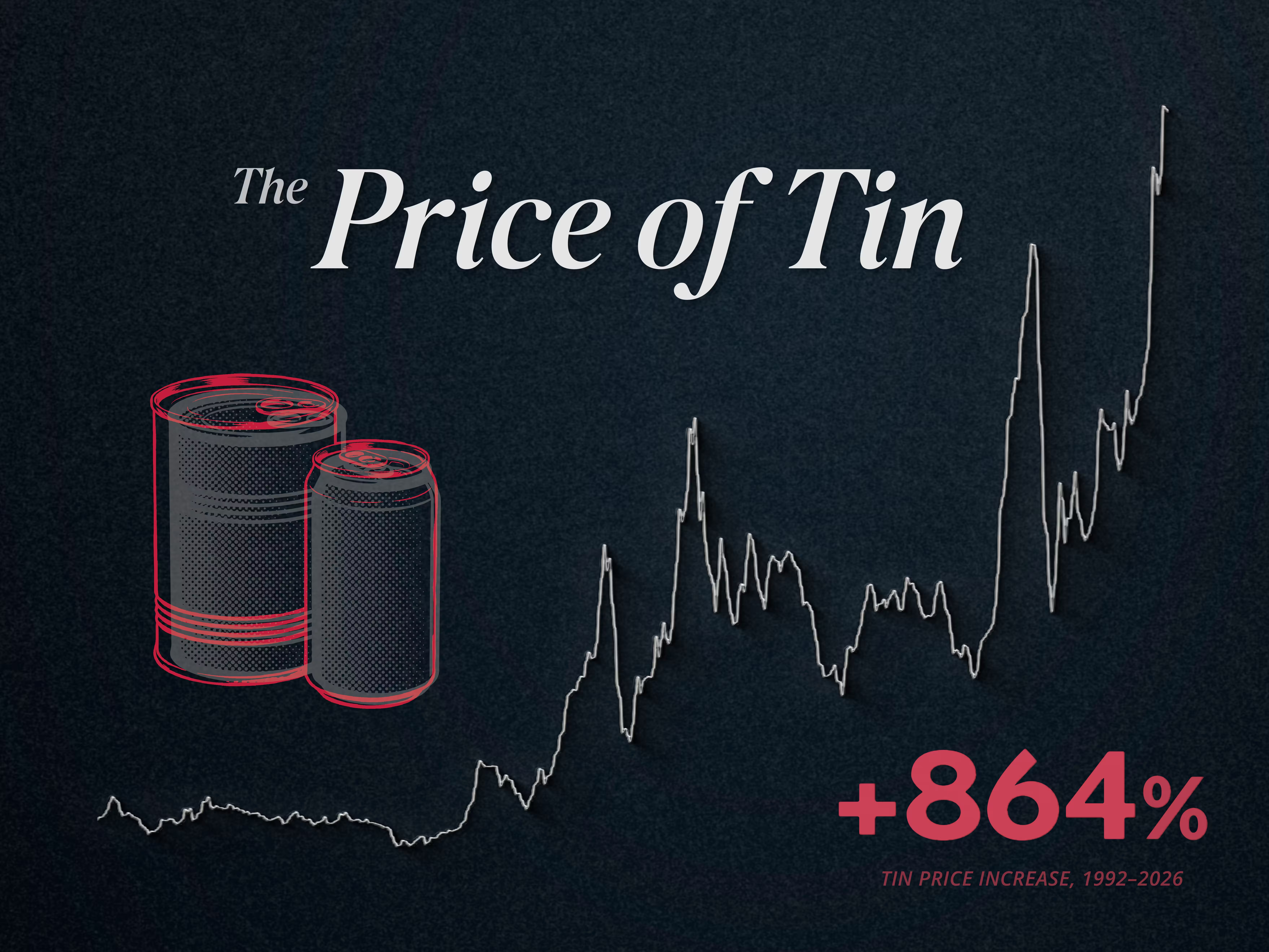
In January 2026, the London Metal Exchange three-month tin contract closed at US$53,462 a tonne, a nominal all-time high that surpassed the March 2022 peak, and it has traded near those levels since. The puzzle is that there is no shortage of tin today: exchange inventories actually rose as the price climbed, rather than being drawn down. Two very different things are holding the price up. The first is short-term: a wave of investor buying, which the industry says drove the January jump. The second is long-term: on current forecasts, the world will not mine enough tin to meet demand later this decade, a gap already projected before the rally began and expected to persist after it fades. The lasting story is that forecast shortfall, not the spike.
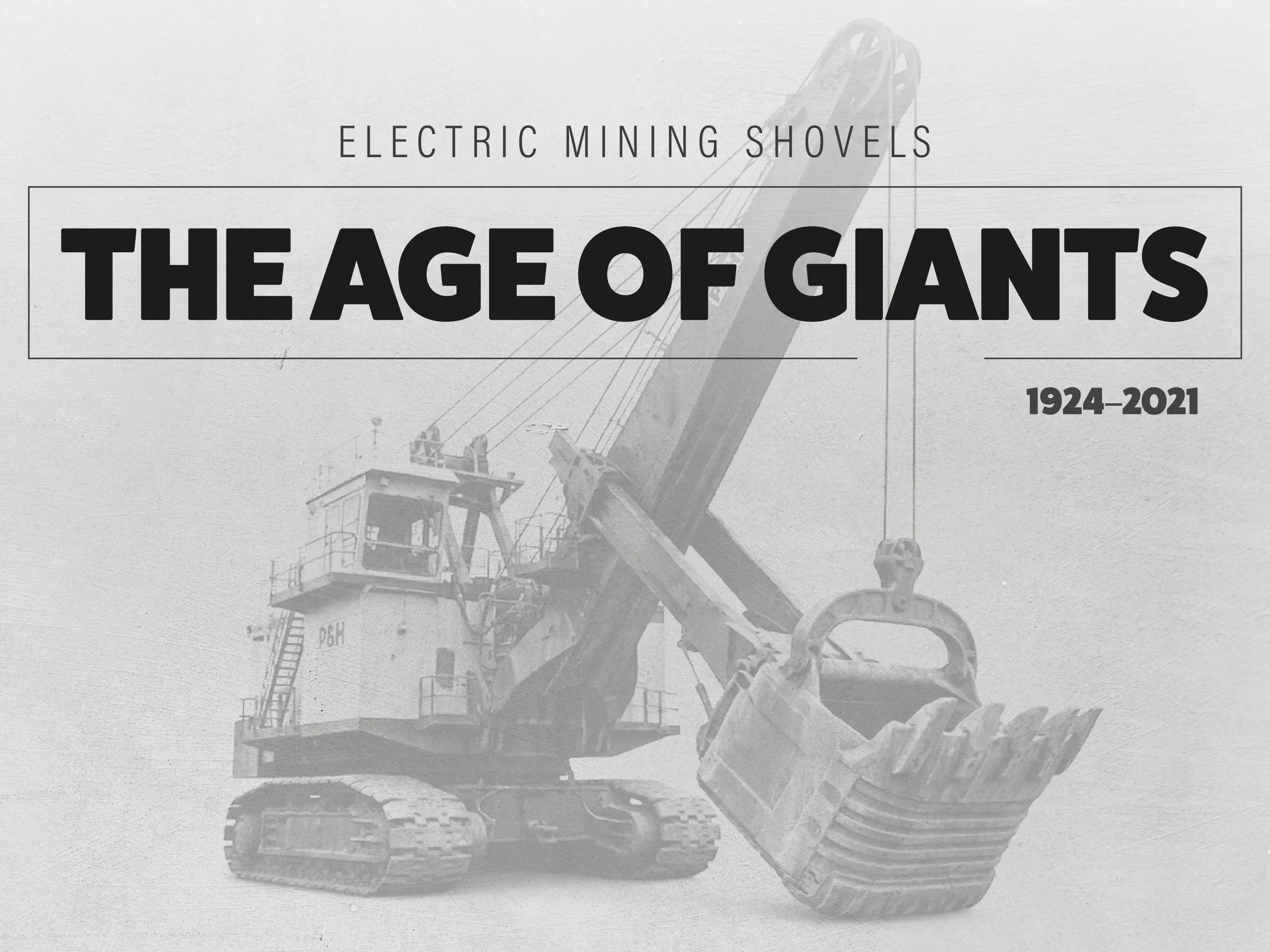
The Age of Giants: How Mining Shovels Grew, Peaked, and Deliberately Shrank
The Age of Giants: How Mining Shovels Grew, Peaked, and Deliberately Shrank
For four decades, the American coalfields hosted an engineering arms race measured in cubic metres of bucket. It ended not with a bigger machine, but with a deliberate retreat. The single largest mobile land machine ever built, the Marion 6360 "Captain," was commissioned in 1965 and destroyed by fire in 1991. No shovel has approached its scale since, and the machines that replaced it were smaller by design.
Where Indium Goes: The Metal Behind Screens, Chips, and Solar
Where Indium Goes: The Metal Behind Screens, Chips, and Solar
Indium is one of the metals you never see but use constantly. As indium tin oxide, it forms the transparent conductive coating on nearly every LCD and touchscreen, and that single application still accounts for most global consumption, according to the USGS. But the metal's role is broadening. Its compounds now sit inside the high-speed optical chips that route data through AI data centers, a shift that has turned a quiet, display-driven material into one buyers watch closely, especially as China refines about 70% of it and has begun tightening the flow.
Rare Earths and the F-35: The Defense Supply-Chain Bottleneck Behind America's Most Advanced Fighter Jet
Rare Earths and the F-35: The Defense Supply-Chain Bottleneck Behind America's Most Advanced Fighter Jet
In September 2022, the Pentagon quietly stopped taking delivery of new F-35 fighter jets. The reason was not a design flaw or a manufacturing defect. A single small magnet inside the plane's engine had been made using an alloy from China, which is banned under U.S. defense procurement law.