Tin
June 17, 2025
1 min
Tin


The following content is sponsored by Eloro Resources
Our latest infographic on tin (featured above) highlights a significant upward trend in its price, which has climbed +738% since 2001. This sustained rise, more than a temporary fluctuation, reflects tin's growing importance in our modern world. Several key factors are driving this rally: robust demand from tech and green energy sectors, notable supply disruptions, and constrained global inventories, as market analyses have indicated (e.g., Oedigital, April 2, 2025)¹.
This article delves deeper into these dynamics, exploring the essential applications of tin and the market forces that have propelled its price, referencing data presented in our infographic which is derived from industry-leading sources.
Tin's Indispensable Role: From Electronics to the Energy Transition
Tin isn't just another metal on the periodic table; its unique properties make it an essential, often irreplaceable, ingredient in a vast array of modern applications. It is deeply embedded in our daily lives and future technologies. When you look at where tin goes – according to 2023 data from the International Tin Association (ITA)² – a few key areas clearly dominate:
- Electronics Solder (51%): As the cornerstone of solder, tin is the essential "glue" connecting components on circuit boards. The proliferation of consumer electronics (smartphones, computers, gaming consoles), advanced automotive electronics, 5G infrastructure, and the Internet of Things (IoT) continually fuels strong demand in this largest end-use segment.
- Alloys & Energy Technologies (accounted for within the "Batteries/Alloys/Other" 22% segment): This segment highlights tin's rapidly expanding role in the green energy transition. Tin is proving increasingly critical in emerging battery technologies, including for Li-ion (as an anode material enhancing performance and stability) and sodium-ion (Na-ion) systems. Furthermore, every solar panel relies on tin-coated ribbons to conduct electricity, directly linking tin demand to renewable energy growth. Traditional uses in alloys like bronze and pewter also contribute.
- Chemicals & Protective Coatings (represented by "Tin Chemicals" 16% and "Tinplate" 11%): Tin chemicals serve diverse roles as PVC stabilizers and industrial catalysts. Tinplate (tin-coated steel) remains a crucial material for food and beverage packaging, valued for its corrosion resistance, non-toxicity, and recyclability, ensuring food safety and extending shelf life.
A Supply Chain Under Pressure
The recent price rally isn't solely a demand story; the supply side has faced significant, persistent headwinds, creating a volatile market:
- Supply Disruptions: The tin market has experienced considerable tightness, often linked to disruptions in major tin-producing nations. These can stem from regulatory changes (such as export policies in Indonesia), operational challenges at aging mines, underinvestment in new capacity, or regional instability (Oedigital, April 2, 2025)¹. Such events can quickly remove significant tonnage from the global market, directly impacting prices.
- Tight Global Inventories: With strong demand consistently outpacing new supply, the market has drawn down existing stockpiles. Current low global inventory levels, a situation highlighted by analysts (Oedigital, April 2, 2025)¹, exacerbate price volatility. This creates conditions of "tightness and short-covering," meaning there's less buffer to absorb supply shocks or unexpected demand surges, compelling buyers and further influencing prices.
Navigating a Critical Materials Market: Tin as a Barometer
The dynamics of the tin market illustrate its growing strategic importance. Its indispensable role in enabling both current and next-generation technologies, especially those pivotal for the green transition, firmly positions it as a critical material for the global economy.
For investors and industry stakeholders, tin's journey offers valuable lessons in understanding the complex interplay of rapidly evolving demand with a geographically concentrated and sometimes vulnerable supply chain – a pattern increasingly seen across various critical materials. This interplay suggests that the tin market, and by extension the broader critical minerals sector, will remain a key area to watch.
At MiningVisuals.com, we will continue to monitor and visually interpret these crucial trends, helping our audience navigate the evolving world of essential commodities. Understanding these fundamental drivers, based on data from sources like the International Tin Association (ITA)² and ongoing market analyses (e.g., Oedigital)¹, is essential for anyone involved with the electronics, energy, or materials industries.

Eloro Resources Ltd. is a mineral exploration company advancing a world-class silver and tin project in Bolivia’s historic Potosí Department. Its flagship asset, the Iska Iska Project, ranks among the top five undeveloped global resources in terms of scale for both tin and silver.
This significant grassroots discovery remains open in multiple directions, offering substantial potential for continued expansion and resource enhancement. Iska Iska benefits from strong infrastructure access and a deeply rooted presence in Bolivia, supported by an experienced management team and meaningful community engagement.
Eloro’s strategy is focused on resource growth, strategic partnerships, and establishing a leading position within the global mining sector.
Learn more at elororesources.com.
Disclaimer: The information provided in this article and the accompanying infographic is for informational purposes only and should not be considered as financial or investment advice. While MiningVisuals has made every effort to ensure the accuracy and reliability of the information presented, which is based on the sources cited, we do not guarantee its completeness or accuracy. Market forecasts, projections, and analyses are based on data available at the time of publication and are inherently subject to change due to various factors. Readers are encouraged to conduct their own research and consult with a qualified financial advisor before making any investment decisions.
Sources:
- Energy News / Oedigital. (2025, April 2). "The tin market is nearing a three-year high on tightness and short-covering." (Referenced for market conditions and price drivers).
- International Tin Association (ITA). (Covering 2023). Reports and surveys. (Referenced for global refined tin usage data).



Explore More
View All

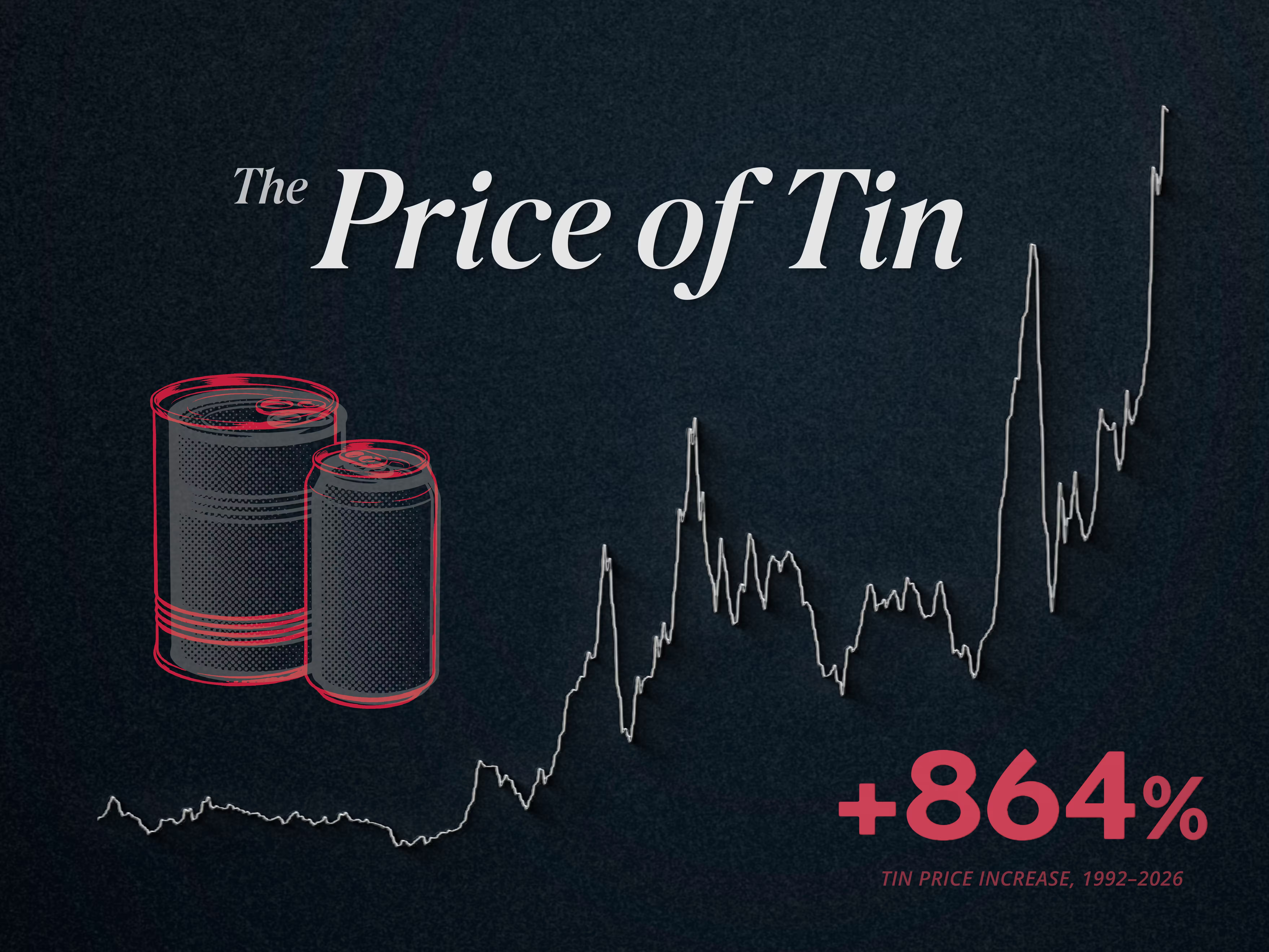
Behind Tin's 2026 Record High
Behind Tin's 2026 Record High
In January 2026, the London Metal Exchange three-month tin contract closed at US$53,462 a tonne, a nominal all-time high that surpassed the March 2022 peak, and it has traded near those levels since. The puzzle is that there is no shortage of tin today: exchange inventories actually rose as the price climbed, rather than being drawn down. Two very different things are holding the price up. The first is short-term: a wave of investor buying, which the industry says drove the January jump. The second is long-term: on current forecasts, the world will not mine enough tin to meet demand later this decade, a gap already projected before the rally began and expected to persist after it fades. The lasting story is that forecast shortfall, not the spike.

Lead Powers the World's Batteries, and Its Map of Demand Is Shifting East
Lead Powers the World's Batteries, and Its Map of Demand Is Shifting East
You are probably within a few feet of some lead right now. It sits in the starter battery of nearly every car, electric models included, in the backup power rooms of hospitals and data centres, and behind the walls of every X-ray suite. It is also the most recycled product in the United States, recovered mostly from spent batteries. So it came as a surprise to many when Washington added lead to its Final 2025 List of Critical Minerals in November, a label usually reserved for metals in short supply. Lead is not in short supply
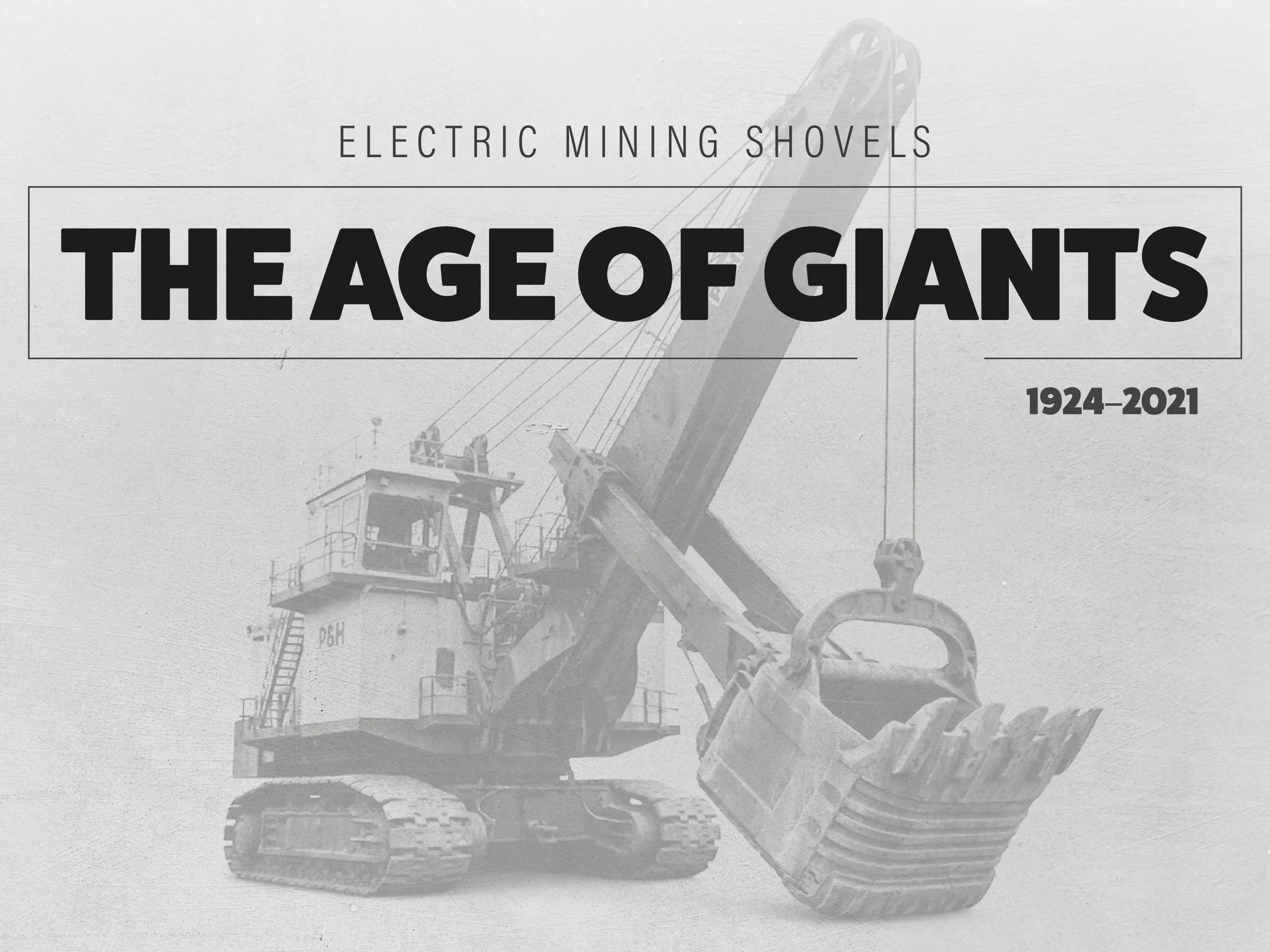
The Age of Giants: How Mining Shovels Grew, Peaked, and Deliberately Shrank
The Age of Giants: How Mining Shovels Grew, Peaked, and Deliberately Shrank
For four decades, the American coalfields hosted an engineering arms race measured in cubic metres of bucket. It ended not with a bigger machine, but with a deliberate retreat. The single largest mobile land machine ever built, the Marion 6360 "Captain," was commissioned in 1965 and destroyed by fire in 1991. No shovel has approached its scale since, and the machines that replaced it were smaller by design.
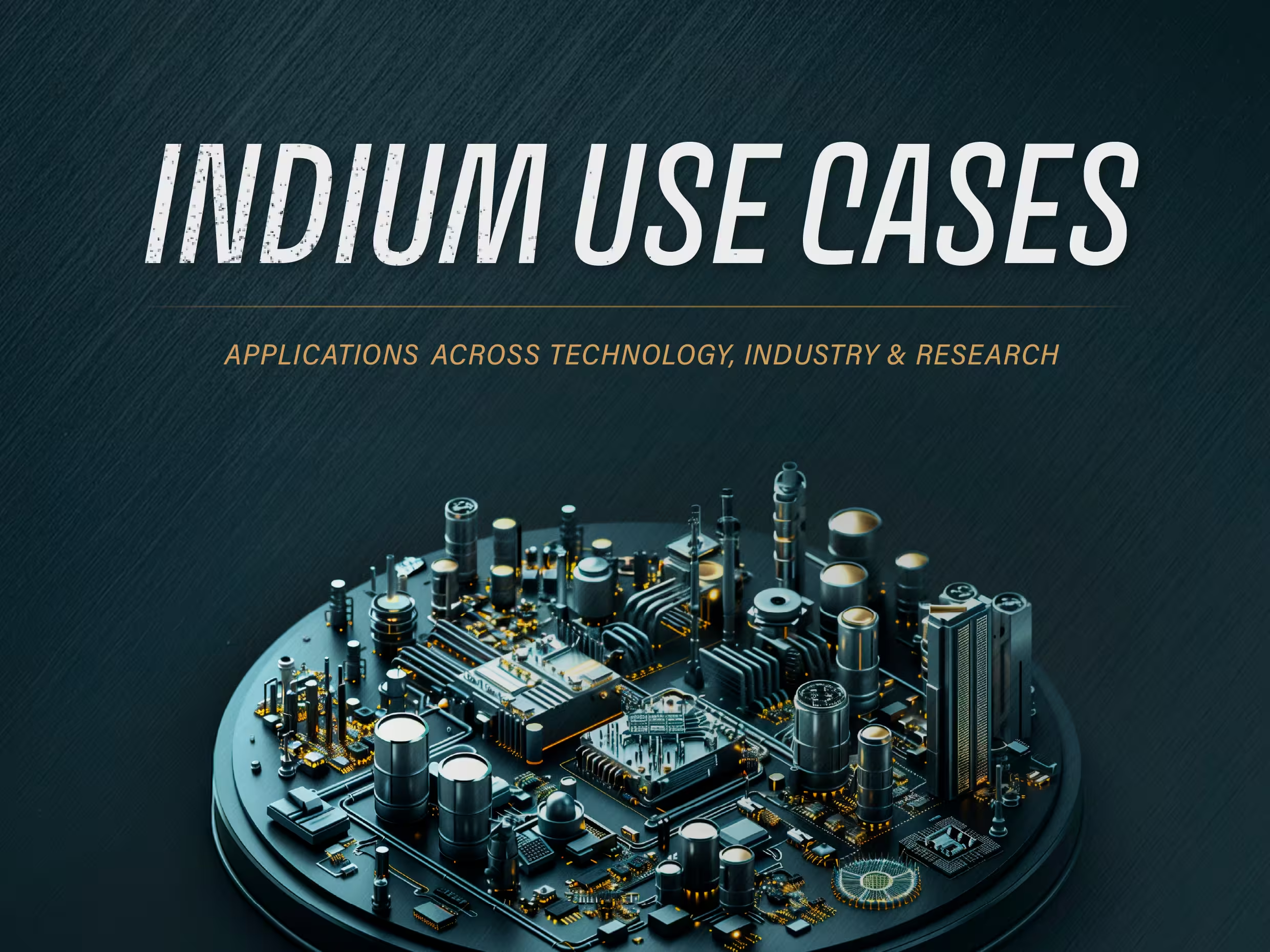
Where Indium Goes: The Metal Behind Screens, Chips, and Solar
Where Indium Goes: The Metal Behind Screens, Chips, and Solar
Indium is one of the metals you never see but use constantly. As indium tin oxide, it forms the transparent conductive coating on nearly every LCD and touchscreen, and that single application still accounts for most global consumption, according to the USGS. But the metal's role is broadening. Its compounds now sit inside the high-speed optical chips that route data through AI data centers, a shift that has turned a quiet, display-driven material into one buyers watch closely, especially as China refines about 70% of it and has begun tightening the flow.