Precious Metals
July 21, 2025
3 min
Precious Metals


Which has been the better long-term performer: gold or silver? In this latest infographic, we take a look at how gold and silver have performed head-to-head over the last sixty years. It tracks the cumulative percentage growth of both metals from a 1960 baseline to the present day. Over this period, both have seen substantial long-term gains — as of July 16, 2025, gold is up +9,419% and silver is up +4,028%.
To provide deeper context, we isolate three key periods of significant upswings, noting the specific percentage gain for both gold and silver within each of these. This allows for a direct comparison of their performance during different economic environments. Each of the highlighted periods was influenced by a unique set of economic drivers that impacted precious metals markets.
The Post-Bretton Woods Upswing (c. 1971 - 1980)
This period began when U.S. President Nixon formally ended the direct convertibility of the U.S. dollar to gold in 1971. This action, known as the "Nixon Shock," allowed precious metals prices to float freely. The decade that followed was marked by persistent stagflation—a combination of high inflation and low economic growth—fueled in part by the 1970s oil shocks. Silver's particularly dramatic outperformance was amplified near the end of this period by the Hunt brothers' attempt to corner the market.
- Performance: Silver +3,600%; Gold +2,400%
- Key takeaway: Silver substantially outperformed gold during this period.
The 21st Century Secular Uptrend (c. 2001 - 2011)
This decade-long period of growth was initiated by the dot-com bust in 2000-2001. Demand for safe-haven assets accelerated significantly following the 9/11 attacks and the ensuing geopolitical instability. The final and most powerful phase of this upswing was driven by the 2008 global financial crisis and the introduction of unconventional monetary policies like Quantitative Easing (QE) by central banks.
- Performance: Silver +1,126%; Gold +660%
- Key takeaway: Silver again posted higher percentage gains than gold during this extended period of growth.
The Post-2018 Period (c. 2018 - Present)
This recent period has been shaped by a series of overlapping global events. It began with rising U.S.-China trade tensions, followed by the unprecedented global response to the COVID-19 pandemic, which involved both immense monetary expansion and direct fiscal stimulus. More recently, the resurgence of consumer price inflation and significant geopolitical events like the war in Ukraine have further supported demand for precious metals.
- Performance (as of July 16, 2025): Gold +216%; Silver +176%
- Key takeaway: In a different pattern from the previous upswings, gold has been the stronger performer in this recent period.
This historical data provides context on the long-term performance trends of gold and silver, illustrating how each has behaved during different economic conditions. The information is presented for illustrative purposes and to offer a historical perspective on market movements.
Sponsored by:

Outcrop Silver is a leading explorer and developer focused on advancing its flagship Santa Ana high-grade silver project in Colombia. Leveraging a disciplined and seasoned team of professionals with decades of experience in the region. Outcrop Silver is dedicated to expanding current mineral resources through strategic exploration initiatives.
At the core of our operations is a commitment to responsible mining practices and community engagement, underscoring our approach to sustainable development. Our expertise in navigating complex geological and market conditions enables us to consistently identify and capitalize on opportunities to enhance shareholder value.
With a deep understanding of the Colombian mining landscape and a track record of successful exploration, Outcrop Silver is poised to transform the Santa Ana project into a significant silver producer, contributing positively to the local economy and setting new standards in the mining industry.
Learn more about Outcrop Silver at https://outcropsilver.com/
Disclaimer and Data Source: The data for this analysis was sourced from TradingView.com. The content of this article is for informational and educational purposes only and should not be construed as investment advice or a recommendation to buy or sell any security.




Explore More
View All

Seven Events That Shaped a Century of Gold Prices
Seven Events That Shaped a Century of Gold Prices
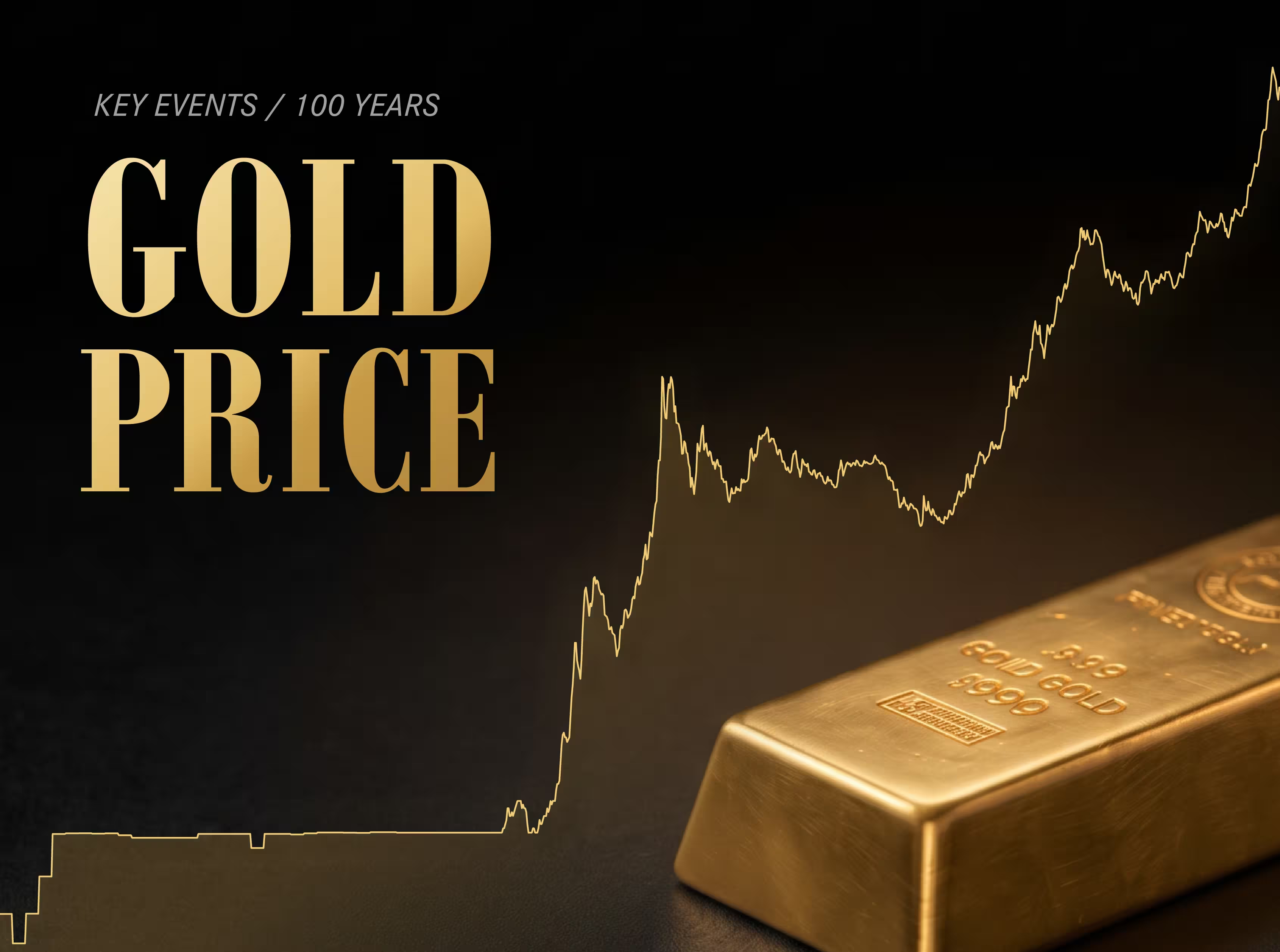
In 1934, the US government set the price of gold at $35 an ounce. In September 2026, the market price averaged $4,319. Measured in today's money, gold has done more than keep up with rising prices. An ounce is now worth almost five times what it was when the price was set in 1934, and more than at the famous 1980 peak. For the companies that mine it, that has meant record margins.

The World's 20 Largest Primary Silver Mines by 2025 Output
The World's 20 Largest Primary Silver Mines by 2025 Output
The largest silver producer among the world's primary silver mines in 2025 sat not in Mexico but in southwestern Bolivia. San Cristóbal, a large open-pit silver-zinc-lead mine run by Minera San Cristóbal, produced 17.6 million ounces of silver, narrowly ahead of Mexico's Juanicipio at the same rounded figure, in new Metals Focus data on the 20 largest primary silver mines. These are the operations where silver is a defining product rather than an incidental byproduct of lead, zinc and gold. The list runs from centuries-old mines in Mexico's silver belt to remote sites in the Andes, the Australian outback and the Alaskan wilderness. Eight of the 20 sit in Mexico, together about 44% of the total, while the rest are spread across the Americas, Asia, Africa and Australia.
Central Banks Have Been Net Gold Buyers Since 2010, After Two Decades of Net Selling
Central Banks Have Been Net Gold Buyers Since 2010, After Two Decades of Net Selling
Central banks bought more gold between April and June 2026 than in any second quarter on record, according to a World Gold Council report published on July 30. That keeps them net buyers this year, as they have been every year since 2010. Underneath, the picture is changing. Russia and Türkiye, both big buyers in the past, have been selling.

Gold Mines in West Africa: Two Billion Years in the Making
Gold Mines in West Africa: Two Billion Years in the Making
The nine West African countries with significant reported output produced about 15% of the world's mined gold in 2025, according to Metals Focus and World Gold Council data. Almost every mine on the map above was built in the past 25 years, and four more reached production in the last eighteen months: Lafigué in Côte d'Ivoire in June 2024, Kiaka in Burkina Faso in June 2025, Ahafo North in Ghana in October 2025 and Kiniero in Guinea in December 2025.