Tin
July 8, 2025
2 min
Tin


While previous discussions have highlighted tin's surging price and evolving demand drivers, a critical part of the story lies on the horizon: a looming structural deficit in supply. According to detailed forecasts from the International Tin Association (ITA), without significant investment in new mining projects, the world is on track for a substantial tin shortfall by the end of the decade.
The infographic above visualizes this challenge, charting projected demand against a multi-layered view of tin supply through to 2030.
Deconstructing the Supply Side
To understand the forecast, it’s essential to break down the three components of tin supply:
- Existing Mines: This forms the bedrock of global tin production. However, as the chart shows, output from these established sources is expected to decline gradually. This is a natural result of aging mines, depleting ore reserves, and falling grades at many of the world's largest tin operations.
- Secondary Supply (Recycling): Recycled tin from scrap and manufacturing waste is a vital component of supply. While important, the ITA forecasts that growth in recycling will be modest and insufficient on its own to fill the gap left by declining primary mine output.
- Probable New Mines: This thin white line on the chart represents the only projected source of new growth. It includes publicly announced projects that are considered likely to come online. Even with the addition of these new mines, a clear gap between total supply and projected demand emerges post-2027.
The Core of the Challenge: A Significant Supply Gap
The outlook is clear. In the coming years, global demand for tin is expected to outpace supply. Even when factoring in production from existing mines, recycling, and anticipated new projects, the total available supply is projected to fall short of what the market will require. This points to a potential structural deficit that could persist annually, highlighting a major challenge for the tin industry.
Closing this gap is not a simple task. The journey from initial discovery to a fully operational tin mine is a long and capital-intensive process, often taking a decade or more. The ITA report highlights that many of the world's most promising, undeveloped tin deposits are located in challenging jurisdictions or are geologically complex, requiring significant investment and technical expertise to bring into production.
Conclusion: A Call for Investment
The dynamics of the tin market are clear. On one side, demand is being driven higher by the global energy transition and technological innovation. On the other, the existing supply chain is facing constraints from depleting resources.
The forecast presented by the International Tin Association underscores a critical need for investment in mineral exploration and the development of the next generation of tin mines. Without successful new projects moving forward, the projected supply deficit could have significant long-term implications for the industries that depend on this critical metal.
Sponsored by:

Eloro Resources Ltd. is a mineral exploration company advancing a world-class silver and tin project in Bolivia’s historic Potosí Department. Its flagship asset, the Iska Iska Project, ranks among the top five undeveloped global resources in terms of scale for both tin and silver.
This significant grassroots discovery remains open in multiple directions, offering substantial potential for continued expansion and resource enhancement. Iska Iska benefits from strong infrastructure access and a deeply rooted presence in Bolivia, supported by an experienced management team and meaningful community engagement.
Eloro’s strategy is focused on resource growth, strategic partnerships, and establishing a leading position within the global mining sector.
Learn more at elororesources.com.
Sources: International Tin Association (ITA)
Disclaimer: The information provided in this article and the accompanying infographic is for informational purposes only and should not be considered as financial or investment advice. While MiningVisuals has made every effort to ensure the accuracy and reliability of the information presented, which is based on the sources cited, we do not guarantee its completeness or accuracy. Market forecasts, projections, and analyses are based on data available at the time of publication and are inherently subject to change due to various factors. Readers are encouraged to conduct their own research and consult with a qualified financial advisor before making any investment decisions.





Explore More
View All

Behind Tin's 2026 Record High
Behind Tin's 2026 Record High
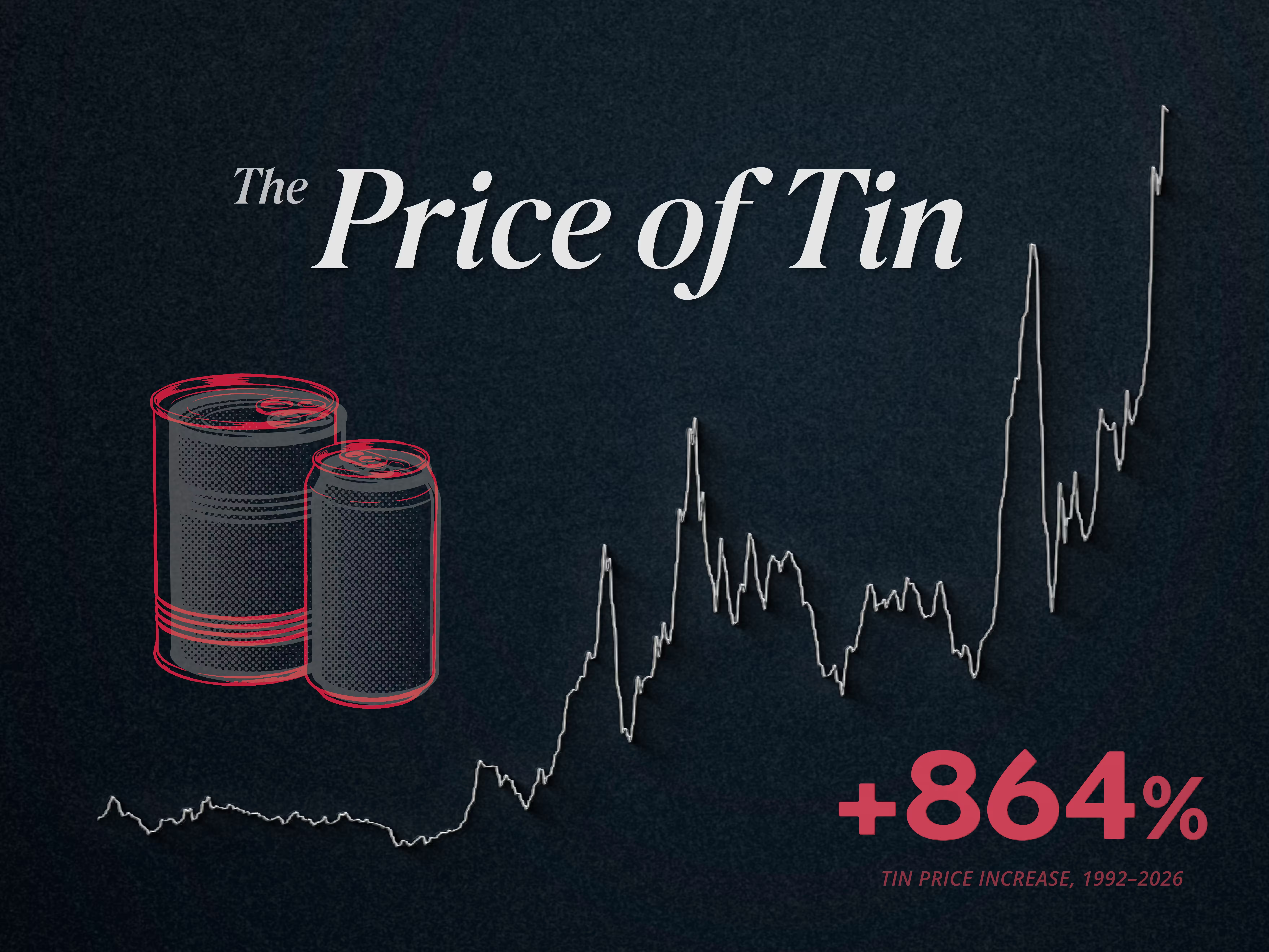
In January 2026, the London Metal Exchange three-month tin contract closed at US$53,462 a tonne, a nominal all-time high that surpassed the March 2022 peak, and it has traded near those levels since. The puzzle is that there is no shortage of tin today: exchange inventories actually rose as the price climbed, rather than being drawn down. Two very different things are holding the price up. The first is short-term: a wave of investor buying, which the industry says drove the January jump. The second is long-term: on current forecasts, the world will not mine enough tin to meet demand later this decade, a gap already projected before the rally began and expected to persist after it fades. The lasting story is that forecast shortfall, not the spike.
The Age of Giants: How Mining Shovels Grew, Peaked, and Deliberately Shrank
The Age of Giants: How Mining Shovels Grew, Peaked, and Deliberately Shrank
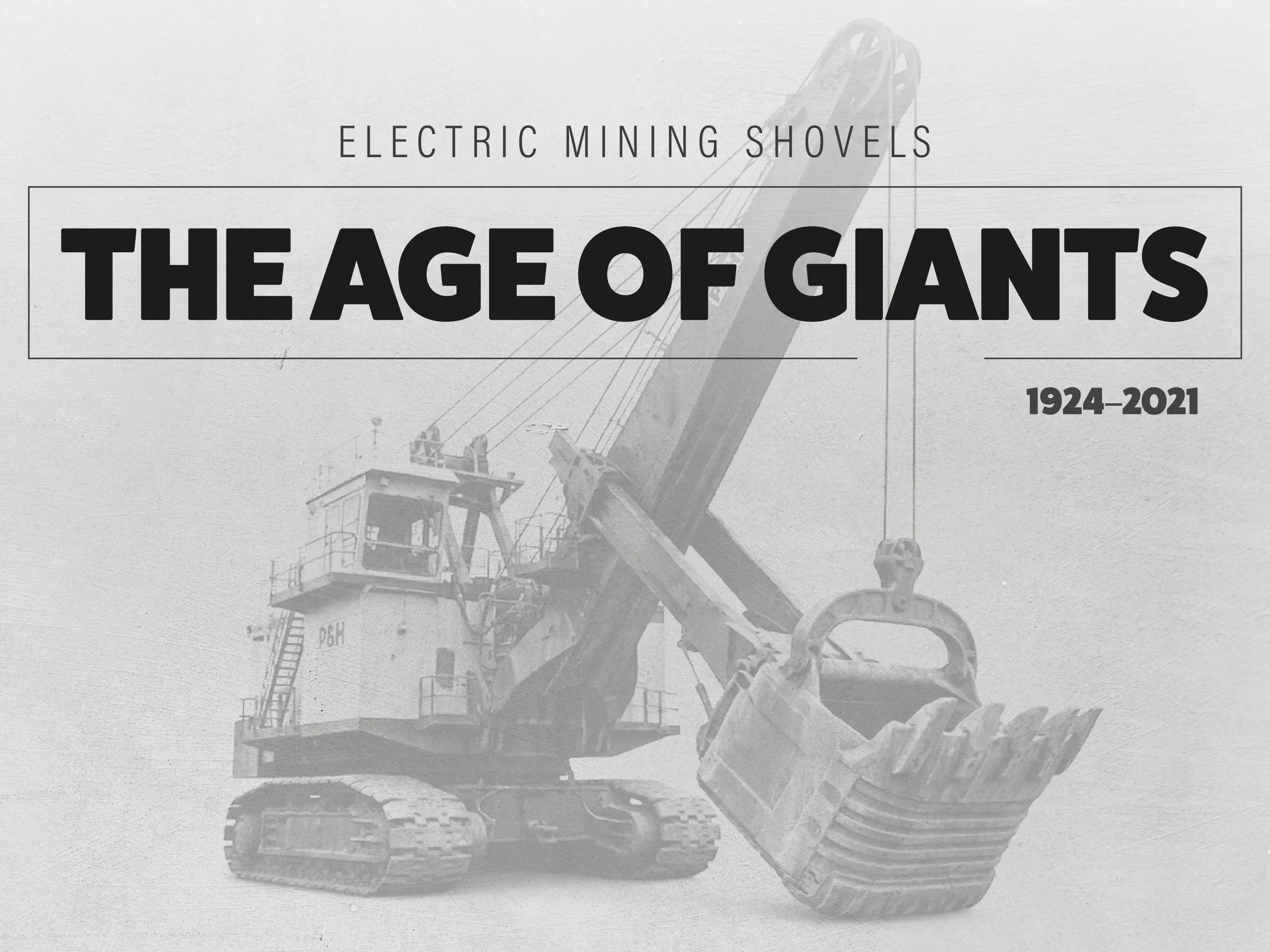
For four decades, the American coalfields hosted an engineering arms race measured in cubic metres of bucket. It ended not with a bigger machine, but with a deliberate retreat. The single largest mobile land machine ever built, the Marion 6360 "Captain," was commissioned in 1965 and destroyed by fire in 1991. No shovel has approached its scale since, and the machines that replaced it were smaller by design.

Where Indium Goes: The Metal Behind Screens, Chips, and Solar
Where Indium Goes: The Metal Behind Screens, Chips, and Solar
Indium is one of the metals you never see but use constantly. As indium tin oxide, it forms the transparent conductive coating on nearly every LCD and touchscreen, and that single application still accounts for most global consumption, according to the USGS. But the metal's role is broadening. Its compounds now sit inside the high-speed optical chips that route data through AI data centers, a shift that has turned a quiet, display-driven material into one buyers watch closely, especially as China refines about 70% of it and has begun tightening the flow.

Rare Earths and the F-35: The Defense Supply-Chain Bottleneck Behind America's Most Advanced Fighter Jet
Rare Earths and the F-35: The Defense Supply-Chain Bottleneck Behind America's Most Advanced Fighter Jet
In September 2022, the Pentagon quietly stopped taking delivery of new F-35 fighter jets. The reason was not a design flaw or a manufacturing defect. A single small magnet inside the plane's engine had been made using an alloy from China, which is banned under U.S. defense procurement law.