Tungsten
December 11, 2025
2 min
Tungsten


Tungsten (W) is the silent workhorse of the modern world. From deep-earth drilling to orbital mechanics, it is the material engineers turn to when everything else fails.
But while the metal itself is unbreakable, its supply chain is not.
This graphic visualizes the three "superpowers" of tungsten—and why a massive
geopolitical imbalance has sent prices soaring.
The Power of Tungsten: 3 Irreplaceable Traits
Tungsten's value is anchored in physical extremes that make it non-negotiable for defense and high-tech sectors:
The Geopolitical Chokehold: China's Dominance
Despite its critical role, tungsten production is dangerously concentrated. As of Jan 2025 (USGS), China controls 82% of global production and 51% of reserves.
This structural monopoly has now been activated:
- The Squeeze: New export licensing rules from Beijing (effective Feb 2025) have severed the primary supply artery to the West.
- The Price Shock: Benchmark prices (APT) have doubled since early 2024, stabilizing above RMB 500,000/ton as Chinese exports slow.
- The Freeze: According to the Washington Post, U.S. importers secured zero export licenses from China in 2025 due to heightened national security scrutiny.
Breaking the Monopoly
Diversification is no longer optional; it is a strategic imperative.
Efforts are underway to bypass Beijing's chokehold. U.S.-backed projects in Vietnam and Rwanda aim to add 20,000+ tons/year by 2028, while recycling initiatives target 40% of domestic supply.
The Bottom Line: Tungsten enables extreme performance, but the market is learning a hard lesson: the most dangerous property of this metal isn't physical, but geopolitical.
Data Sources: Production data via USGS (Jan 2025). Price benchmarks via Shanghai Metal Market (Dec 2025). Geopolitical reporting via The Washington Post.
Disclaimer: For informational purposes only. Not investment advice. Commodity markets are volatile. Conduct your own due diligence.





Explore More
View All

Behind Tin's 2026 Record High
Behind Tin's 2026 Record High
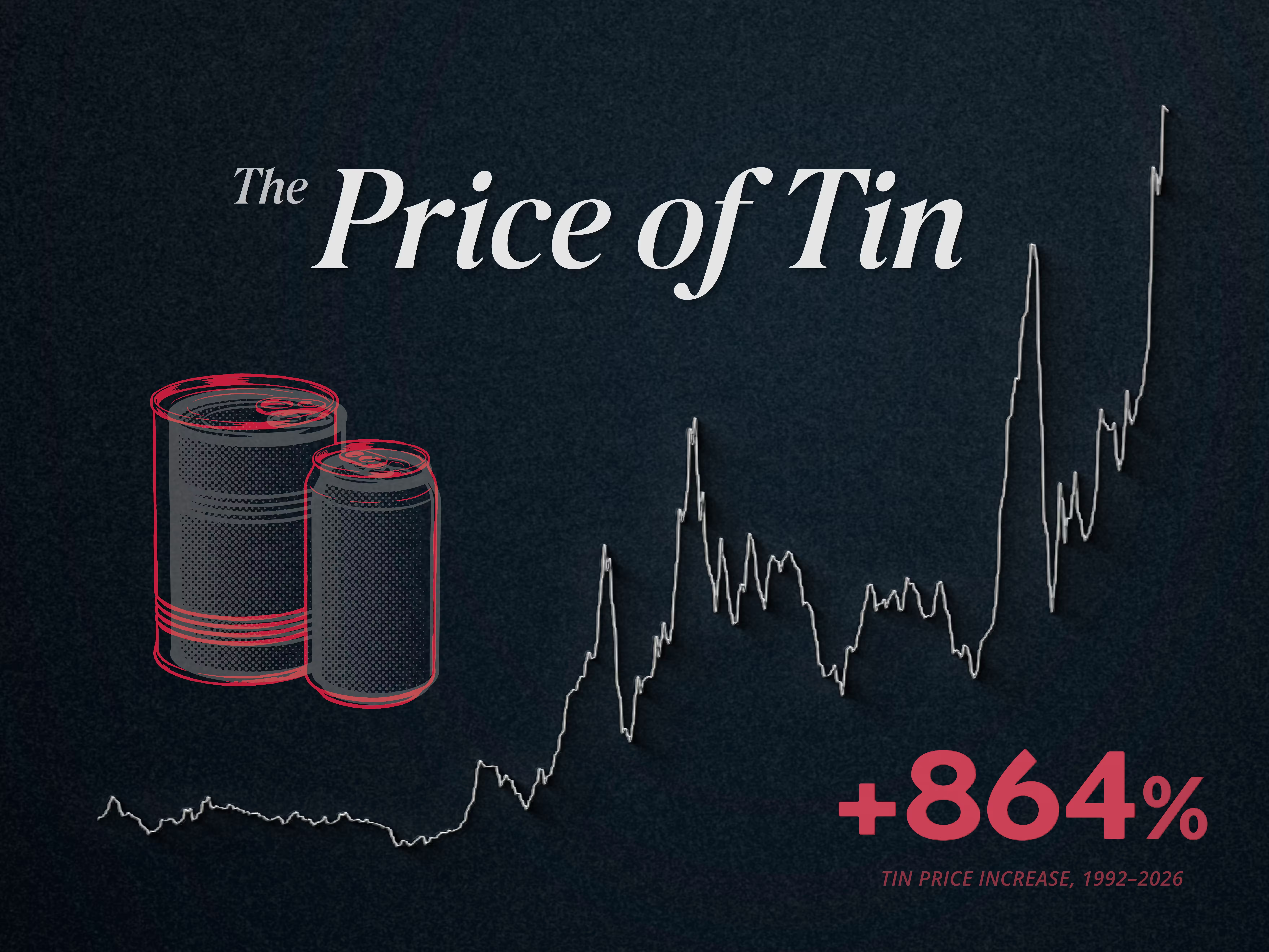
In January 2026, the London Metal Exchange three-month tin contract closed at US$53,462 a tonne, a nominal all-time high that surpassed the March 2022 peak, and it has traded near those levels since. The puzzle is that there is no shortage of tin today: exchange inventories actually rose as the price climbed, rather than being drawn down. Two very different things are holding the price up. The first is short-term: a wave of investor buying, which the industry says drove the January jump. The second is long-term: on current forecasts, the world will not mine enough tin to meet demand later this decade, a gap already projected before the rally began and expected to persist after it fades. The lasting story is that forecast shortfall, not the spike.
The Age of Giants: How Mining Shovels Grew, Peaked, and Deliberately Shrank
The Age of Giants: How Mining Shovels Grew, Peaked, and Deliberately Shrank
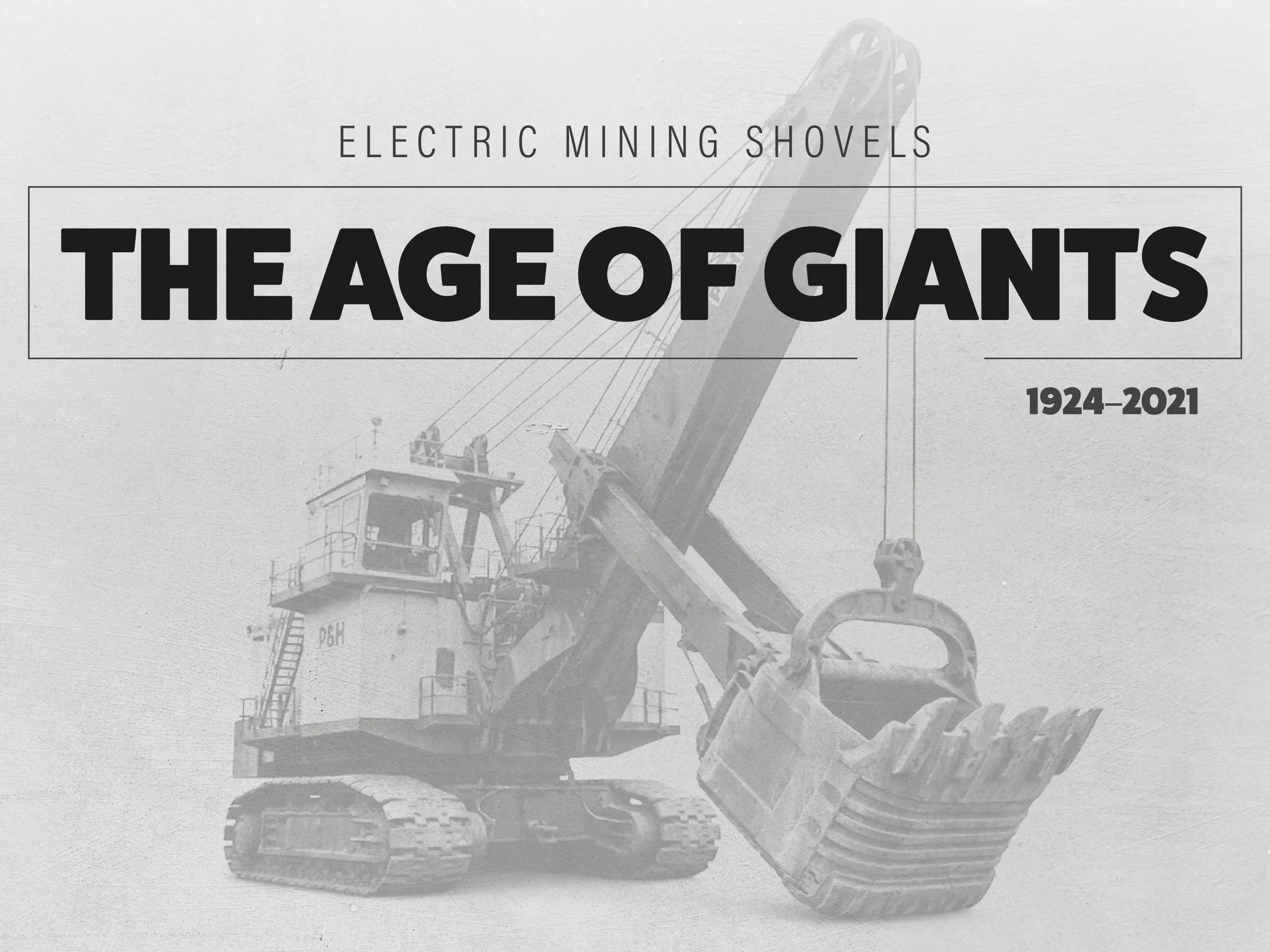
For four decades, the American coalfields hosted an engineering arms race measured in cubic metres of bucket. It ended not with a bigger machine, but with a deliberate retreat. The single largest mobile land machine ever built, the Marion 6360 "Captain," was commissioned in 1965 and destroyed by fire in 1991. No shovel has approached its scale since, and the machines that replaced it were smaller by design.
Where Indium Goes: The Metal Behind Screens, Chips, and Solar
Where Indium Goes: The Metal Behind Screens, Chips, and Solar
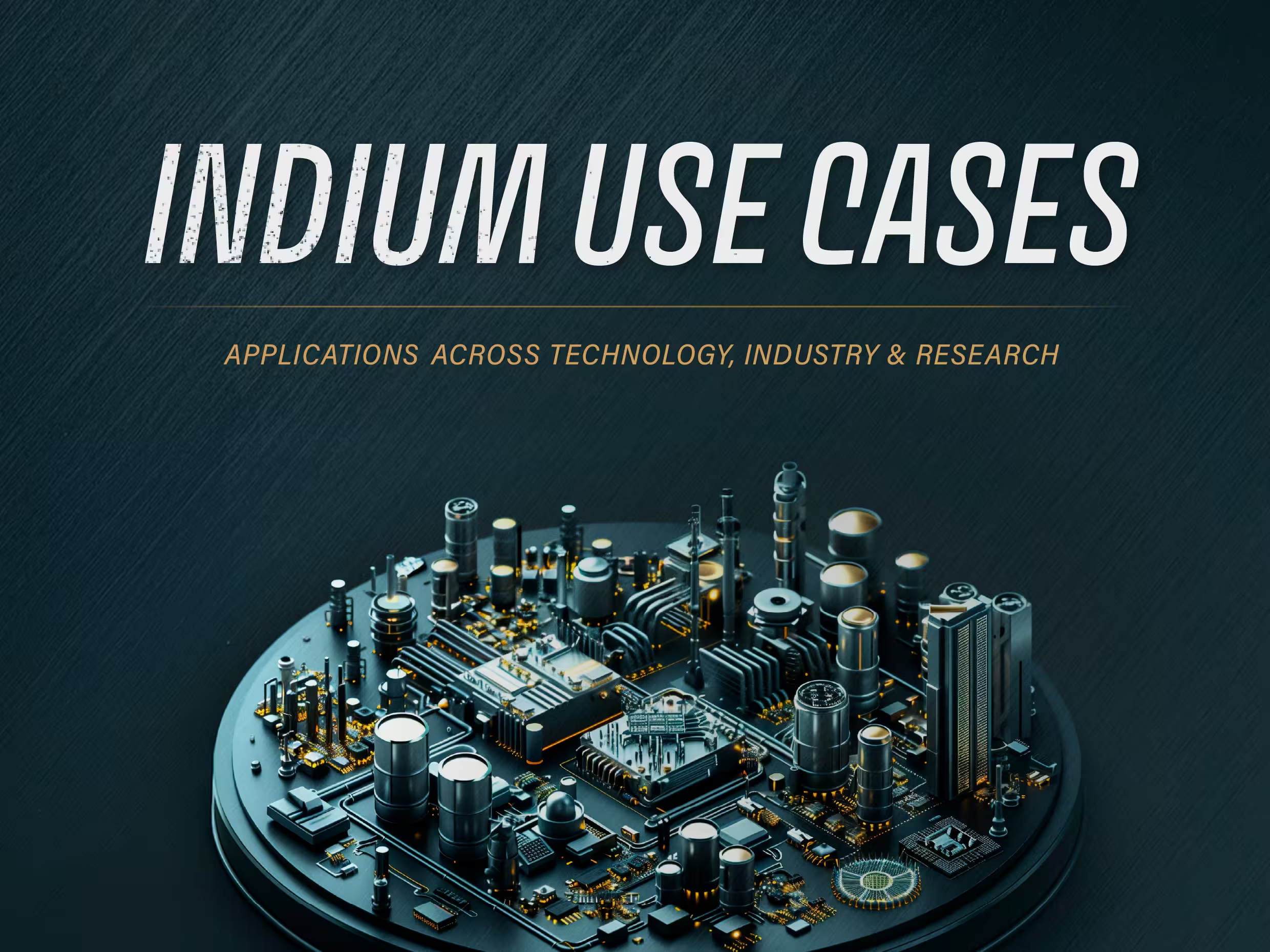
Indium is one of the metals you never see but use constantly. As indium tin oxide, it forms the transparent conductive coating on nearly every LCD and touchscreen, and that single application still accounts for most global consumption, according to the USGS. But the metal's role is broadening. Its compounds now sit inside the high-speed optical chips that route data through AI data centers, a shift that has turned a quiet, display-driven material into one buyers watch closely, especially as China refines about 70% of it and has begun tightening the flow.

Rare Earths and the F-35: The Defense Supply-Chain Bottleneck Behind America's Most Advanced Fighter Jet
Rare Earths and the F-35: The Defense Supply-Chain Bottleneck Behind America's Most Advanced Fighter Jet
In September 2022, the Pentagon quietly stopped taking delivery of new F-35 fighter jets. The reason was not a design flaw or a manufacturing defect. A single small magnet inside the plane's engine had been made using an alloy from China, which is banned under U.S. defense procurement law.