Precious Metals
October 6, 2025
3 min
Precious Metals
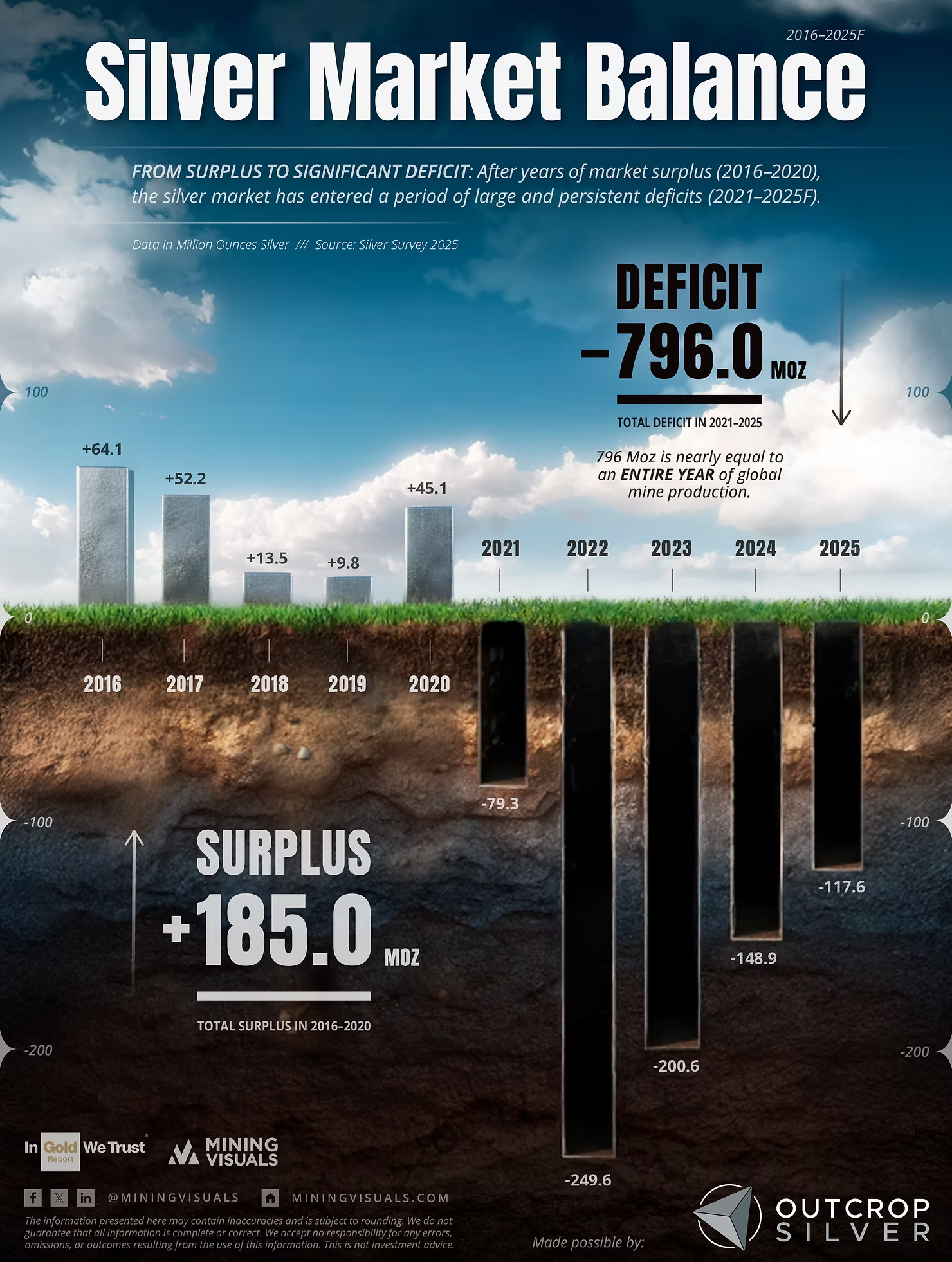

The silver market is currently in the spotlight, with the price of the metal recently trading above $48/oz in early October 2025. This price movement occurs alongside a long-term, fundamental trend in the market: a growing supply shortage.
As shown in the accompanying chart, the market has been in a structural deficit—where demand exceeds supply—for five years running. According to the World Silver Survey 2025, the cumulative supply deficit from 2021 through the end of the 2025 forecast period is expected to reach 796 million ounces (Moz). This figure is nearly equivalent to one full year of global silver mine production.
The following points from the 2025 report explain the primary reasons for this ongoing deficit and the factors influencing the price:
1. Industrial Demand
The key driver for silver's market strength is its essential role in manufacturing. The 2025 Survey confirms that industrial fabrication demand reached a new all-time high in 2024.
This demand is mainly powered by:
- Photovoltaics (Solar Energy): The solar sector remains the single largest engine of industrial demand growth.
- Automotive: The increasing complexity of vehicles, especially electric vehicles (EVs) and advanced driver-assist systems, requires more silver.
- Next-Generation Electronics: The expansion of 5G infrastructure and developments in AI-related consumer electronics are also contributing to higher demand.
2. Supply Growth Remains Slow
While industrial consumption is rising quickly, the supply response has been modest. Global mine production saw only a small increase in 2024 and is not expected to keep up with the pace of demand growth. This disparity between surging industrial consumption and limited new output is the main factor tightening the market and causing these supply shortfalls.
3. Investor Interest Returns
After a period of reduced activity in Western markets, investor demand has shown a noticeable uptick in 2025. This renewed appetite is visible in the positive inflows into silver-backed ETFs, reversing the outflows of the past two years. This surge in investor interest, combined with favorable macroeconomic conditions like anticipated U.S. Federal Reserve interest rate cuts, provides a major tailwind supporting market activity.
Conclusion
The data from the World Silver Survey 2025 highlights a clear and continuing structural deficit in the silver market. The combination of record industrial usage, slow supply growth, and renewed investment interest creates a robust fundamental picture for silver, which has been reflected in the recent price movement to multi-year highs. The underlying supply-demand dynamics are key factors for market observers to consider.
Sponsored by:

Outcrop Silver is a leading explorer and developer focused on advancing its flagship Santa Ana high-grade silver project in Colombia. Leveraging a disciplined and seasoned team of professionals with decades of experience in the region. Outcrop Silver is dedicated to expanding current mineral resources through strategic exploration initiatives.
At the core of our operations is a commitment to responsible mining practices and community engagement, underscoring our approach to sustainable development. Our expertise in navigating complex geological and market conditions enables us to consistently identify and capitalize on opportunities to enhance shareholder value.
With a deep understanding of the Colombian mining landscape and a track record of successful exploration, Outcrop Silver is poised to transform the Santa Ana project into a significant silver producer, contributing positively to the local economy and setting new standards in the mining industry.
Learn more about Outcrop Silver at https://outcropsilver.com/
Source: World Silver Survey 2025, The Silver Institute
Disclaimer: This infographic and accompanying article are provided for informational and illustrative purposes only and should not be construed as financial, investment, or professional advice. They are not an offer to sell or a solicitation to buy any securities. Investing in precious metals and securities involves inherent risks, including the risk of loss, and past performance is not indicative of future results. Market data, statistics, and analysis are based on publicly available information from third-party sources believed to be reliable, but their accuracy and completeness cannot be guaranteed. Readers should conduct their own due diligence and consult with a qualified financial advisor before making any investment decisions.




Explore More
View All

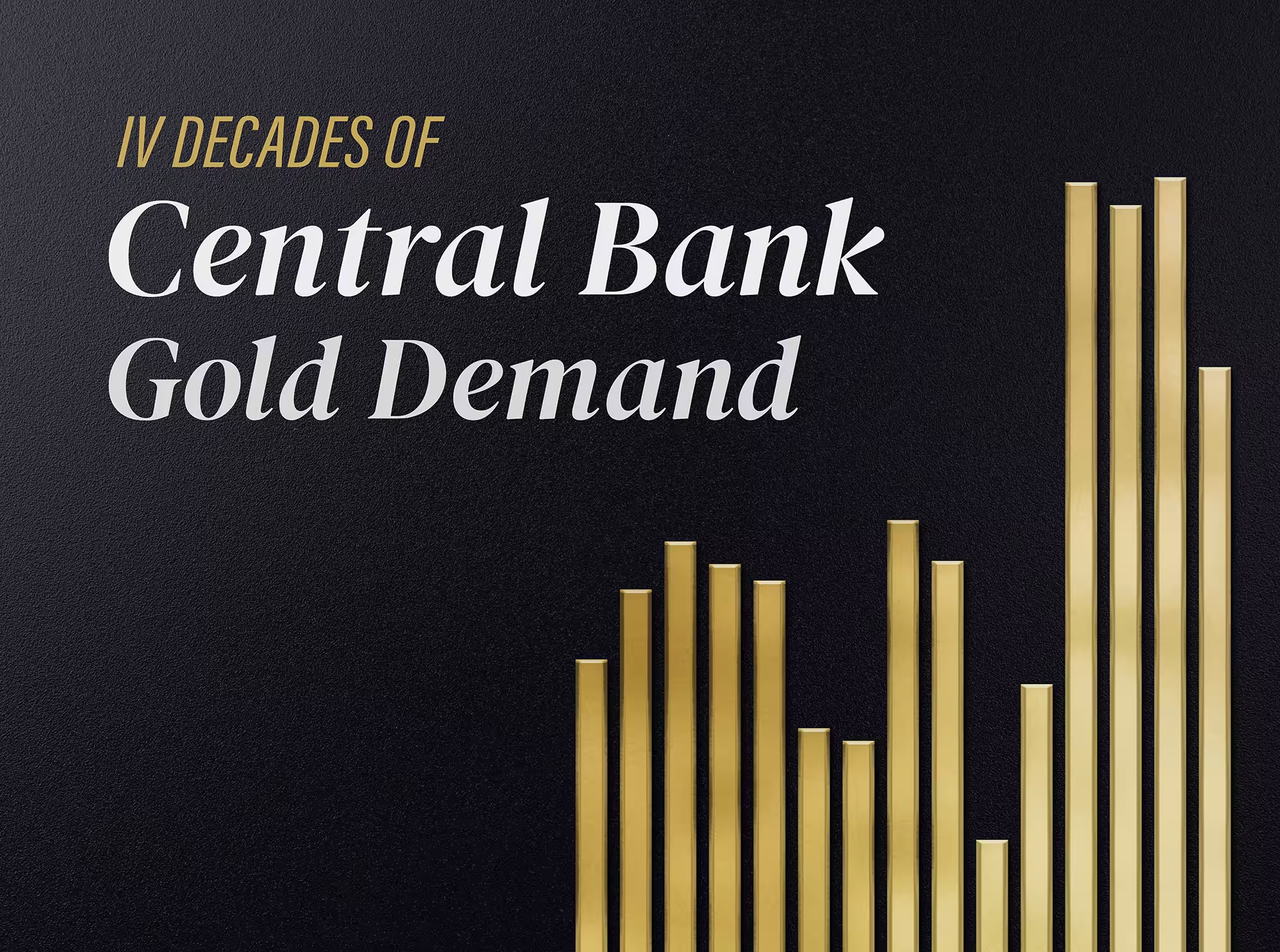
Central Banks Have Been Net Gold Buyers Since 2010, After Two Decades of Net Selling
Central Banks Have Been Net Gold Buyers Since 2010, After Two Decades of Net Selling
Central banks bought more gold between April and June 2026 than in any second quarter on record, according to a World Gold Council report published on July 30. That keeps them net buyers this year, as they have been every year since 2010. Underneath, the picture is changing. Russia and Türkiye, both big buyers in the past, have been selling.

Gold Mines in West Africa: Two Billion Years in the Making
Gold Mines in West Africa: Two Billion Years in the Making
The nine West African countries with significant reported output produced about 15% of the world's mined gold in 2025, according to Metals Focus and World Gold Council data. Almost every mine on the map above was built in the past 25 years, and four more reached production in the last eighteen months: Lafigué in Côte d'Ivoire in June 2024, Kiaka in Burkina Faso in June 2025, Ahafo North in Ghana in October 2025 and Kiniero in Guinea in December 2025.
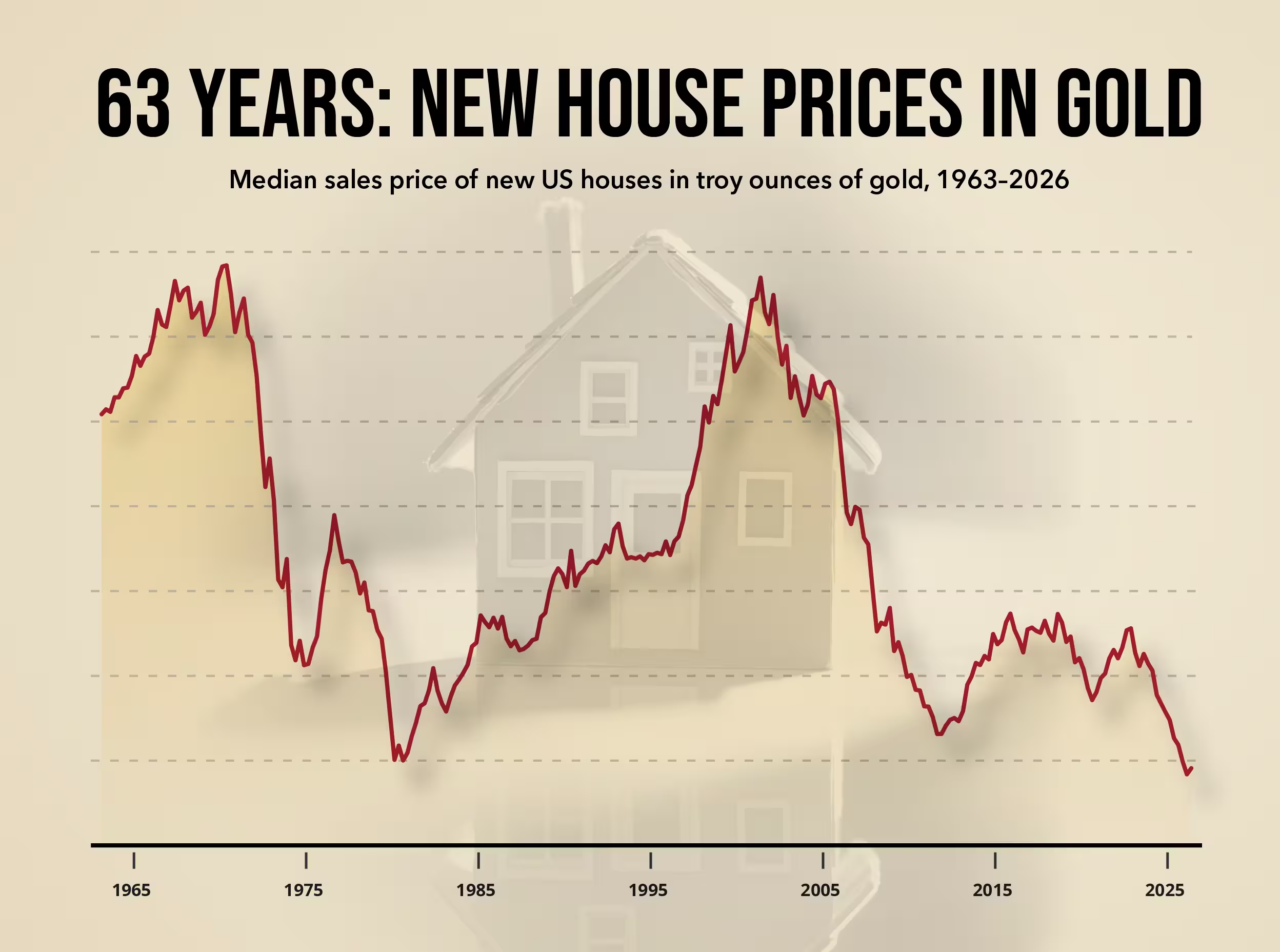
A Median New US Home Now Costs Less Than 100 Ounces of Gold
A Median New US Home Now Costs Less Than 100 Ounces of Gold
The US Census Bureau's July new-home report, released on August 25, put the median price of a newly built house at $393,800. HousingWire noted that was the lowest since July 2021. In dollars, the market has moved within a narrow band: the quarterly median has stayed between $408,500 and $435,400 since 2023.
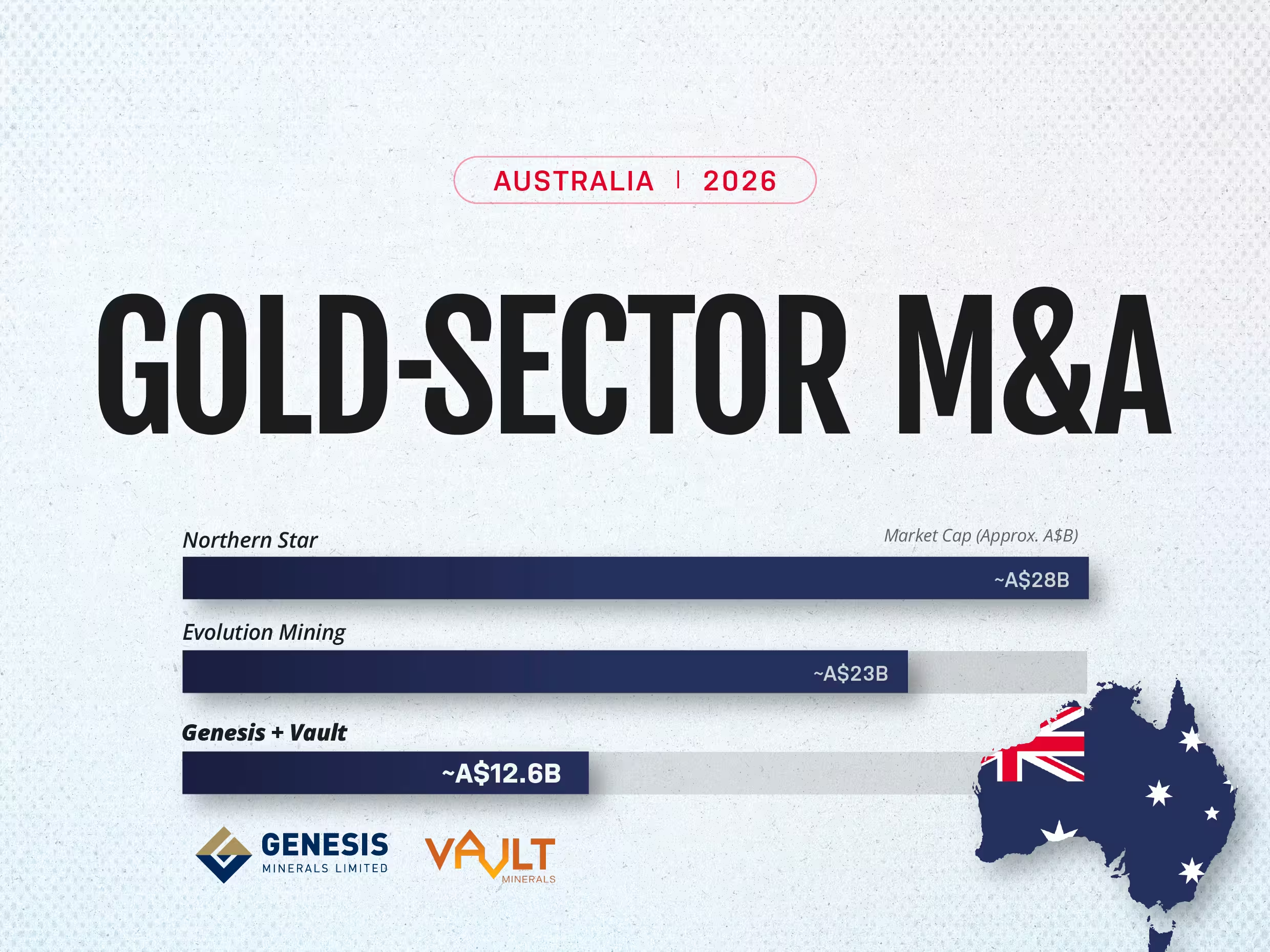
Gold's Record Run Has Set Off a Wave of Mining Mergers
Gold's Record Run Has Set Off a Wave of Mining Mergers
Gold hit an all-time high of about US$5,595 an ounce in January 2026 before settling near US$4,000, still far above the levels of a few years ago. That combination, record prices followed by a stable, still-profitable pullback, has done something a straight rally rarely does: it has opened a merger window.