Precious Metals
January 28, 2025
2 min
Precious Metals
%20Main.avif)

South America has long been a dominant force in global silver production, with Peru, Bolivia, and Argentina leading the way. However, despite its continued significance, the region saw a notable 15.67% decline in silver output between 2014 and 2023. Below, we explore the key factors behind this downturn and highlight the countries that maintained stable production levels.
The Escobal Mine Shutdown: A Major Setback
A key factor in the decline was the 2017 closure of the Escobal mine in Guatemala. Once one of the world’s largest silver mines, Escobal produced 27 million ounces (Moz) annually. Its shutdown followed a ruling by Guatemala’s Supreme Court, which upheld claims by indigenous Xinca communities that the mine’s permitting process violated their rights. Despite efforts by Pan American Silver, which acquired the mine in 2019, ongoing legal and social disputes have kept Escobal closed, creating a significant gap in regional production.
%20Graph.avif)
Peru: Declining Output from a Silver Leader
Peru, South America’s traditional silver leader, experienced a 15% decline in production, falling from 126 Moz in 2014 to 107.1 Moz in 2023. Several factors contributed to this drop:
- Aging Mines and Lower Ore Grades: Many of Peru’s mines are maturing, leading to reduced output.
- Infrastructure Challenges: Inadequate infrastructure has hampered operations.
- Stricter Environmental Regulations: While important, these regulations have increased costs.
- Market Volatility and Reduced Investment: Fluctuating silver prices and lower investment have further strained the sector.
- COVID-19 Impact: The pandemic exacerbated existing challenges, causing shutdowns and labor shortages.
Bolivia and Chile: Stability Amid Decline
While Peru and Guatemala drove the regional decline, other countries maintained stable production levels. Bolivia’s output remained nearly unchanged, with just a 1.16% decrease, showcasing resilience. Chile, on the other hand, saw a 3.59% increase in production, bucking the regional trend.
Conclusion: A Path Forward
The 15.67% decline in South America’s silver production is the result of mine closures, resource depletion, economic instability, and social conflicts. However, with rising global demand for silver—driven by its use in technology and renewable energy—addressing these challenges is crucial. Policy reforms, infrastructure investment, and community engagement will be key to stabilizing and revitalizing the region’s silver mining sector.
Sponsored by:

Eloro Resources Ltd. is an exploration company focused on developing a world class silver and tin project in Bolivia's Potosí Department. Our flagship project, ISKA ISKA , ranks in the top five of global undeveloped resources in scale for both tin and silver. This truly significant grass roots discovery remains open in multiple directions with further potential to both expand and enhance. This world class deposit benefits not only from its proximity to infrastructure, but more importantly, from our connection to Bolivia through our management team and community involvement. Our goal at Eloro is clear - expand resources, attract partnerships, and establish itself as a key player in the mining sector. Learn more about Eloro Resources at https://elororesources.com/
Source: World Silver Survey 2024
The information presented here may contain inaccuracies and is subject to rounding. We do not guarantee that all information is complete or correct. We accept no responsibility for any errors, omissions, or outcomes resulting from the use of this information. This is not investment advice.




Explore More
View All

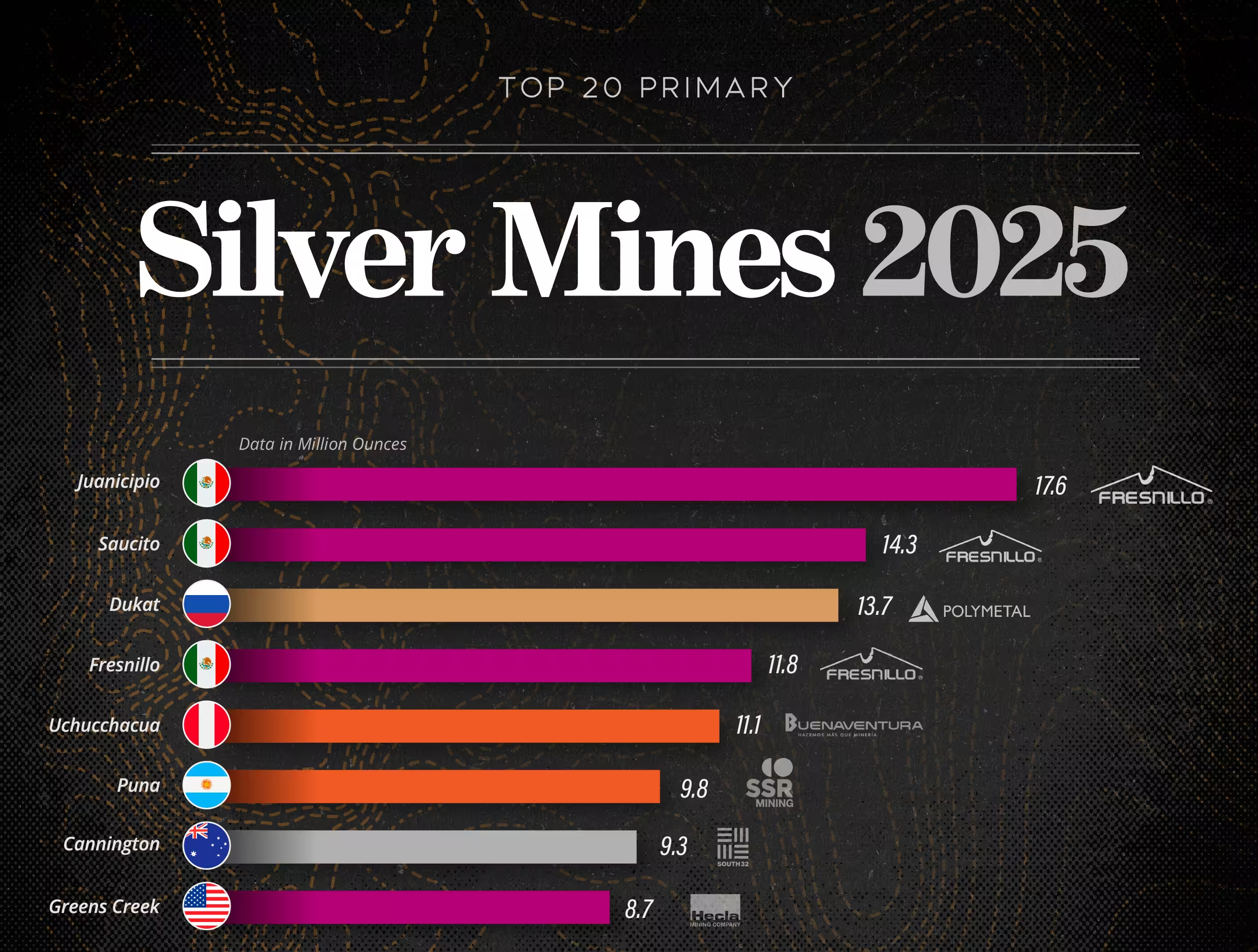
The World's 20 Largest Primary Silver Mines by 2025 Output
The World's 20 Largest Primary Silver Mines by 2025 Output
The single largest source of primary silver is a young mine in the Mexican state of Zacatecas. Juanicipio put out 17.6 million ounces in 2025, more than any other mine that earns its keep from silver itself rather than pulling it out as a byproduct of lead, zinc and gold. Fresnillo operates it and owns 56%; the other 44% changed hands in September 2025, when Pan American Silver completed a US$2.1 billion takeover of MAG Silver.
Gold's Record Run Has Set Off a Wave of Mining Mergers
Gold's Record Run Has Set Off a Wave of Mining Mergers
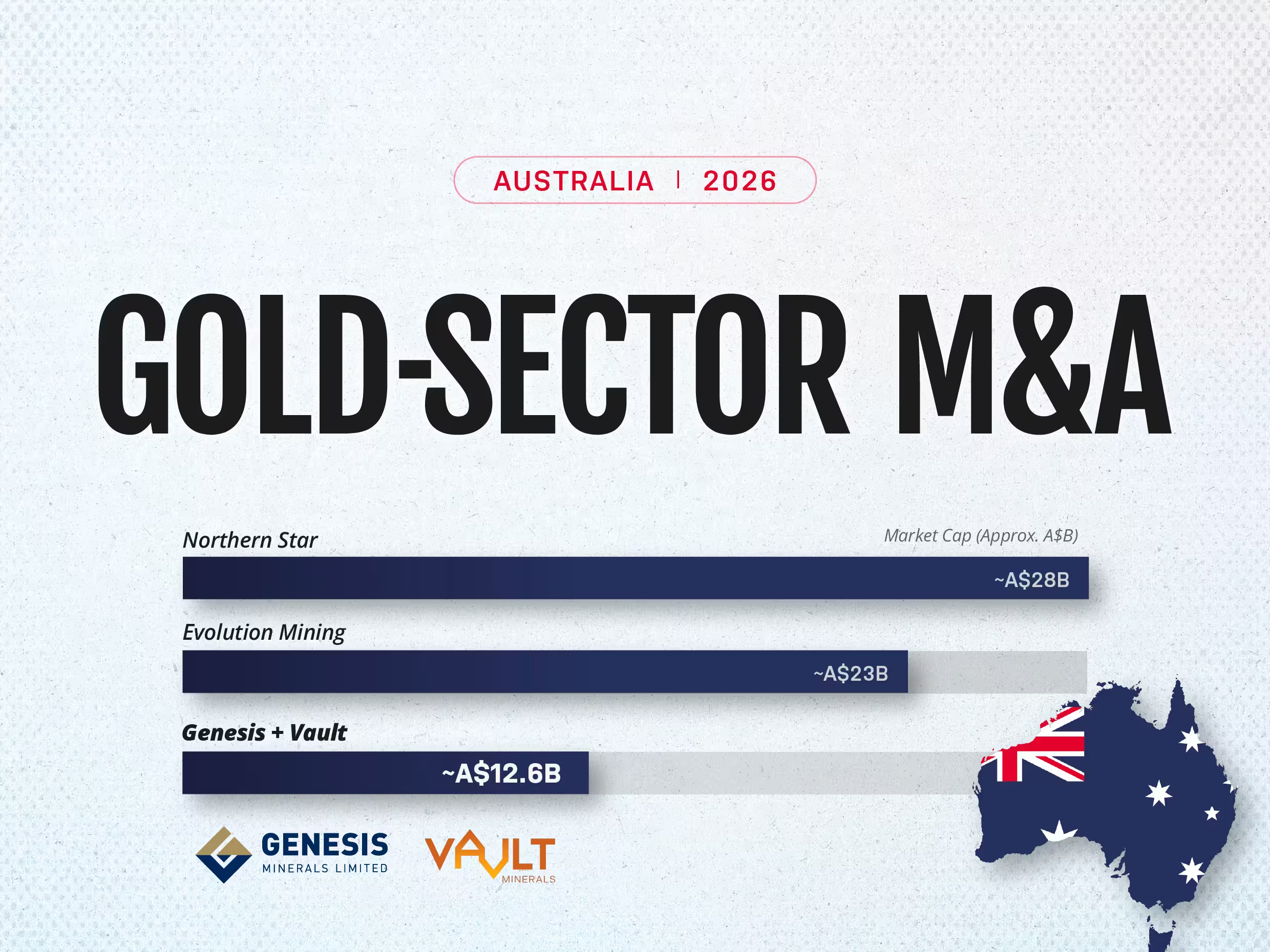
Gold hit an all-time high of about US$5,595 an ounce in January 2026 before settling near US$4,000, still far above the levels of a few years ago. That combination, record prices followed by a stable, still-profitable pullback, has done something a straight rally rarely does: it has opened a merger window.
.webp)
Three Ancient Belts Carry Ghana's Gold, and Investment Keeps Flowing to Them
Three Ancient Belts Carry Ghana's Gold, and Investment Keeps Flowing to Them
In March 2026, one of Ghana's own mining companies said it would invest about $1.2 billion in its operations at the Tarkwa and Damang gold mines. Both sit on the Ashanti belt, one of three narrow bands of ancient rock that carry almost all of Ghana's gold.
Charted: Fifty Years of Gold Production in West Africa
Charted: Fifty Years of Gold Production in West Africa
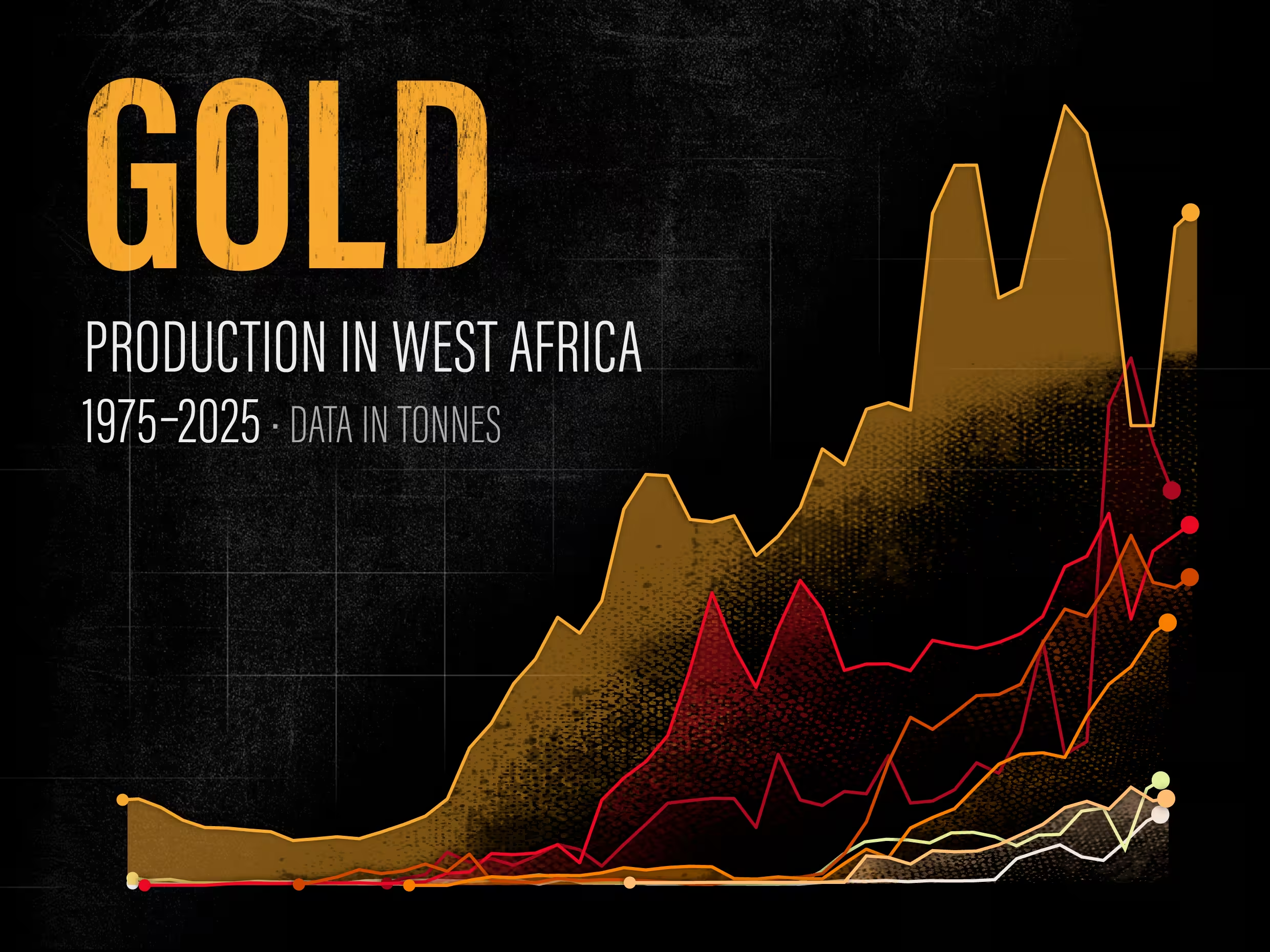
West Africa is in the middle of a gold run. In 2025 Ghana's output climbed more than 23 percent to a record 5.94 million ounces, holding its place as Africa's largest producer and now the sixth-largest in the world, and analysts expect the wider region to rebound about 8 percent in 2026.