Precious Metals
November 21, 2024
3 min
Precious Metals
%20Main.avif)

This graphic, based on data from the Silver Institute's World Silver Survey 2024, illustrates the connection between changes in silver supply, demand, and market prices. Between 2015 and 2024, the global silver market transitioned from balanced periods to pronounced supply deficits, primarily driven by rising industrial demand and stagnating mine production. This shift has significantly influenced silver prices, which have risen alongside deepening deficits.
Silver Market Surpluses and Deficits
From 2015 to 2020, the market experienced small surpluses, such as 55 million ounces in 2016, keeping prices stable at $14–$17 per ounce. However, starting in 2021, the market shifted into a deficit of 95 million ounces, expanding to 264 million ounces by 2022 due to growing demand from electronics, solar energy, and electric vehicles. In 2023, the deficit was 184 million ounces, with a projected 215 million-ounce shortfall in 2024, driven by rising demand and a slight drop in supply.
Price-Deficit Correlation
Between 2015 and 2018, silver prices remained stable, ranging from $14 to $17 per ounce due to market surpluses. Prices began climbing between 2019 and 2020, surpassing $20 per ounce by 2020 as demand increased and supply disruptions emerged. From 2021 to 2022, prices averaged between $22 and $25 per ounce, reflecting growing supply deficits. In 2023, prices stayed high at around $23 per ounce. However, in 2024, prices have surged as high as $34.9 per ounce due to continued deficits.
Industry Demand and Market Outlook
Rising demand from sectors such as solar energy and stagnating mine production have led to growing silver deficits, driving prices higher. This structural imbalance is expected to persist, keeping prices elevated as green technology and industrial needs continue to fuel demand.
Sponsored by:

Outcrop Silver is a leading exploration and development company focused on advancing the high-grade Santa Ana silver project in Colombia. The company leverages a seasoned team with extensive regional experience to expand its mineral resources through strategic exploration. Outcrop Silver is committed to responsible mining and community engagement, prioritizing sustainable development. With a deep understanding of Colombia's mining landscape and a strong track record, the company aims to transform Santa Ana into a significant silver producer, contributing to both local economic growth and industry standards.
Learn more about Outcrop Silver at https://outcropsilver.com/
Eloro Resources Ltd. is an exploration company focused on developing a world class silver and tin project in Bolivia's Potosí Department. Our flagship project, ISKA ISKA , ranks in the top five of global undeveloped resources in scale for both tin and silver. This truly significant grass roots discovery remains open in multiple directions with further potential to both expand and enhance. This world class deposit benefits not only from its proximity to infrastructure, but more importantly, from our connection to Bolivia through our management team and community involvement. Our goal at Eloro is clear - expand resources, attract partnerships, and establish itself as a key player in the mining sector.
Learn more about Eloro Resources at https://elororesources.com/
Source: Silver Institute, World Silver Survey 2024
The information presented here may contain inaccuracies and is subject to rounding. We do not guarantee that all information is complete or correct. We accept no responsibility for any errors, omissions, or outcomes resulting from the use of this information. This is not investment advice.




Explore More
View All

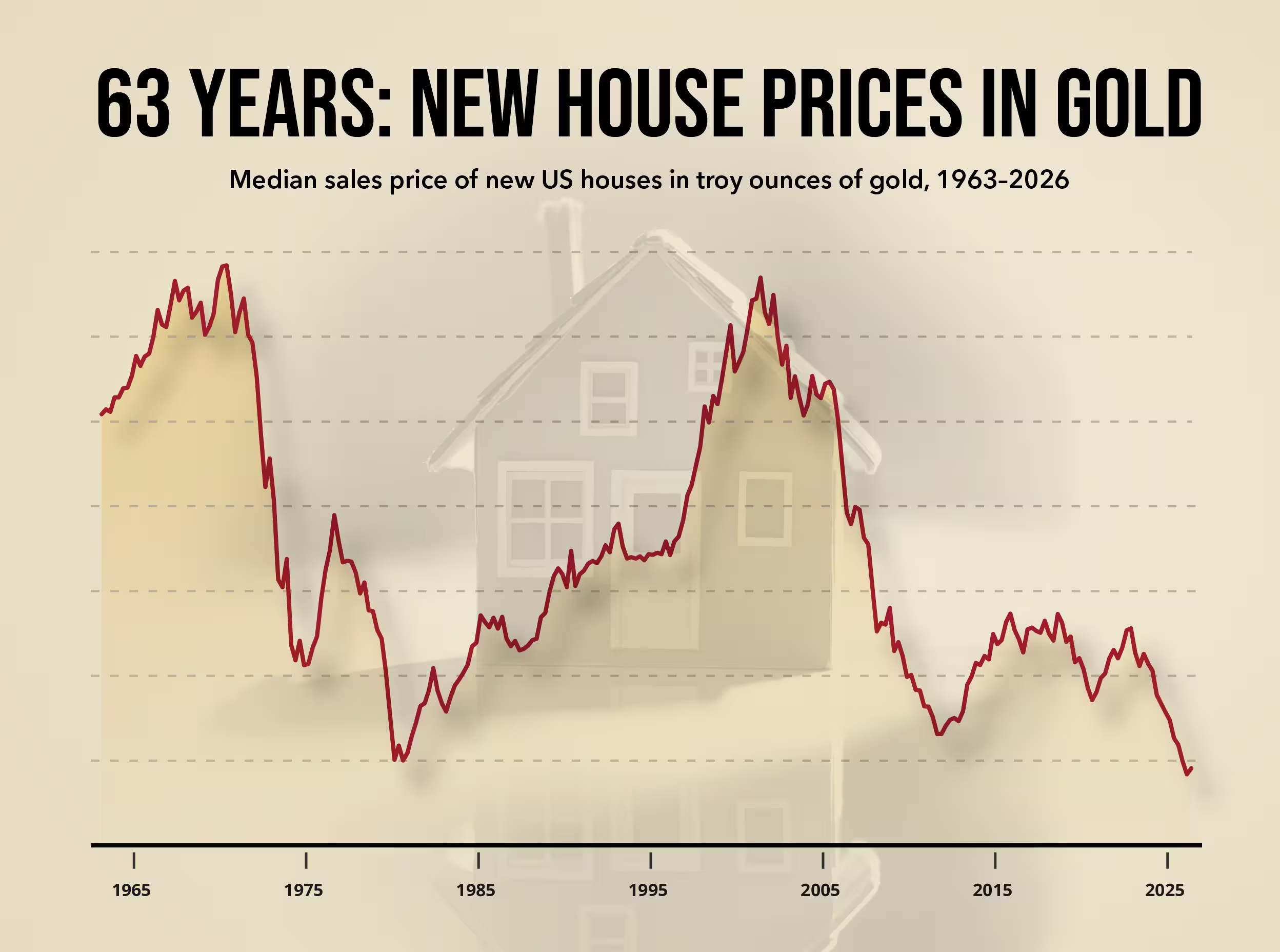
A Median New US Home Now Costs Less Than 100 Ounces of Gold
A Median New US Home Now Costs Less Than 100 Ounces of Gold
The US Census Bureau's July new-home report, released on August 25, put the median price of a newly built house at $393,800. HousingWire noted that was the lowest since July 2021. In dollars, the market has moved within a narrow band: the quarterly median has stayed between $408,500 and $435,400 since 2023.
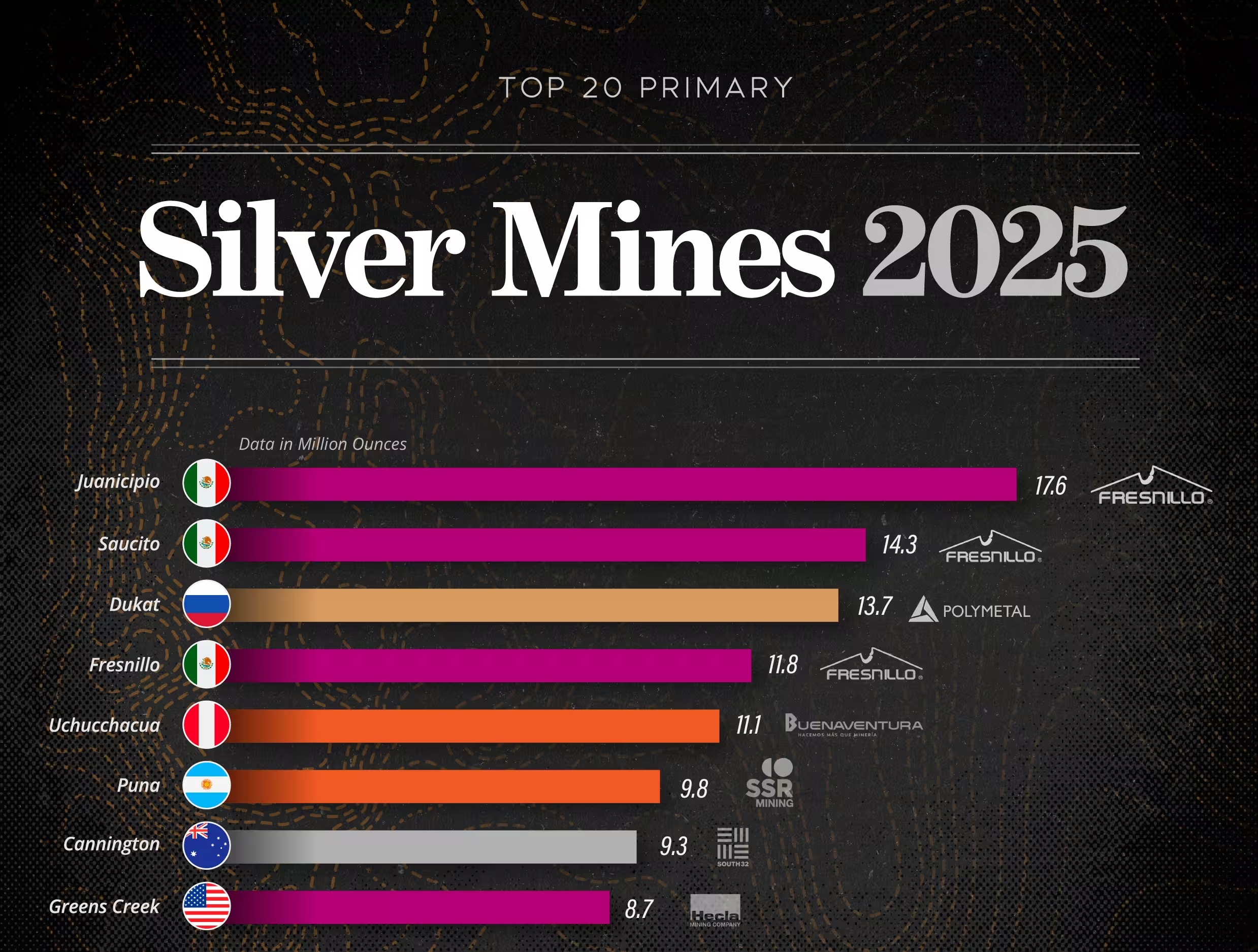
The World's 20 Largest Primary Silver Mines by 2025 Output
The World's 20 Largest Primary Silver Mines by 2025 Output
The single largest source of primary silver is a young mine in the Mexican state of Zacatecas. Juanicipio put out 17.6 million ounces in 2025, more than any other mine that earns its keep from silver itself rather than pulling it out as a byproduct of lead, zinc and gold. Fresnillo operates it and owns 56%; the other 44% changed hands in September 2025, when Pan American Silver completed a US$2.1 billion takeover of MAG Silver.
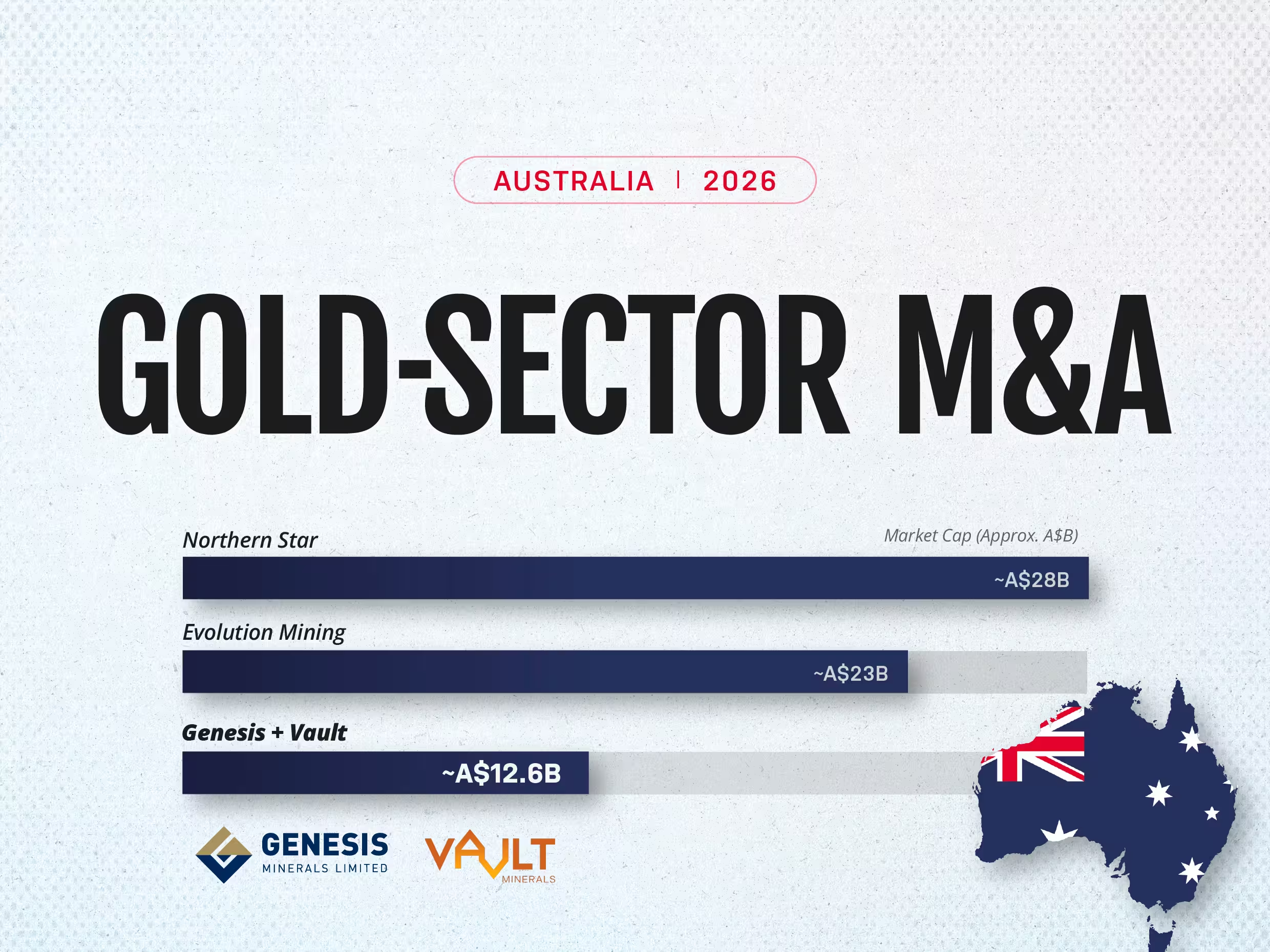
Gold's Record Run Has Set Off a Wave of Mining Mergers
Gold's Record Run Has Set Off a Wave of Mining Mergers
Gold hit an all-time high of about US$5,595 an ounce in January 2026 before settling near US$4,000, still far above the levels of a few years ago. That combination, record prices followed by a stable, still-profitable pullback, has done something a straight rally rarely does: it has opened a merger window.
.webp)
Three Ancient Belts Carry Ghana's Gold, and Investment Keeps Flowing to Them
Three Ancient Belts Carry Ghana's Gold, and Investment Keeps Flowing to Them
In March 2026, one of Ghana's own mining companies said it would invest about $1.2 billion in its operations at the Tarkwa and Damang gold mines. Both sit on the Ashanti belt, one of three narrow bands of ancient rock that carry almost all of Ghana's gold.