Lithium
February 19, 2026
3 min
Lithium

Key takeaways
Key Takeaways
- Chile Holds the Most Lithium: With 9.3 million tons, Chile dominates global reserves through its vast brine pools, though new government policies are reshaping how foreign companies invest there.
- China Dominates Refining, Not Mining: China ranks 4th in reserves but controls 65–70% of global processing, meaning most lithium must still pass through China before becoming a battery.
- The U.S. is Ramping Up: The United States (1.2M tons) is finally moving from exploration to extraction, with major projects like Thacker Pass aiming to reduce reliance on foreign supply chains.
The "Lithium Winter" appears to be breaking.
On February 11, 2026, industry bellwether Albemarle Corporation (NYSE: ALB) signaled that the brutal price correction of 2023–2024 has finally stabilized. After a 90% price collapse forced a global recalibration of supply chains, the market is emerging leaner and more strategic.
While the "white gold rush" of the early 2020s was defined by speculation, 2026 is defined by security of supply. As automakers and data center energy storage providers lock in long-term contracts, the focus has shifted from "who has potential" to "who has the rock."
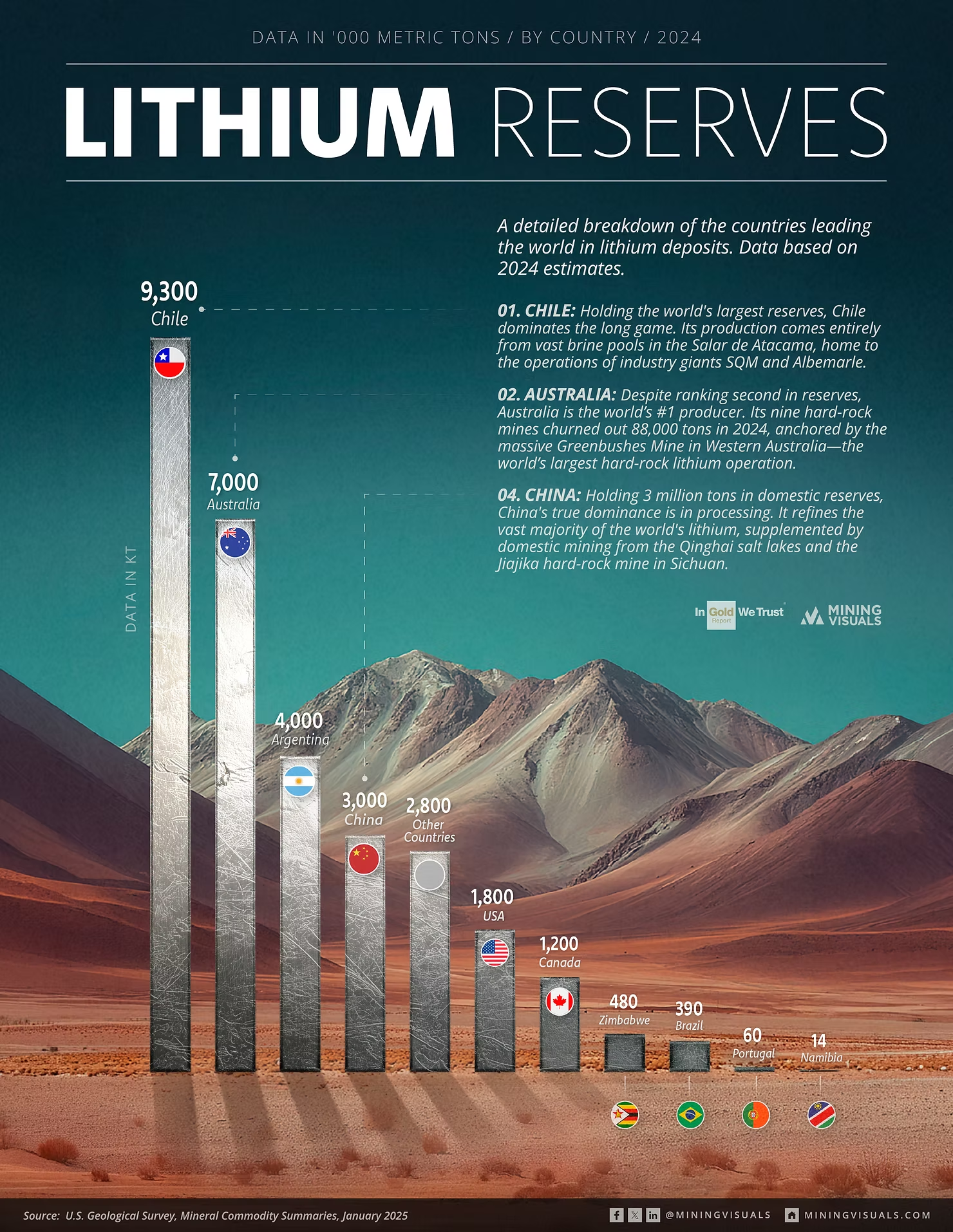
The infographic above visualizes the playing field using the latest data from the U.S. Geological Survey (January 2025), ranking the nations holding the keys to the energy transition.
.avif)
The "Lithium Triangle" Explained
The data reveals a stark geological divide centered on South America. Chile (9.3 million tons) and Argentina (4.0 million tons) form two-thirds of the so-called "Lithium Triangle"—a high-altitude region in the Andes that also includes Bolivia.
This area is famous for its "salars," or salt flats. Unlike traditional mines where rock is crushed, lithium here is pumped from underground reservoirs as a salty brine and left to evaporate in the sun. It is generally cheaper to produce but takes much longer to bring to market.
Chile’s dominance is anchored in the Salar de Atacama, home to industry giants like SQM and Albemarle. However, the landscape is shifting under President Boric’s National Lithium Strategy, which mandates public-private partnerships. While this secures state revenue, it has slowed new exploration. Meanwhile, Australia (7.0 million tons) has taken a different path, focusing on "hard rock" mining. These traditional mines can be built faster than brine ponds, allowing Australia to remain the world's top producer despite having smaller reserves than Chile.
China: The Midstream Monopoly
Looking strictly at the reserve chart, China (3.0 million tons) appears to be a tier-2 player, trailing Argentina. This is a dangerous misconception.
While China controls only about 18% of global raw lithium mining, its dominance lies in what happens after the metal leaves the ground. China processes an estimated 65% of the world’s lithium and manufactures over 75% of global lithium-ion batteries.
This "midstream monopoly" means that even lithium mined in Australia or Africa often travels to China for refining before ending up in a European or American electric vehicle. For Western investors, this disconnect between reserves and refining is the primary driver behind the aggressive push for domestic processing capacity in the US and Canada.
The North American Pivot
The United States appears on the chart with 1.2 million tons of reserves, primarily locked in Nevada’s clay and brine deposits. While this number is small compared to Chile, it represents a massive strategic pivot.
Following the Inflation Reduction Act (IRA) and the 2024–2025 surge in Department of Energy loans, projects in the Thacker Pass and the Salton Sea are attempting to build a "mine-to-battery" supply chain that bypasses the Chinese refining circuit. Canada (1.8 million tons) is following suit, leveraging its hard-rock resources in Quebec and Ontario to feed the growing "Battery Belt" of factories emerging in the American Midwest.
Conclusion
The 2024/2025 data snapshot captures a market in transition. We have moved past the era of easy discovery into the era of strategic extraction.
While Chile and Australia hold the physical advantage today, the geopolitical value of these reserves depends entirely on the ability to refine them. As we move deeper into 2026, the real value for investors won't just be in who holds the reserves, but who can get them out of the ground and into a battery cell without navigating a single choke point.
Disclaimer: The information provided in this article is for educational purposes only and does not constitute financial advice.
Sources:




Explore More
View All

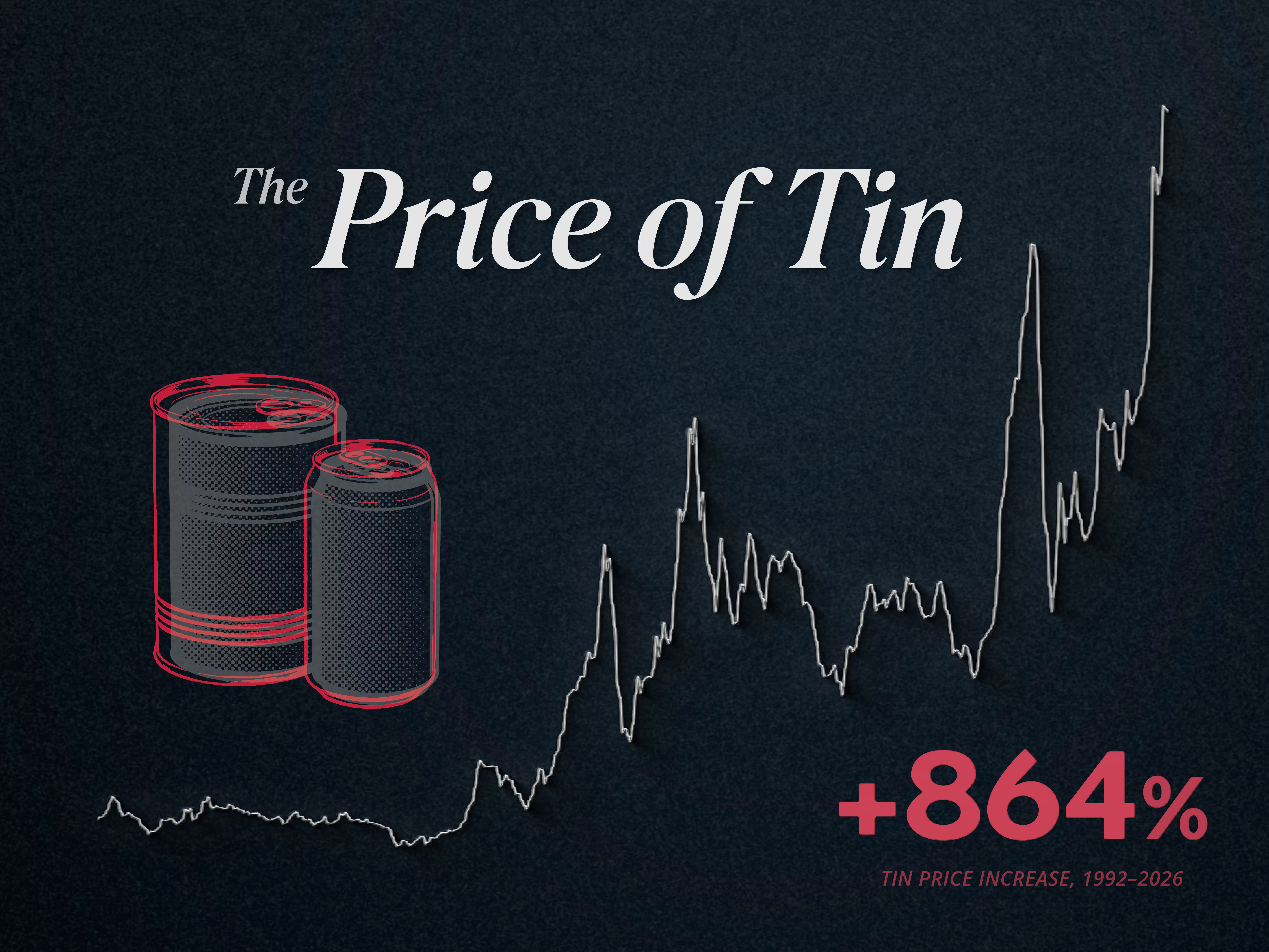
Behind Tin's 2026 Record High
Behind Tin's 2026 Record High
In January 2026, the London Metal Exchange three-month tin contract closed at US$53,462 a tonne, a nominal all-time high that surpassed the March 2022 peak, and it has traded near those levels since. The puzzle is that there is no shortage of tin today: exchange inventories actually rose as the price climbed, rather than being drawn down. Two very different things are holding the price up. The first is short-term: a wave of investor buying, which the industry says drove the January jump. The second is long-term: on current forecasts, the world will not mine enough tin to meet demand later this decade, a gap already projected before the rally began and expected to persist after it fades. The lasting story is that forecast shortfall, not the spike.
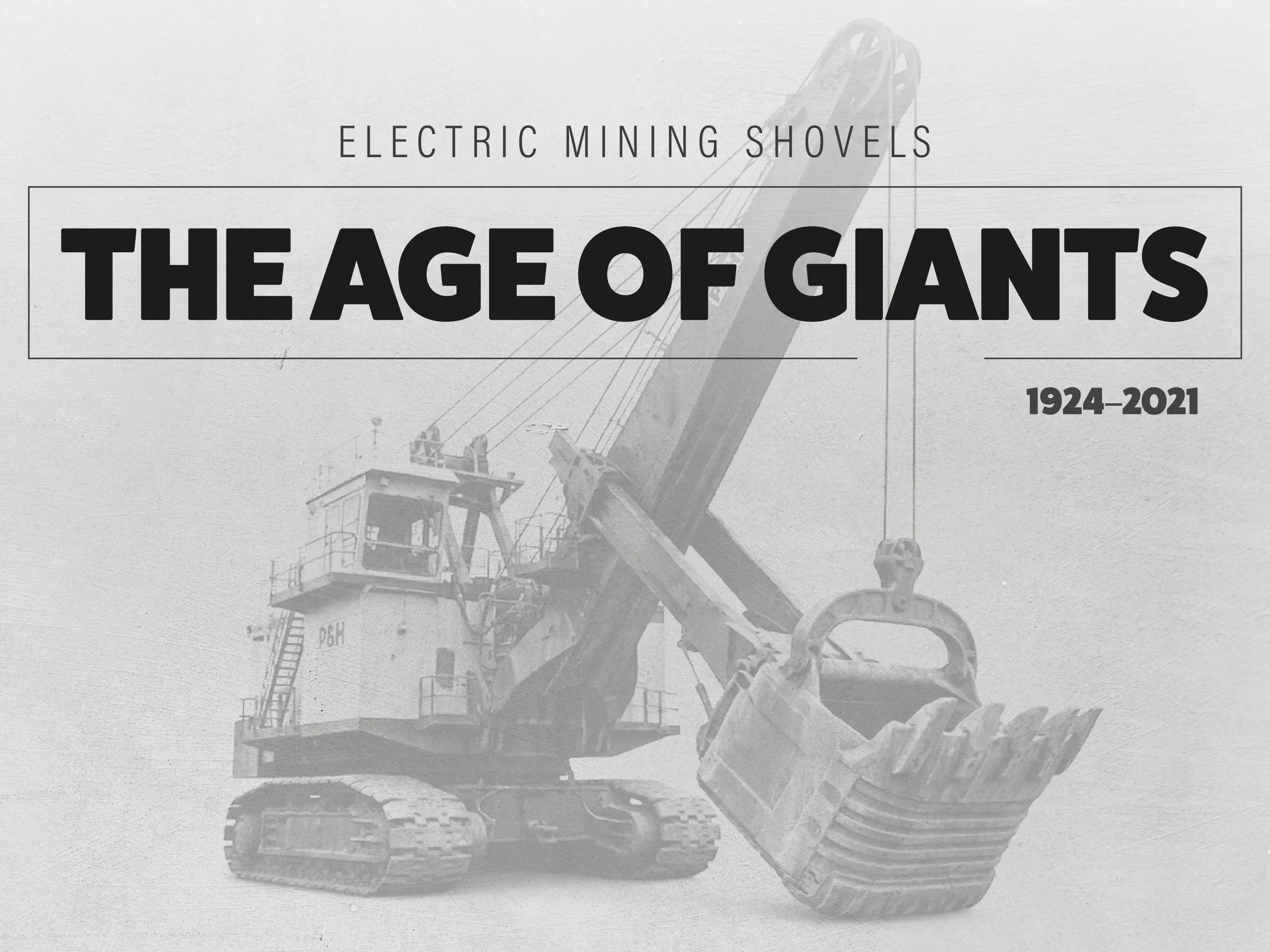
The Age of Giants: How Mining Shovels Grew, Peaked, and Deliberately Shrank
The Age of Giants: How Mining Shovels Grew, Peaked, and Deliberately Shrank
For four decades, the American coalfields hosted an engineering arms race measured in cubic metres of bucket. It ended not with a bigger machine, but with a deliberate retreat. The single largest mobile land machine ever built, the Marion 6360 "Captain," was commissioned in 1965 and destroyed by fire in 1991. No shovel has approached its scale since, and the machines that replaced it were smaller by design.
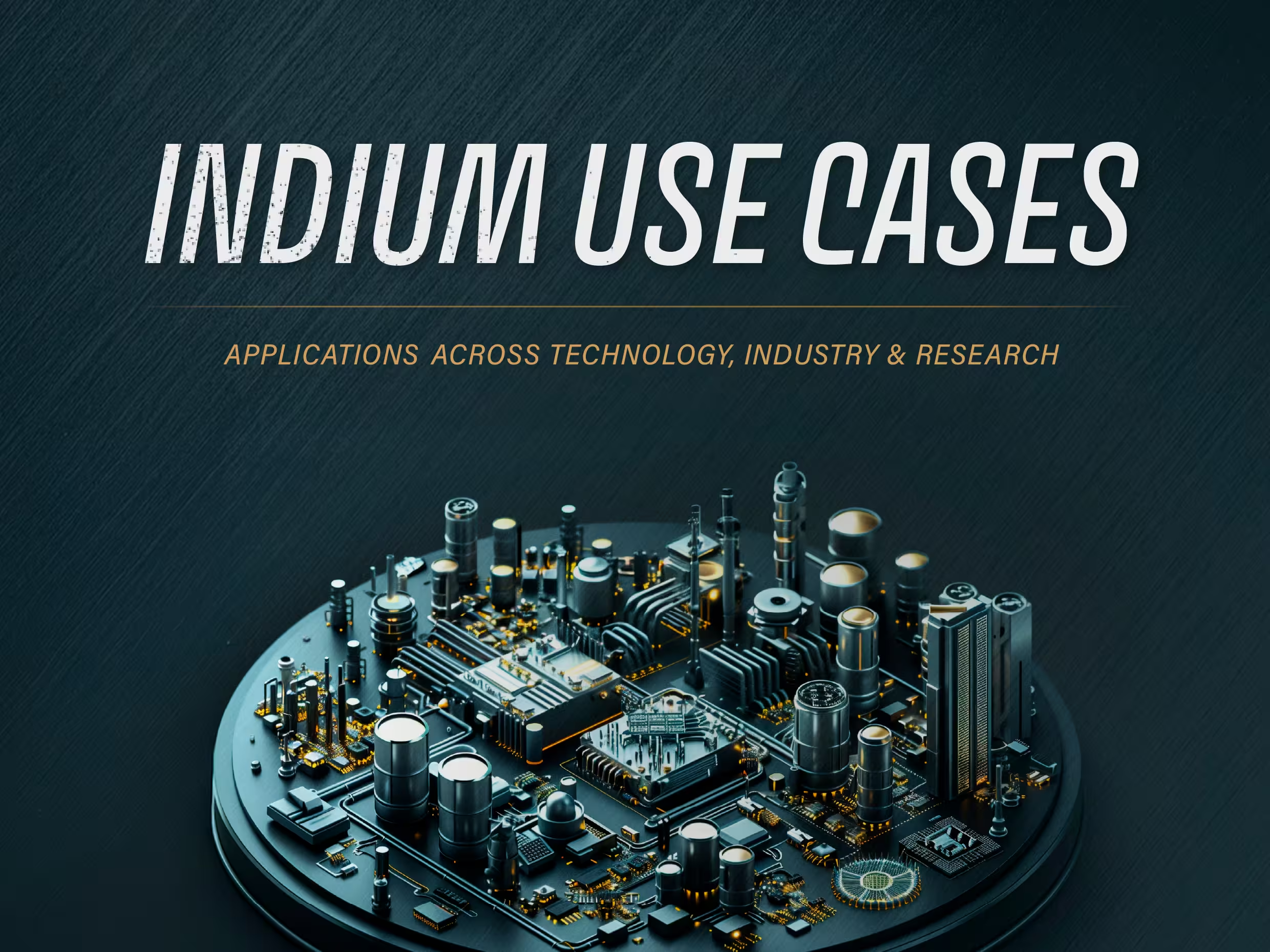
Where Indium Goes: The Metal Behind Screens, Chips, and Solar
Where Indium Goes: The Metal Behind Screens, Chips, and Solar
Indium is one of the metals you never see but use constantly. As indium tin oxide, it forms the transparent conductive coating on nearly every LCD and touchscreen, and that single application still accounts for most global consumption, according to the USGS. But the metal's role is broadening. Its compounds now sit inside the high-speed optical chips that route data through AI data centers, a shift that has turned a quiet, display-driven material into one buyers watch closely, especially as China refines about 70% of it and has begun tightening the flow.
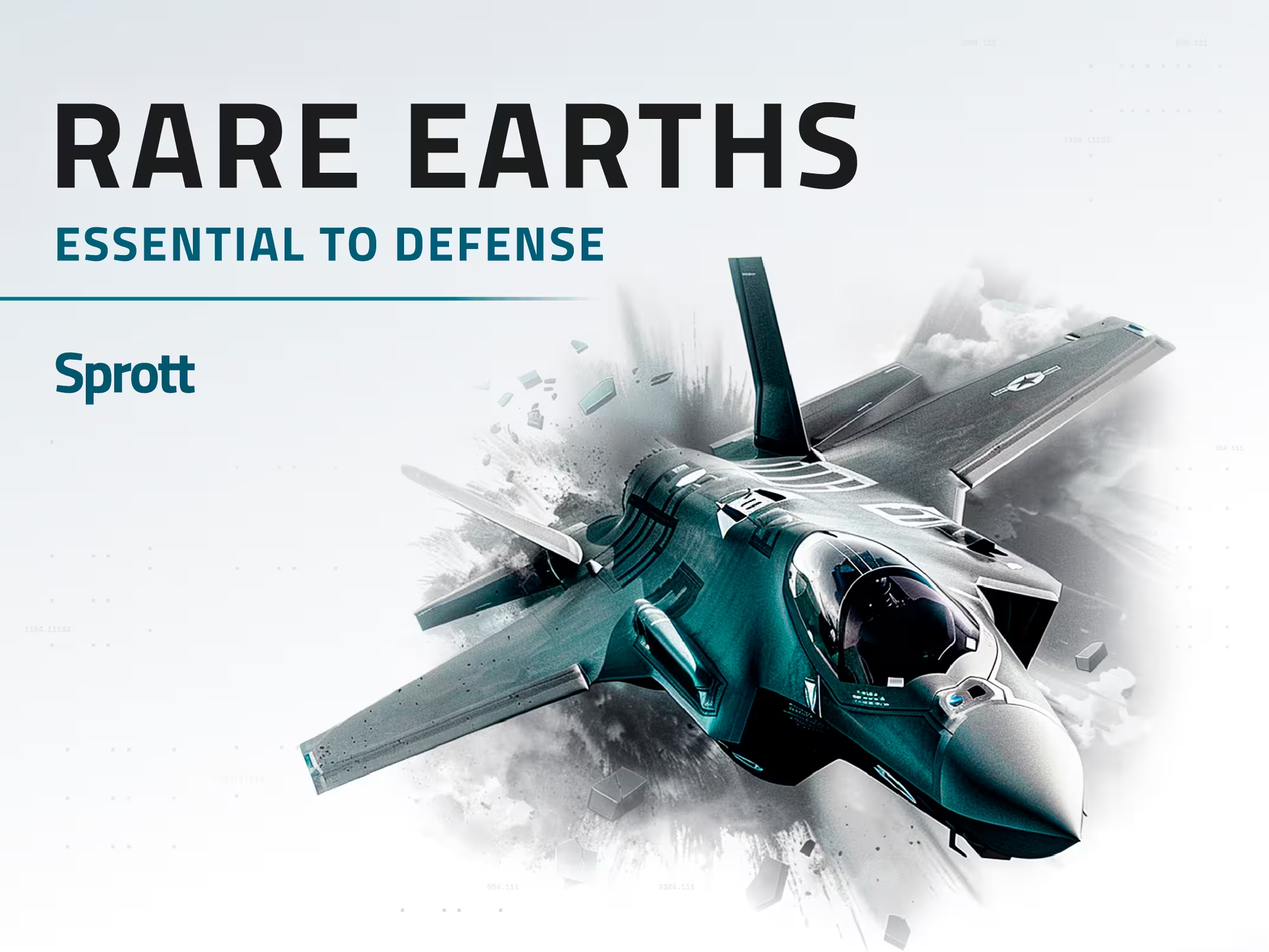
Rare Earths and the F-35: The Defense Supply-Chain Bottleneck Behind America's Most Advanced Fighter Jet
Rare Earths and the F-35: The Defense Supply-Chain Bottleneck Behind America's Most Advanced Fighter Jet
In September 2022, the Pentagon quietly stopped taking delivery of new F-35 fighter jets. The reason was not a design flaw or a manufacturing defect. A single small magnet inside the plane's engine had been made using an alloy from China, which is banned under U.S. defense procurement law.