Precious Metals
February 11, 2025
3 min
Precious Metals
%20Main.avif)

From electronics to jewelry, silver plays a crucial role in modern life. But where does it all come from? An analysis of silver production between 2014 and 2023 reveals significant changes across continents, particularly in South America, Europe, and Oceania. In this article, we take a closer look at these changes.
Central and South America: A Significant Dip
Silver production in Central and South America fell significantly from 285.3 million ounces in 2014 to 240.6 million ounces in 2023. This drop was largely due to the 2017 shutdown of Guatemala's Escobal mine, which had produced roughly 27 million ounces annually. Adding to the region's woes, Peru, a traditional silver powerhouse, saw its own production plummet by 15% during the same period, falling from 126 million ounces to 107.1 million ounces. Peru's decline stemmed from a combination of factors: aging mines with lower ore grades, inadequate infrastructure, stricter and more expensive environmental regulations, market volatility and reduced investment, and the pandemic's impact, including shutdowns and labor shortages.
Europe: Modest Growth Reflecting Regional Dynamics
European silver production increased due to expanded mining operations, higher base metal output, and strategic policies. Countries like Poland and Sweden saw growth, with KGHM Polska Miedź in Poland remaining a top global silver producer, benefiting from increased copper-silver mining. Since much of Europe’s silver comes as a byproduct of copper, lead, and zinc mining, rising global demand for these metals naturally boosted silver production. Additionally, to reduce reliance on foreign resources, European nations and the EU promoted domestic mining through policies securing critical raw materials.
Africa: Emerging Potential, Measured Growth
Africa's silver production showed a slight upward trend, going from 15.4 million ounces in 2014 to 18.1 million ounces in 2023. It was primarily due to the ramping up of mining operations in certain countries. For instance, in Botswana, the Khoemacau mine reached full production capacity, significantly contributing to the continent's overall output. Despite these developments, Africa's share in global silver production has remained relatively modest. In 2021, the continent accounted for about 1.4% of worldwide silver output.
Oceania: A Significant Reduction Demands Attention
Between 2014 and 2023, Oceania's silver production declined due to several key factors. Australia's output dropped significantly, with a 9.9% decrease in 2022 alone, bringing total regional production down to 41.4 million ounces. Rising production costs, including higher fuel prices and labor shortages, made silver mining less economically viable. Additionally, despite growing global demand, a supply deficit and increased operational expenses discouraged investment in silver mining operations. These challenges combined to drive the overall decline in silver production across Oceania.
Sponsored by:

Outcrop Silver is a leading exploration and development company focused on advancing the high-grade Santa Ana silver project in Colombia. The company leverages a seasoned team with extensive regional experience to expand its mineral resources through strategic exploration. Outcrop Silver is committed to responsible mining and community engagement, prioritizing sustainable development. With a deep understanding of Colombia's mining landscape and a strong track record, the company aims to transform Santa Ana into a significant silver producer, contributing to both local economic growth and industry standards.
Learn more about Outcrop Silver at https://outcropsilver.com/
Eloro Resources Ltd. is an exploration company focused on developing a world class silver and tin project in Bolivia's Potosí Department. Our flagship project, ISKA ISKA , ranks in the top five of global undeveloped resources in scale for both tin and silver. This truly significant grass roots discovery remains open in multiple directions with further potential to both expand and enhance. This world class deposit benefits not only from its proximity to infrastructure, but more importantly, from our connection to Bolivia through our management team and community involvement. Our goal at Eloro is clear - expand resources, attract partnerships, and establish itself as a key player in the mining sector.
Learn more about Eloro Resources at https://elororesources.com/
Source: World Silver Survey 2024
The information presented here may contain inaccuracies and is subject to rounding. We do not guarantee that all information is complete or correct. We accept no responsibility for any errors, omissions, or outcomes resulting from the use of this information. This is not investment advice.




Explore More
View All

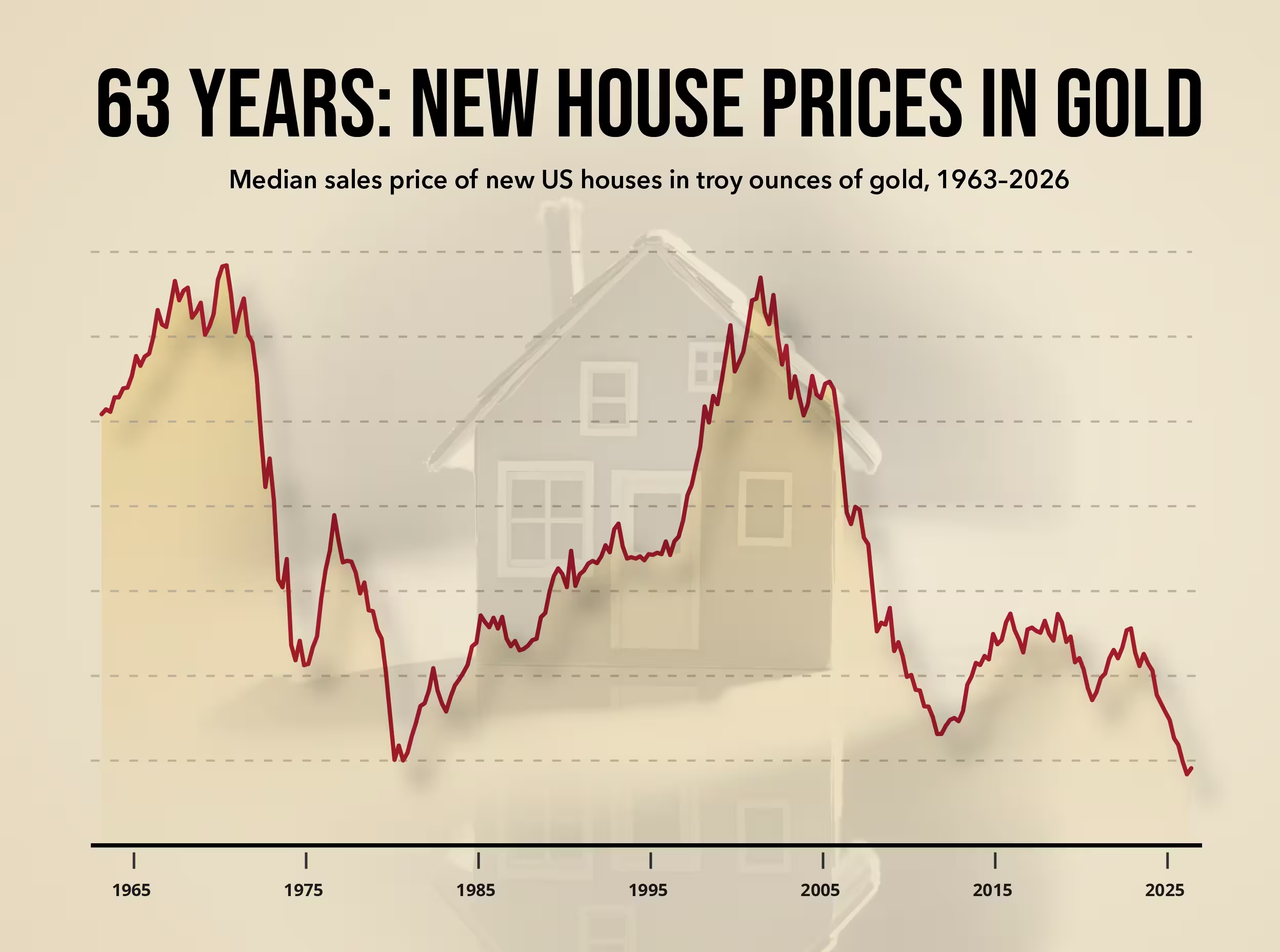
A Median New US Home Now Costs Less Than 100 Ounces of Gold
A Median New US Home Now Costs Less Than 100 Ounces of Gold
The US Census Bureau's July new-home report, released on August 25, put the median price of a newly built house at $393,800. HousingWire noted that was the lowest since July 2021. In dollars, the market has moved within a narrow band: the quarterly median has stayed between $408,500 and $435,400 since 2023.
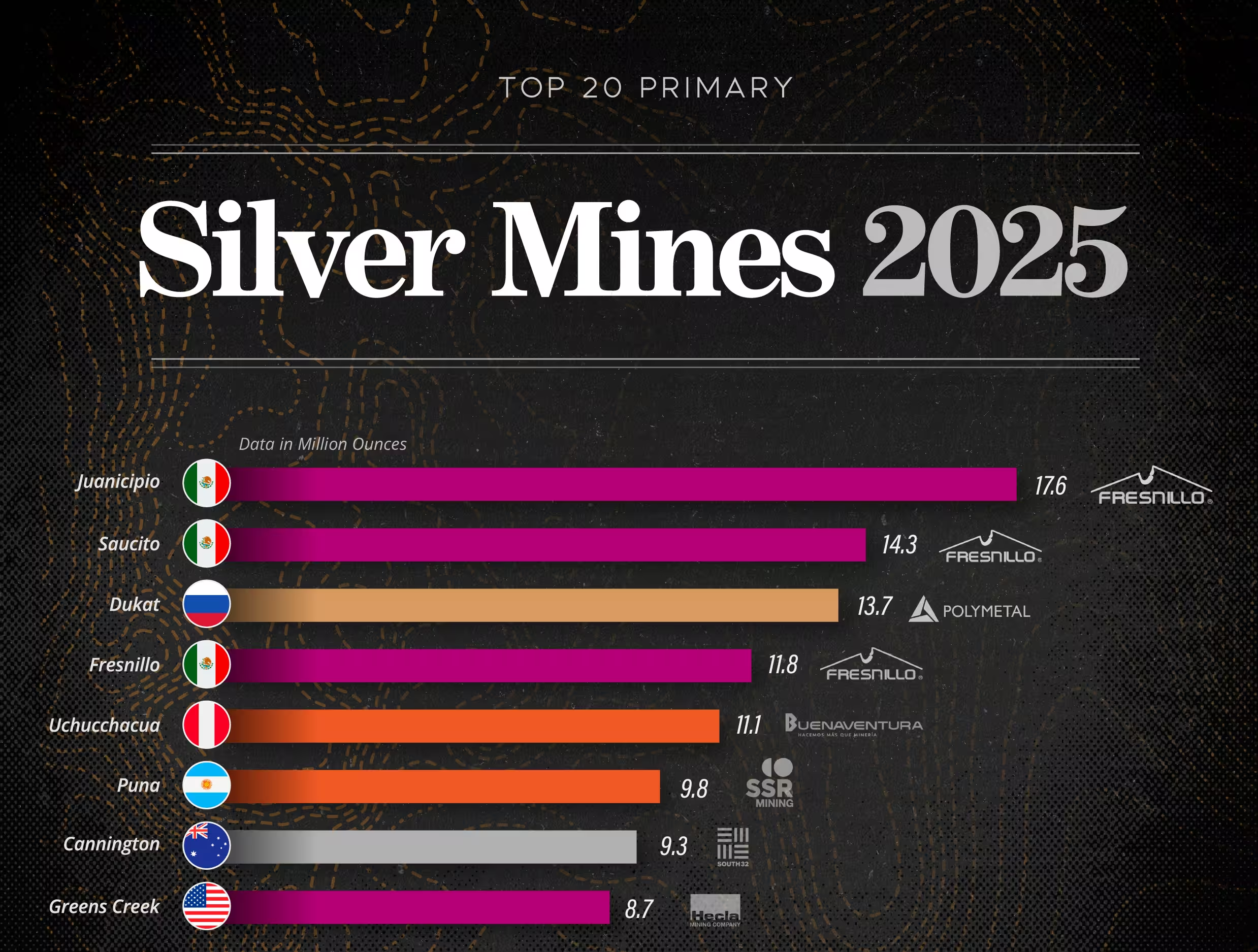
The World's 20 Largest Primary Silver Mines by 2025 Output
The World's 20 Largest Primary Silver Mines by 2025 Output
The single largest source of primary silver is a young mine in the Mexican state of Zacatecas. Juanicipio put out 17.6 million ounces in 2025, more than any other mine that earns its keep from silver itself rather than pulling it out as a byproduct of lead, zinc and gold. Fresnillo operates it and owns 56%; the other 44% changed hands in September 2025, when Pan American Silver completed a US$2.1 billion takeover of MAG Silver.
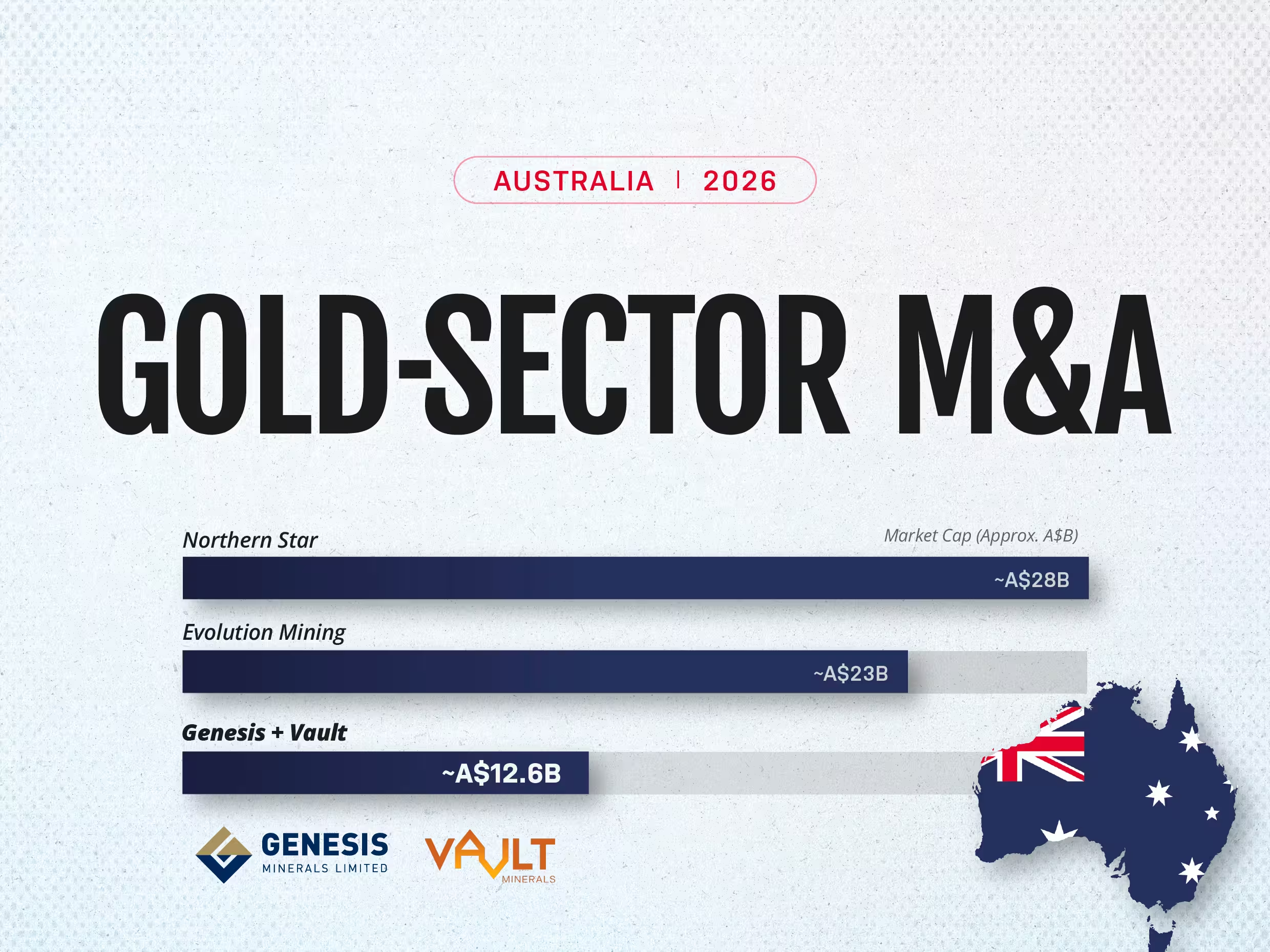
Gold's Record Run Has Set Off a Wave of Mining Mergers
Gold's Record Run Has Set Off a Wave of Mining Mergers
Gold hit an all-time high of about US$5,595 an ounce in January 2026 before settling near US$4,000, still far above the levels of a few years ago. That combination, record prices followed by a stable, still-profitable pullback, has done something a straight rally rarely does: it has opened a merger window.
.webp)
Three Ancient Belts Carry Ghana's Gold, and Investment Keeps Flowing to Them
Three Ancient Belts Carry Ghana's Gold, and Investment Keeps Flowing to Them
In March 2026, one of Ghana's own mining companies said it would invest about $1.2 billion in its operations at the Tarkwa and Damang gold mines. Both sit on the Ashanti belt, one of three narrow bands of ancient rock that carry almost all of Ghana's gold.