Fluorspar
August 25, 2025
2 min
Fluorspar


As the world accelerates towards an electric future, lithium has been crowned the king of the battery boom. It’s the element that gives the ubiquitous lithium-ion battery its name, and its supply chain is under constant scrutiny. But what if the key to unlocking the electric vehicle (EV) revolution lies not just in lithium, but in another, lesser-known mineral?
Enter fluorspar. While it may not have the same name recognition, this critical mineral is an indispensable ingredient in the production of every lithium-ion battery, and the EV industry’s demand for it is staggering. In fact, for every kilogram of lithium in a typical EV battery, the production process requires nearly ten kilograms of fluorspar. This reality places a massive importance on securing a stable and sustainable fluorspar supply chain to power the clean energy transition.
What is Fluorspar, and Why is it Essential?
Fluorspar, also known as fluorite, is the mineral form of calcium fluoride (CaF2). Composed of 51.1% calcium and 48.9% fluorine by weight, it is the world's primary source of fluorine for the chemical industry . This highly reactive element is the key to its importance in battery technology.
Fluorine is not just an additive; it's a fundamental component that is widely used and consumed during the production of a modern lithium-ion battery cell—impacting the anode, and the electrolyte (source).
- Electrolyte: The electrolyte is the medium that allows lithium ions to flow between the anode and cathode. The most common electrolyte salt used is Lithium Hexafluorophosphate (LiPF6). A 100 kWh battery requires approximately 17.5 to 24 kg of this salt, which contains 13.1 to 18.1 kg of fluorine.
- Binder: To create the electrodes, powdered active ingredients are glued together and to the current collectors using a binder. This crucial role is filled by fluorinated polymers like Polyvinylidene Fluoride (PVDF). In a 100 kWh battery, approximately 6 to 8 kg of PVDF binder is used, containing 3.5 to 4.75 kg of fluorine.
- Anode: The graphite used in the anode must be incredibly pure. To achieve this, raw graphite is refined using hydrofluoric acid (HF), which is produced from fluorspar. The refining process for the anode in a 100 kWh battery consumes a representative range of 7.5 to 15 kg of HF, which contains 7 to 14 kg of fluorine.
The Numbers: Quantifying the Need for Fluorspar
The amount of fluorspar required for a single EV is striking. Let’s consider a typical 100-kilowatt-hour (kWh) battery pack, similar to those found in many long-range EVs (source):
- Total Fluorine Demand: Across the entire production process—from refining raw materials to the components in the final battery—a total of 31.1 to 51.7 kg of fluorine is required.
- A Representative Example: To visualize this, the infographic estimates that producing a 100 kWh battery requires 41.4 kg of fluorine and 11 kg of lithium.
- Fluorspar Equivalent: To source this 41.4 kg of fluorine, a much larger amount of raw mineral must be processed. Factoring in the mineral’s composition, the purity of commercial-grade "acidspar" (~97% CaF2), and the inevitable losses during the complex chemical processing chain, an estimated 109.5 kg of fluorspar is needed for a single 100 kWh battery.
This leads to a simple but powerful rule of thumb for understanding future demand: approximately 1.1 kg of fluorspar is needed for every 1 kWh of battery capacity. As the world builds out terawatt-hours (TWh) of battery capacity, the demand will be in the millions of tonnes.
The Supply Challenge and a Path Forward
The sheer scale of demand highlights a critical challenge: the fluorspar supply chain needs significant investment and expansion to keep pace with the EV transition. As nations work to build resilient, domestic supply chains for critical minerals, developing new sources of fluorspar outside of traditional producers has become a strategic priority.
Sponsored by:

CleanTech Vanadium Mining Corp. is a mineral exploration company advancing a portfolio of critical mineral projects in the United States. Its flagship asset, the Gibellini Project in Nevada, is the first fully permitted primary vanadium mine in the U.S., positioned to become a key domestic supplier for the steel and energy storage industries.
The company also holds the high-grade Campbell-Crotser Fluorspar Project in Kentucky, a material essential for manufacturing lithium-ion batteries, nuclear fuel, and semiconductors. CleanTech's strategy is focused on developing its U.S.-based assets to meet the growing demand for secure, domestic sources of critical minerals.
Learn more at www.cleantechctv.com.
Sources:
- IEA Global EV Outlook 2024
- Bloomberg New Energy Finance (BNEF)
- Benchmark Mineral Intelligence
- Roskill
- USGS
Disclaimer: The information provided in this article and the accompanying infographic is for informational purposes only and should not be considered as financial or investment advice. While MiningVisuals has made every effort to ensure the accuracy and reliability of the information presented, which is based on the sources cited, we do not guarantee its completeness or accuracy.



Explore More
View All

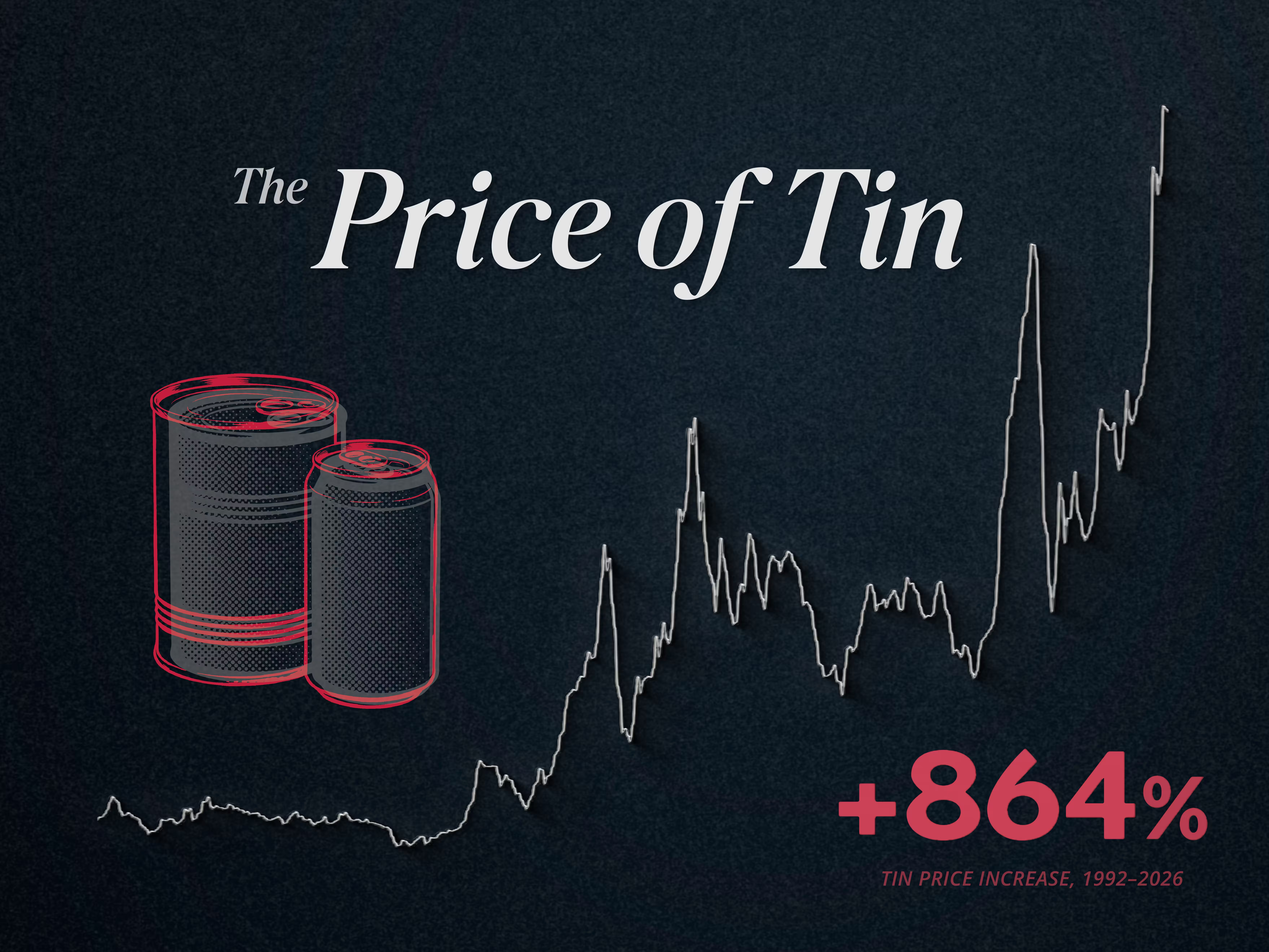
Behind Tin's 2026 Record High
Behind Tin's 2026 Record High
In January 2026, the London Metal Exchange three-month tin contract closed at US$53,462 a tonne, a nominal all-time high that surpassed the March 2022 peak, and it has traded near those levels since. The puzzle is that there is no shortage of tin today: exchange inventories actually rose as the price climbed, rather than being drawn down. Two very different things are holding the price up. The first is short-term: a wave of investor buying, which the industry says drove the January jump. The second is long-term: on current forecasts, the world will not mine enough tin to meet demand later this decade, a gap already projected before the rally began and expected to persist after it fades. The lasting story is that forecast shortfall, not the spike.
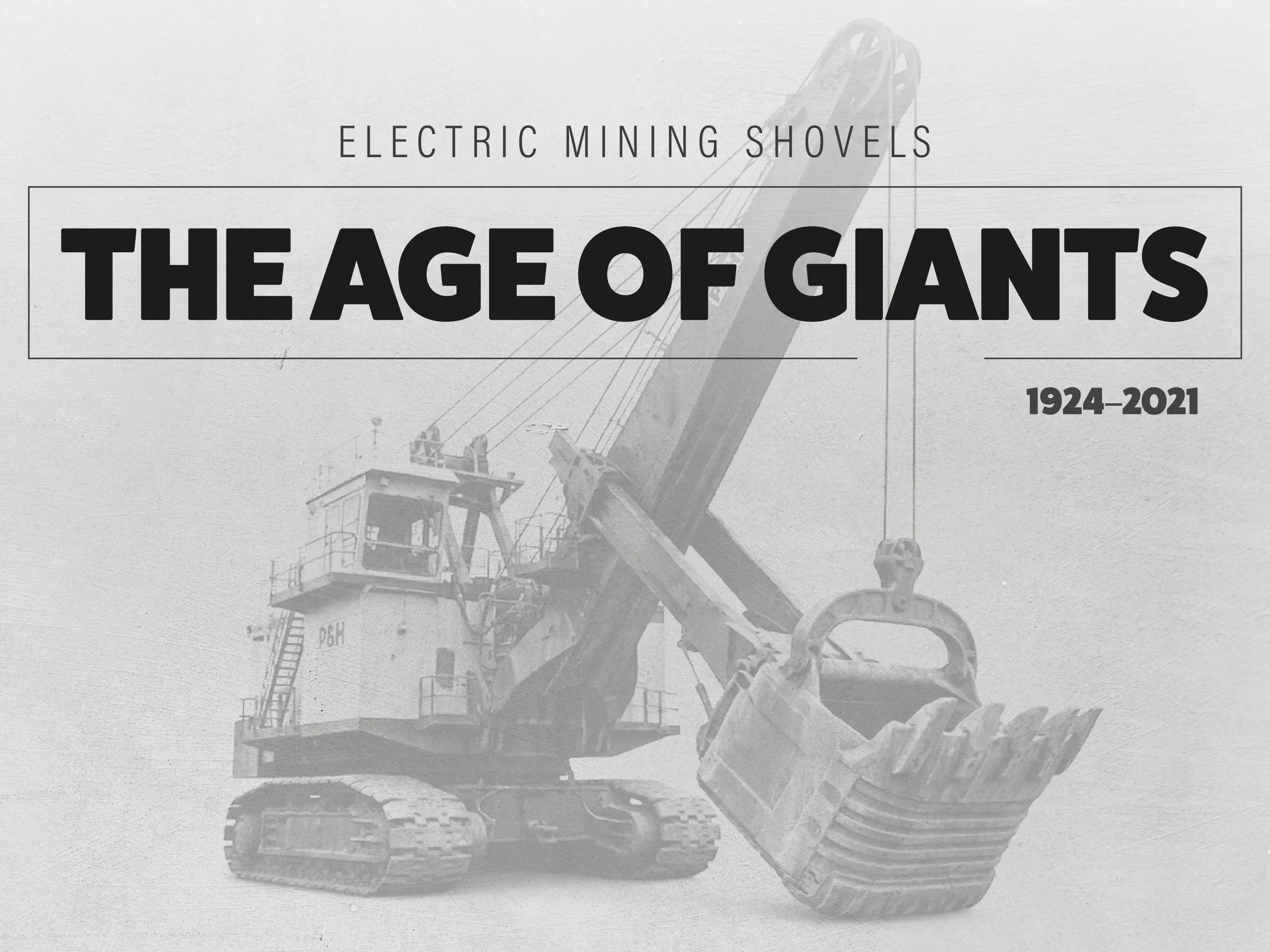
The Age of Giants: How Mining Shovels Grew, Peaked, and Deliberately Shrank
The Age of Giants: How Mining Shovels Grew, Peaked, and Deliberately Shrank
For four decades, the American coalfields hosted an engineering arms race measured in cubic metres of bucket. It ended not with a bigger machine, but with a deliberate retreat. The single largest mobile land machine ever built, the Marion 6360 "Captain," was commissioned in 1965 and destroyed by fire in 1991. No shovel has approached its scale since, and the machines that replaced it were smaller by design.
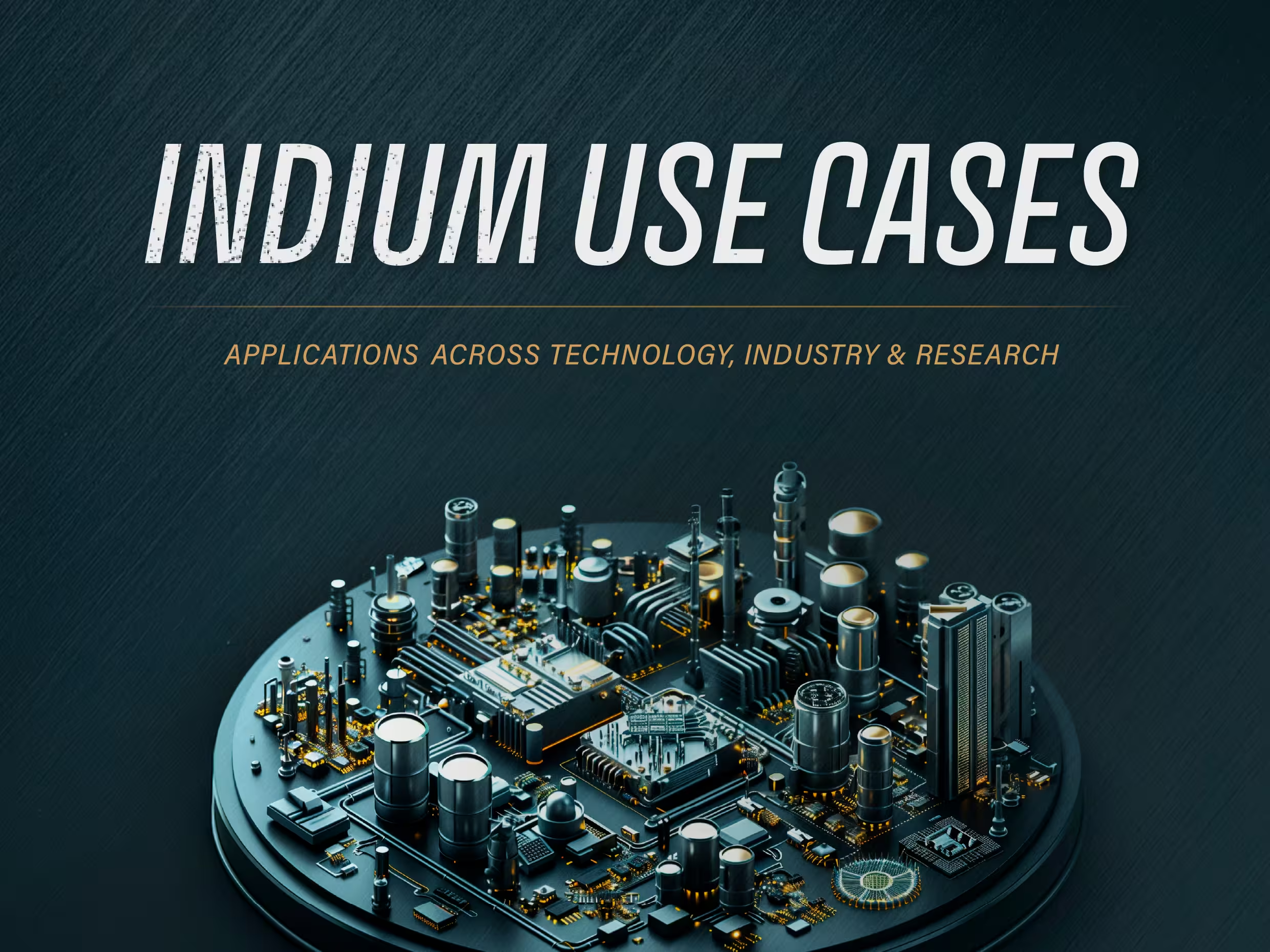
Where Indium Goes: The Metal Behind Screens, Chips, and Solar
Where Indium Goes: The Metal Behind Screens, Chips, and Solar
Indium is one of the metals you never see but use constantly. As indium tin oxide, it forms the transparent conductive coating on nearly every LCD and touchscreen, and that single application still accounts for most global consumption, according to the USGS. But the metal's role is broadening. Its compounds now sit inside the high-speed optical chips that route data through AI data centers, a shift that has turned a quiet, display-driven material into one buyers watch closely, especially as China refines about 70% of it and has begun tightening the flow.
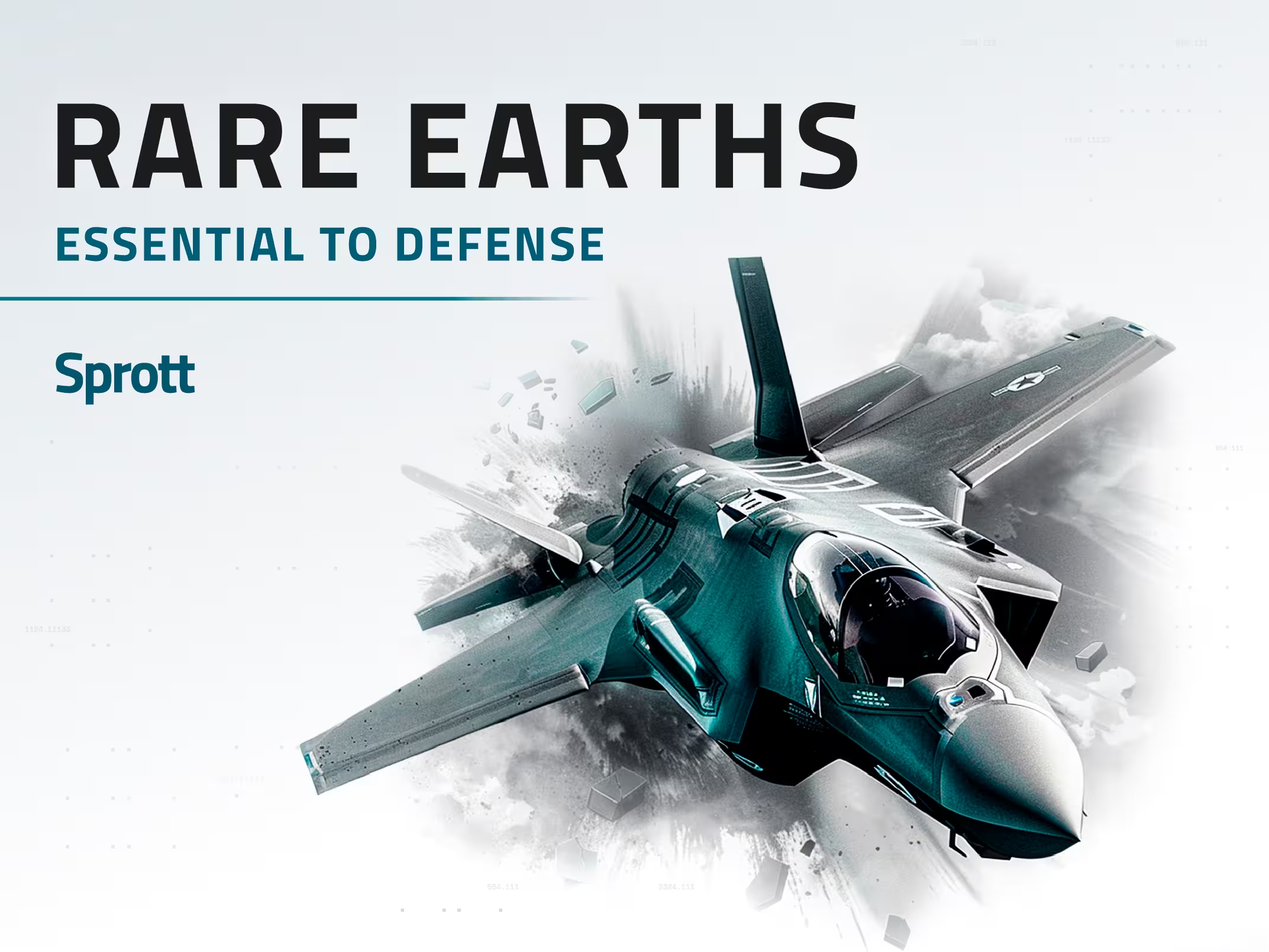
Rare Earths and the F-35: The Defense Supply-Chain Bottleneck Behind America's Most Advanced Fighter Jet
Rare Earths and the F-35: The Defense Supply-Chain Bottleneck Behind America's Most Advanced Fighter Jet
In September 2022, the Pentagon quietly stopped taking delivery of new F-35 fighter jets. The reason was not a design flaw or a manufacturing defect. A single small magnet inside the plane's engine had been made using an alloy from China, which is banned under U.S. defense procurement law.